


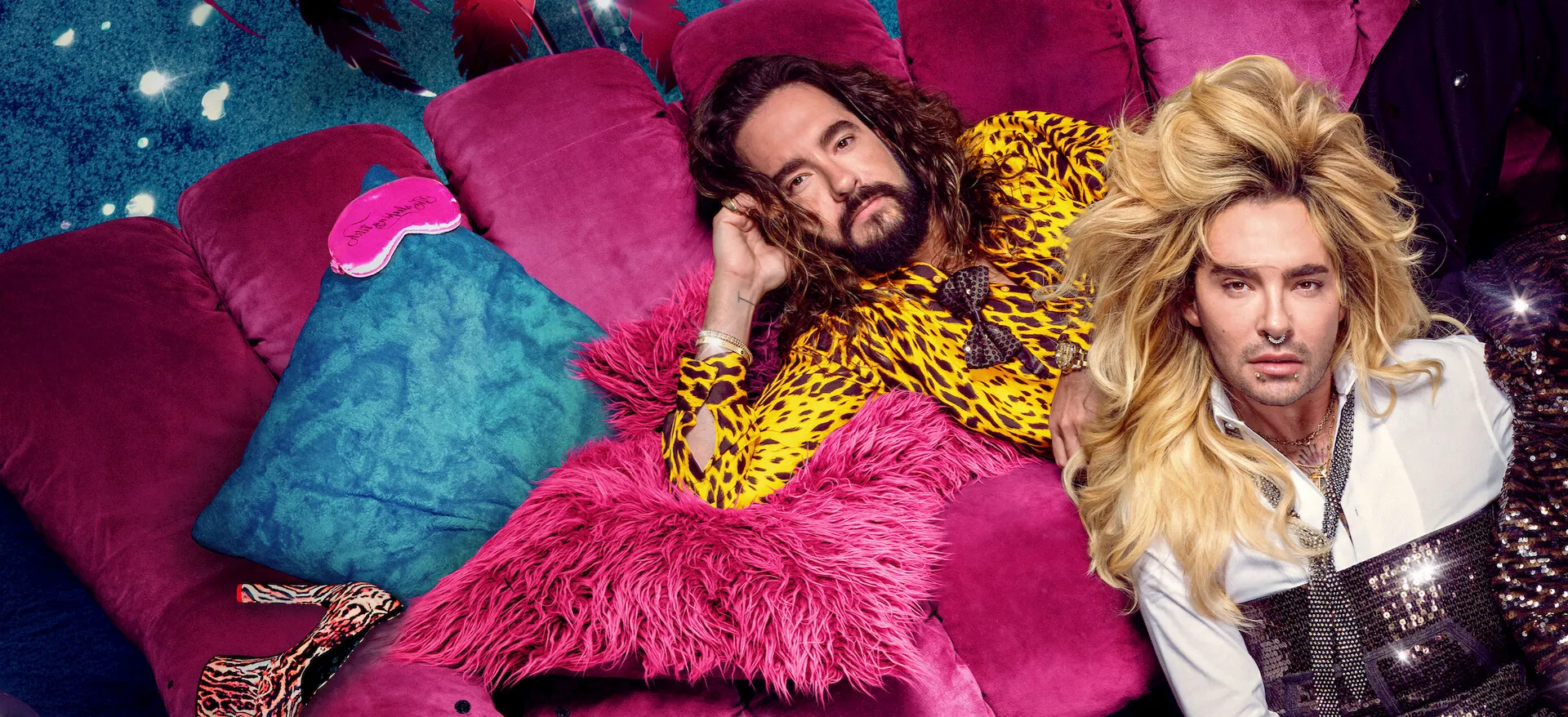
The visual identity of Kaulitz & Kaulitz is defined by two distinct atmospheres. One is the radiant, glass-heavy architecture of Los Angeles, where the California sun casts long shadows over pristine floors. The other is a cozy, low-lit Berlin apartment, where heavy curtains shield the interior from the gray skies of Northern Europe. For two seasons, the show thrived in the space between these two high-end worlds. However, in its third season on Netflix, the series takes a daring detour away from the luxury of the coast and the capital, heading toward the quiet, flat agricultural landscapes of the former East Germany.
A Geographic and Emotional Shift
In this latest installment, Bill Kaulitz and Tom Kaulitz decide to revisit the small town near Magdeburg where their journey began. This move is subtle on a map but monumental on camera. We see two of the most recognizable faces in modern pop culture framed against a backdrop of modest houses and endless fields. While previous seasons focused on the spectacle of their celebrity status, Season 3 seeks its emotional core in the soil of their upbringing rather than the edge of a Hollywood infinity pool.
The Power of the Twin Dynamic
The heart of the series remains the unbreakable bond between the two brothers. Bill Kaulitz, the frontman of the band Tokio Hotel, remains a visual spectacle. He navigates every scene as if it were a high-fashion editorial, using makeup and avant-garde silhouettes to distance himself from any provincial expectations. In contrast, Tom Kaulitz plays the more reserved role, often seen with a guitar or a baseball cap, married to a world-famous supermodel who remains a constant fixture in the press.
When the two sit together, their chemistry is undeniable. They finish each other’s thoughts and playfully challenge each other’s personal legends, utilizing the same comedic timing that made their German podcast a massive success. The production, directed by Annika Blendl and Michael Schmitt, simply captures a rhythm these two have spent a lifetime perfecting.
Visual Storytelling and Professional Narration
The cinematography reflects the brothers’ differing personas. Bill Kaulitz is almost always bathed in magazine-quality light, making even a simple act like pouring a beverage look like a major event. Tom Kaulitz is often filmed in softer shadows, using his guitar as a sort of protective barrier. This visual strategy keeps the show looking expensive, even when the setting shifts to a rural village street where the lighting must adapt to a much more grounded environment.
What sets Kaulitz & Kaulitz apart from typical reality television is the self-awareness of its subjects. These are not unsuspecting amateurs; Bill Kaulitz and Tom Kaulitz are master storytellers of their own lives. They are comfortable with the camera and understand the art of the “confessional” segment. By allowing the brothers to provide their own commentary, the series feels both authentically raw and meticulously curated.
Bridging the Past and the Present
Season 3 introduces a new kind of visual texture. The farmland of Saxony-Anhalt lacks the shimmer of Los Angeles, offering instead an ordinary flatness that contrasts sharply with the twins’ adult lives. By walking through the streets they abandoned as teenagers, the show highlights the massive gap between their origins and their current reality.
There is also a deeper, more domestic narrative at play. The story of two boys from a small town who became global exports before settling in Hollywood is a narrative that resonates deeply with audiences. It touches on themes of migration, success, and what is owed to one’s place of birth. The series avoids lecturing the viewer, instead letting the imagery of the men standing in those childhood fields speak for itself.
The Intimacy Bargain
While Kaulitz & Kaulitz promises a “real” look at famous lives, it delivers a version of intimacy that is clearly shaped by the subjects themselves. The twins are in on the joke, and their willingness to admit to the theatricality of their lives is part of the charm. Season 3 pushes this further; a childhood home is much harder to “glamorize” than a rented mansion. This creates a compelling tension: is the audience actually getting closer to the real Bill and Tom, or are they just witnessing a more beautifully staged version of “the truth”?
As the teenagers who once topped the charts with “Through the Monsoon” have matured into men in their thirties, the show has become a slow-motion document of the effects of long-term fame. In the lineage of The Osbournes or Keeping Up with the Kardashians, this series stands out because its leads are genuinely witty and deeply connected. Their affection for one another isn’t just for the cameras; it is the foundation of the show.
A Global Reality Success
The fact that a non-English language reality show has reached its third season on a global platform like Netflix is a testament to the magnetism of its stars. Produced by Constantin Entertainment, Season 3 of Kaulitz & Kaulitz (available starting July 23) proves that North American audiences and beyond are captivated by the brothers’ unique brand of honesty. Whether this homecoming actually bridges the gap to their past or simply highlights how far they have traveled, it makes for undeniably great television.