

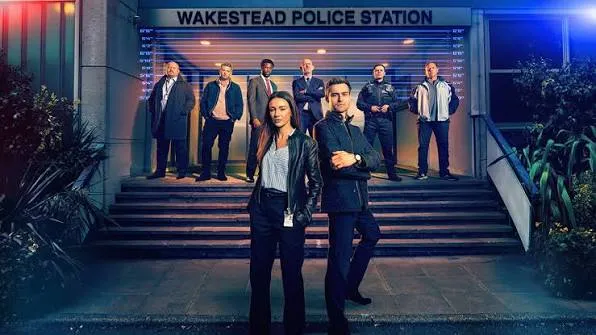
ITV has officially disclosed the launch date for its upcoming hard‑hitting series The Blame, starring Michelle Keegan. The network revealed the information via an Instagram post that teases a story steeped in murder, misogyny, and institutional deceit. The series will debut on ITV and ITVX on Sunday 20 September, offering viewers a fresh, gritty addition to the channel’s drama roster.
Plot Overview
When 16‑year‑old Sophie Madsen is discovered dead, a seemingly straightforward investigation quickly spirals into a labyrinth of concealed truths. The narrative follows Detective Chief Inspector Emma Crane, portrayed by Keegan, as she confronts not only the homicide but also the corrosive politics within her own department. The Instagram caption summed up the premise:
“When 16‑year‑old Sophie Madsen is found dead, the search for answers uncovers something much bigger. Lies. Misogyny. Institutional cover‑ups. How far does it go?”
The series promises to explore how systemic bias and hidden agendas can shape the pursuit of justice.
Cast and Characters
The Blame assembles a robust ensemble of talent from across British and international television:
- Michelle Keegan – Detective Chief Inspector Emma Crane
- Douglas Booth – (known for The Sandman)
- Ian Hart – (known for Mr Bates vs The Post Office)
- Nathan Mensah
- Nigel Boyle – (known for Peaky Blinders)
- Joe Armstrong – (known for Black Mirror)
- Matilda Freeman – (known for How to Get to Heaven from Belfast)
- Gavin Spokes – (known for House of the Dragon)
- Josh Bolt – (known for Masters of the Air)
- Ceallach Spellman – (known for Cheaters)
Each actor brings a distinct pedigree, enhancing the series’ credibility and appeal to a wide audience.
Keegan’s Connection to the Role
In a recent interview with Radio Times, Keegan explained why the character of Emma resonates so strongly with her. She said, “There have been countless moments in my life where something unsettling happens, and you either laugh it off or push it under the rug, thinking it doesn’t matter. In reality, it does. No one calls you out, but you have to navigate it because you’re a woman. I’ve lived those experiences, so portraying a drama that shines a light on this reality feels powerful.” Her personal insight adds depth to the portrayal of a detective battling both external crime and internal sexism.
Production Details
The series is produced by ITV Studios in collaboration with several seasoned writers and directors known for delivering taut, suspenseful storytelling. Filming took place across several UK locations, providing an authentic backdrop that complements the series’ gritty tone. The production team has emphasized their commitment to portraying institutional failings with nuance, aiming to spark conversation beyond the screen.
Release Strategy and Viewer Access
The Blame will be broadcast weekly on ITV, with each episode simultaneously available on the streaming platform ITVX. This dual‑release model ensures that traditional TV audiences and digital‑first viewers can both engage with the series from the outset. The Sunday 20 September slot positions the show as a flagship drama for the autumn schedule, potentially drawing strong ratings and social media buzz.
Anticipated Reception
Early reactions from critics and fans have been positive, citing Keegan’s return to a lead dramatic role as a major draw. The ensemble cast, combined with the series’ timely themes of gender bias and systemic cover‑ups, suggests The Blame could become a cultural talking point. Industry analysts predict that the show will perform well in both live viewership and on‑demand streams, bolstering ITV’s competitive edge in the crowded crime‑drama market.
Challenging Law Enforcement and Society
ITV’s announcement of The Blame marks a significant addition to the network’s drama slate. With Michelle Keegan at the helm, a compelling storyline that tackles deep‑seated societal issues, and a stellar supporting cast, the series is poised to capture audience attention from its September debut. Viewers can look forward to a series that not only entertains but also challenges perceptions of power, gender, and accountability within law enforcement.