

Prime Video’s latest original, Drawn Together, arrives as a glossy blend of romantic drama and light‑thriller tinged with the allure of a forbidden liaison. Directed by Óscar Pedraza and penned by Sofía Cuenca and Mercedes Ron, the film adapts Ron’s novel “Marfil”—the opening entry of the Enfrentados duology. Starring Ester Expósito as the privileged yet conflicted Marfil Cortés and Hugo Diego García as her steadfast bodyguard Sebastián Moore, the film promises chemistry‑filled tension while hinting at a deeper mystery surrounding Marfil’s abduction. In this review we unpack how the movie balances its romantic core with its suspense ambitions, and whether the performances elevate a familiar premise.
Synopsis
After a harrowing kidnapping in New York City, wealthy Marfil Cortés returns to her homeland, where her overprotective father hires Sebastián Moore to guard her constantly. Forced into close proximity, Marfil initially resents the ever‑present protector, viewing him as a symbol of the control she desperately wishes to escape. As days turn into weeks, the initial hostility softens, revealing a growing attraction that challenges both characters’ preconceptions. Meanwhile, lingering questions about who ordered the abduction and why remain simmering beneath the surface, setting the stage for a romance that constantly brushes against danger.
Performances
Ester Expósito delivers a layered portrayal of Marfil, capturing the heroine’s fierce independence alongside a palpable vulnerability that makes her rebellion feel genuine rather than merely petulant. Her ability to shift from defiant spikes of anger to quiet moments of fear adds depth, allowing the audience to empathize with her struggle for autonomy even when the script veers into melodrama.
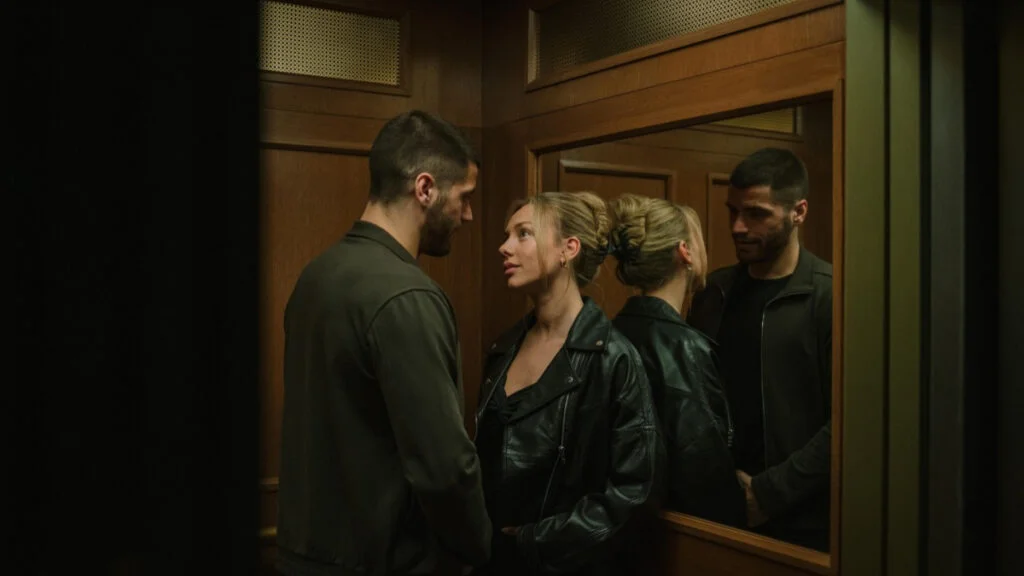
Hugo Diego García, tasked with embodying the stoic bodyguard, succeeds in revealing layers beneath Sebastián’s polished exterior. His subtle shifts—softened glances, hesitant touches—signal a gradual thaw without turning him into a caricature. The true standout, however, is the undeniable chemistry between Expósito and García; their banter, charged silences, and uncomfortable closeness generate more genuine tension than any plot‑driven threat, making their evolving bond the film’s strongest asset.
Behind the Lens
Pedraza’s direction leans heavily on visual polish: sleek cinematography highlights the contrast between Marfil’s opulent lifestyle and the gritty undercurrents of her predicament. The production design effectively uses luxurious interiors and sterile security environments to reinforce the theme of confinement versus freedom. While the screenplay, crafted by Cuenca and Ron, lays a solid groundwork for a taboo romance, it occasionally leans on genre conventions—forced proximity, hidden family secrets, a brooding protector—without fully exploiting the thriller potential introduced by the kidnapping premise.
The score swells during romantic interludes but recedes during suspenseful beats, underscoring the film’s primary focus on affection over peril. Editing maintains a brisk pace during the love‑story sequences, yet the investigative threads feel underdeveloped, leaving the danger feeling more like a backdrop than a driving force.
Final Verdict
Drawn Together succeeds as a heartfelt romance, buoyed by two lead performances that breathe authenticity into a familiar setup. Ester Expósito and Hugo Diego García forge a connection that feels both electric and emotionally resonant, giving the film its genuine spark. However, the suspense element never reaches the intensity needed to complement the love story; the abduction and its aftermath serve largely as a catalyst for the protagonists’ proximity rather than a compelling mystery in their own right. Viewers seeking a passionate love affair with a hint of danger will find satisfaction, whereas those hoping for a tightly wound thriller may leave wanting more intrigue. Ultimately, the film’s strength lies in its characters and their chemistry, proving that even a well‑trodden formula can feel fresh when brought to life by talented actors.