

Teenage Wasteland is more than a nostalgic look back at the 1990s. The documentary blends the energy of high‑school journalism, the glow of retro pop culture, and a pressing environmental scandal into a story that never slips into bleak melodrama. By following an unlikely coalition of students and their mentor, the film shows how curiosity, courage, and community can expose corporate misconduct and spark real change.
The Unlikely Hero: Fred Isseks
At the heart of the narrative is Fred Isseks, an English teacher at Middletown High School in Orange County, New York. Known among his colleagues for speaking his mind, Isseks launches an experimental class called Electronic English. The course is designed to teach students the basics of filmmaking and reporting, but it quickly evolves into a full‑blown investigative project.
A Classroom Without Cliques
High school in the 1990s was famously divided into distinct social groups—rockers, goths, jocks, nerds, and the like. Electronic English shatters those boundaries. Students from every corner of the school sit together, learn camera techniques, and share a common goal: to tell stories that matter. Their first assignments—simple snapshots of cafeteria life—soon become the foundation for a far more serious inquiry.
Digging Into Wallkill’s Toxic Secret
The town of Wallkill hides a dark secret beneath its landfill: years of illegal hazardous waste dumping. Former landfill workers begin to speak out, alleging that toxic materials were buried without proper oversight. Guided by Isseks, the students start asking questions, interviewing witnesses, and piecing together a pattern of corporate negligence, political cover‑ups, and even ties to organized crime.
Learning Journalism on the Front Lines
As the investigation deepens, the teenagers receive a crash course in more than just camera angles and headline writing. They confront the realities of corruption, navigate the murky waters of local politics, and experience the personal risks that come with exposing powerful interests. Their journey is punctuated by moments of levity—especially when Mr. B, a charismatic guest speaker, steals the scene with his quick wit—yet the stakes remain high.
Contemporary Reflections
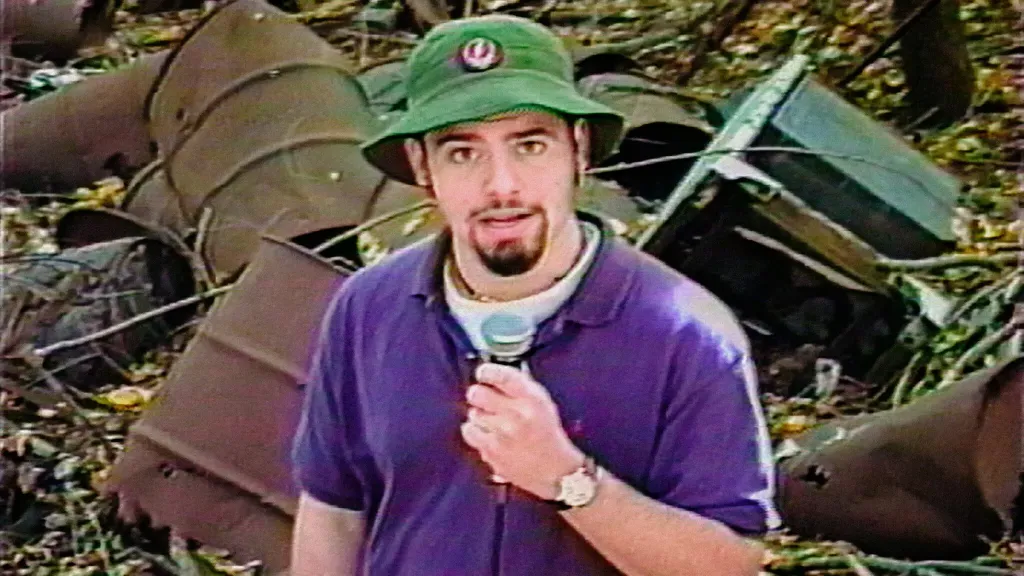
The documentary weaves present‑day interviews with Fred and several former students—Rachel Raimist, Jeff Dutemple, Mike Regan, and David Birmingham. Their recollections provide context, explain how Electronic English was conceived, and illustrate the lasting impact of the project on their lives. Interspersed with a soundtrack of iconic 90s tracks, the film also features raw, home‑video footage that adds authenticity to the investigative process.
Unmasking the Officials
The footage captures officials reacting to tough questioning: one nearly loses his temper, while another casually admits that county authorities had been “working with the Mafia.” These candid moments, combined with testimonies from town residents, create a mosaic of evidence that is both unsettling and compelling. The amateurish camera work, far from detracting, reinforces the feel of a grassroots detective story.
The Role of Civic Courage
What ties every element together is the concept of civic courage—the willingness to speak, act, or organize for the public good despite personal risk. Teenage Wasteland demonstrates how a modest classroom project, fueled by determination and ethical journalism, can challenge entrenched power structures. State Assembly man Maurice Hinchey’s involvement further illustrates how political allies can amplify community‑driven investigations.
Why the Film Matters Today
In an era saturated with clickbait headlines and superficial talk‑show banter, Teenage Wasteland reminds viewers of the essential role of investigative reporting. It shows that sustained journalistic pressure, combined with community solidarity, can uncover hidden truths and force accountability—even when the odds appear insurmountable.
Final Verdict
Teenage Wasteland is a compelling documentary that balances nostalgic charm with hard‑hitting social commentary. It serves as both an entertaining time capsule of 1990s high‑school culture and a powerful testament to the impact of fearless journalism. For anyone interested in environmental issues, media ethics, or the transformative power of education, this film is a must‑watch.