

When a beloved sport meets the familiar beats of adolescent angst, the result can either feel like a reheated leftover or a surprisingly satisfying new dish. Crew Girl attempts the latter by transplanting a determined teenage rower into the privileged halls of Easton Prep, where the absence of a girls’ team forces her to navigate a boys’ crew as their coxswain. Set against glossy lake vistas and an alt‑pop‑driven soundtrack, the series strives to balance the comfort of teen‑drama tropes with a dash of athletic authenticity. This review explores whether the show manages to rise above its formulaic roots or merely rows in place.
Synopsis
Teagan Tao (Miku Martineau) has spent her life training for competitive rowing, dreaming of a future secured by scholarships and sponsorships. A scandal erupts that displaces her family from Southern California, sending them back to her mother Ella’s (Jessica Paré) hometown in the East. Enrolling at the elite Easton Prep, Teagan quickly discovers the school’s prestigious reputation comes with a hefty tuition bill, sky‑high parental expectations, and—crucially—no girls’ rowing team. Refusing to abandon her passion, she cleverly earns a spot as the coxswain on the boys’ squad, a role that demands both technical skill and emotional diplomacy.
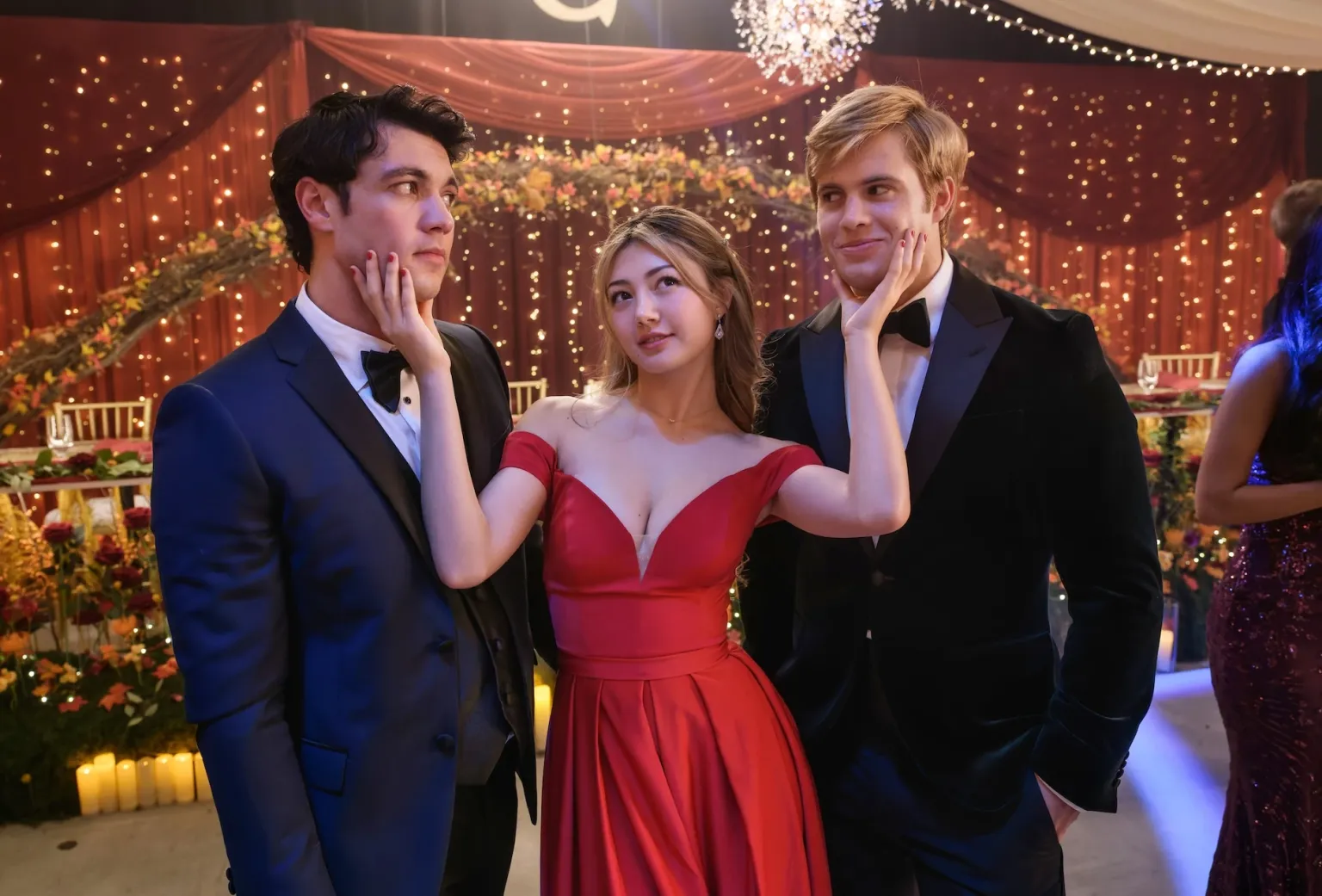
The boys’ team is a colorful mix: the arrogant captain Josh Regis (Sam Braun), the quiet scholarship underdog Cam Dillinger (Kyle Clark), and a supporting cast of teammates whose loyalties shift as the season progresses. As Teagan steers the boat—and her own heart—she finds herself drawn to both Josh and Cam, sparking a love‑triangle‑like dynamic that tests her focus on the water and her resolve off it. Meanwhile, her mother struggles to keep the family afloat financially while reigniting old romances, and Coach Hayden (Thomas Cadrot) tries to instill discipline amid the prevailing chaos. The series weaves together personal ambition, class tension, and the timeless push‑pull of teenage relationships, all set against the rhythmic cadence of rowing practice.
Performances
Miku Martineau delivers a compelling lead performance, balancing Teagan’s fierce determination with moments of vulnerability that make her journey relatable. Her portrayal avoids the pitfall of a one‑note “tough girl” archetype; instead, she shows growth as she learns to trust her crew and herself. Sam Braun’s Josh Regis is suitably charismatic yet infuriating, embodying the privileged captain whose confidence masks deeper insecurities. Kyle Clark brings a subtle intensity to Cam Dillinger, allowing his quiet strength to surface gradually without melodramatic exposition.
Jessica Paré shines as Ella Tao, offering a maternal presence that is both supportive and refreshingly human—her occasional flirtations add a layer of adult complexity that enriches the family dynamic. Thomas Cadrot’s Coach Hayden provides a steady, mentor‑like anchor, while Niall Matter’s portrayal of Richard Regis, Josh’s overbearing father, adds the requisite antagonistic flavor without veering into caricature. The ensemble cast succeeds in making the interpersonal bonds feel genuine, particularly in scenes where the boys’ camaraderie shifts from rivalry to mutual respect—a notable achievement given the show’s reliance on familiar teen‑drama scaffolding.
Behind the Lens
The production leans heavily on visual storytelling to sell the rowing aesthetic. Cinematographer Bradley S. Creasser captures the sleek glide of shells across sun‑dappled lakes, employing slow‑motion shots that emphasize the sport’s precision and teamwork. The alt‑pop soundtrack, curated by Adam King, punctuates key moments—race preparations, confrontations, and tender exchanges—with tracks that amplify the emotional tempo without overwhelming the narrative.
Set design contrasts the opulent, marble‑laden hallways of Easton Prep with the modest, lived‑in Tao household, visually reinforcing the class divide that fuels much of the series’ tension. Costume choices further delineate character arcs: Josh’s preppy blazers versus Cam’s worn‑in hoodies signal their differing backgrounds, while Teagan’s practical athletic wear remains a constant reminder of her core identity.
Direction handled by various directors [Norman Buckley – 2 episodes, Amanda Tapping – 2 episodes, Jacquie Gould – 1 episode, Alysse Leite-Rogers – 1 episode, and Simon Barry – 1 episode] maintain a steady pace, allowing the early episodes to establish world‑building before accelerating into the season’s second half, where character motivations deepen and the rowing competitions raise the stakes. The editing team skillfully intercuts practice drills with personal dialogue, reinforcing the theme that success on the water mirrors progress in life.
Final Verdict
Crew Girl walks a familiar path, echoing the tonal hallmarks of predecessors such as One Tree Hill, 90210, and the more recent My Life with the Walter Boys. Its reliance on teen‑drama conventions—love triangles, parental pressure, and the “rich‑people‑problems” motif—can feel derivative at times. Yet the series distinguishes itself through an authentic sports backdrop, strong lead performance from Martineau, and a surprisingly nuanced portrayal of male friendship that moves beyond simple bro‑fest stereotypes.
When the show finds its rhythm in the latter half of the season—thanks to tighter plotting, heightened regatta sequences, and deeper character arcs—it rewards viewers who stick around with a satisfying blend of adrenaline and emotion. The alt‑pop soundtrack and picturesque lake scenery further elevate the viewing experience, making the series a pleasant, if not wholly original, addition to the teen‑drama canon.
For fans of the genre seeking a fresh setting and a solid, earnest heroine, Crew Girl merits a spot on your fall watchlist. It may not reinvent the wheel, but it certainly rows it with enough vigor to keep you engaged until the final stroke.