

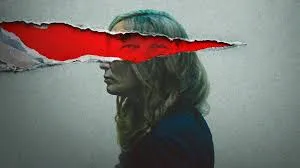
The latest entry in Netflix’s acclaimed sports documentary anthology, UNTOLD: The Shooting at Hawthorne Hill, departs from the high-octane world of stadium sports to explore a quieter, more domestic kind of horror. Directed by Grace McNally, the film investigates a harrowing incident of violence involving a former Olympic equestrian and his student. Set against the backdrop of a sprawling New Jersey farm, this documentary is a chilling exploration of how discipline and prestige can mask a decaying foundation of resentment.
A Veneer of Perfection
The documentary opens by establishing the tranquil atmosphere of Hawthorne Hill, a premier dressage facility. Historically, dressage is a sport defined by absolute control, where horse and rider perform a meticulously choreographed dance of trust. The film uses sweeping cinematographic shots of green pastures and quiet training rings to illustrate this sense of order. However, as Grace McNally skillfully reveals, this serenity was merely a facade.
The central conflict involves a legendary trainer—a man meant to embody the pinnacle of the sport—and a motivated student looking to elevate her career. What begins as a professional mentorship quickly dissolves into a toxic power struggle. The documentary highlights the inherent fragility of such high-pressure environments, where the line between mentor and adversary can blur overnight.
A Duality of Perspectives
One of the most compelling aspects of UNTOLD: The Shooting at Hawthorne Hill is its refusal to provide easy answers. Through a series of high-quality interviews, the film presents two starkly different versions of the truth. On one side, we hear from the trainer, who discusses the immense psychological toll of elite competition and the sanctity of his farm. On the other, the student recounts her experience, painting a picture of a deteriorating relationship that felt increasingly unsafe.
The narrative utilizes home videos, surveillance concerns, and frantic 911 calls to build a palpable sense of dread. It successfully transforms a “he-said-she-said” dispute into a gripping psychological thriller. For much of its hour-long runtime, viewers are left to navigate a murky middle ground, forced to decide for themselves where the blame truly lies.
Digital Evidence and the Courtroom Drama
The film takes an intriguing turn when it moves into the legal proceedings. The courtroom footage is arguably the documentary’s highlight, offering a front-row seat to a trial where social media posts are weaponized as evidence. In one almost surreal moment, a quote from the movie The Greatest Showman is used to justify the shooting.
While these moments provide a brief, unintentional levity, they also highlight a missed opportunity for the film. The documentary could have delved deeper into how digital footprints impact modern criminal defense. Furthermore, while it touches on the insular nature of the elite equestrian world, it stops short of a full-scale critique of the privilege and lack of oversight often found in such wealthy, private communities.
Final Verdict: A Gripping Slow-Burn
Despite some unexplored subplots, UNTOLD: The Shooting at Hawthorne Hill is a standout addition to the UNTOLD series. It trades the massive scandals of the NFL or NBA for a more intimate, psychological study of human breaking points. It serves as a stark reminder that even the most polished surfaces can hide deep, jagged cracks. For true crime aficionados and fans of sports documentaries alike, this serves as a well-paced, thought-provoking watch that lingers long after the credits roll.