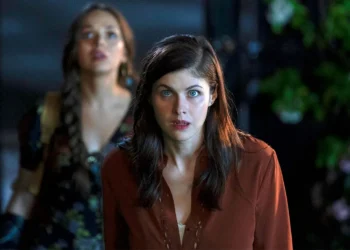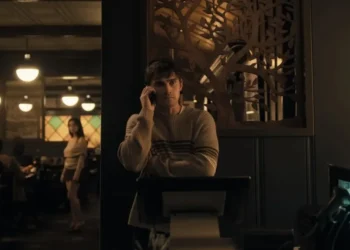



Focker In-Law opened with a splash in New York City on November 11, 2026, before expanding to theaters nationwide. Distributed by Universal Pictures at home and Paramount Pictures abroad, this fourth installment in the Meet the Parents saga pulls Greg Focker into a new crossfire: his son Henry is on the cusp of proposing, but a formidable partner—with credentials to match Greg’s own insecurities—pushes the comedy into familiar, yet fatigued, terrain. John Hamburg returns to the director’s chair, weaving a generational reversal that hinges on whether parental guardianship survives the passage of time or merely mutates into control.
Synopsis
The plot centers on Henry (Skyler Gisondo) as he prepares to ask Olivia (Ariana Grande) to marry him. Olivia, a high-achieving former FBI hostage negotiator turned executive coach, embodies the very competence that makes Greg’s anxious instincts flare. The centerpiece is a family milestone—Greg’s father-in-law, Jack Byrnes (Robert De Niro), marks his 80th, a milestone that reopens the old battlegrounds between Greg and the man who once defined the line between deference and danger. Against a backdrop of continuing domestic rituals, the film probes how the promise of independence for the next generation collides with a parent’s insistence on proximity, continuity, and control. The familiar ring in the story serves as a relic whose disappearance would reveal the terms by which a family negotiates its future.
Performances
- Ariadne Grande brings a poised, understated intelligence to Olivia, using controlled pauses and a softly expressive runway of reactions to puncture Greg’s mounting anxiety. Her presence infuses the room with a measured confidence that transcends the film’s otherwise fatigued energy.
- Ben Stiller embodies Greg’s strain with a committed seriousness that moments of absurdity can barely disguise. His performance—especially in scenes of mortified politeness—helps anchor the humor even when the material falters.
- Robert De Niro returns with a formidable, if sometimes predictable, cool. The exchange of glances and the occasional dry quip remind viewers of the original dynamic, though the script often underutilizes this potent contrast.
- Supporting players deliver varying degrees of sharpness. Beanie Feldstein brings a relatable warmth to Henry’s sister, Samantha, while Eduardo Franco provides lighthearted banter in a few well-timed sequences. Teri Polo’s Pam, though central to the earlier installments, largely serves as a chorus of exasperation rather than a driving force this time around.
- The chemistry among the principal cast occasionally sharpens into something resembling old magic, but the overall effect remains tethered to a previously exhausted playbook. When the ensemble dynamics click, the film achieves a brief spark; when they don’t, the momentum collapses into familiar, humbling slapstick.
Behind the Lens
Hamburg’s return to the director’s chair emphasizes a familiar tonal rhythm: a reliance on physical gags, escalating misunderstandings, and set-piece chaos designed to evoke laughter through embarrassment and discomfort. The opening sequence—an ill-fated encounter between Greg and Olivia that spirals into a political minefield of mistaken identities and concealed motives—illustrates the film’s structural tics. The attempt to craft a modern conflict around a same-household guest dynamic mirrors the original’s suspense, but the narrative fails to translate that suspense into a fresh emotional stakes beyond Greg’s pride and fear of losing control.
The production leans on a gallery of props—the polygraph device, a taxidermied cat, and other relics from earlier entries—to evoke nostalgia. Yet nostalgia, without a clear rationale for reinvention, curdles into complacency. The film’s comedic balance tilts toward slapstick and performative discomfort rather than an insightful exploration of evolving family roles. Grande’s Olivia serves as a literary pivot—the character capable of shifting Greg’s outlook, if only the screenplay allowed deeper exploration of their intersecting ambitions and values. Instead, Olivia’s competence is often the story’s corrective, rather than a catalyst for a more nuanced dialogue about intergenerational change.
Final Verdict
Focker In-Law offers moments of genuine humor and welcome glimpses of growth, particularly in Ariana Grande’s precision and Stiller’s earnest vulnerability. However, the movie ultimately overstretches a premise that already wore thin across the franchise’s arc. The generational reversal—once fertile ground for satire—receives insufficient development, and Greg’s deliberate undermining of his son’s relationship drags the runtime into a pattern of predictable humiliation. The result is a film that, while technically polished, squandered opportunities to illuminate the evolving values of a family navigating independence, loyalty, and affection.
The most compelling through-line remains Olivia’s presence: a high-achieving woman who earns the Byrnes’ respect while subtly challenging the script’s rigidity. Yet even this shift feels underutilized, as the screenplay prioritizes old wounds and ritualized humor over a more nuanced portrait of what it means for a modern couple to join a family on equal footing. The cast delivers with conviction, and the emotional beats occasionally land—but the broader ambition disappoints by retreading familiar ground rather than redefining it.
If you’re seeking a light, familiar comedy with moments of wit and charisma, Focker In-Law will satisfy. For viewers hungry for a sharper, more evolved examination of midlife anxieties and the costs of parental possession, the film may feel like a misstep in a franchise that promised growth but settled for nostalgia.