

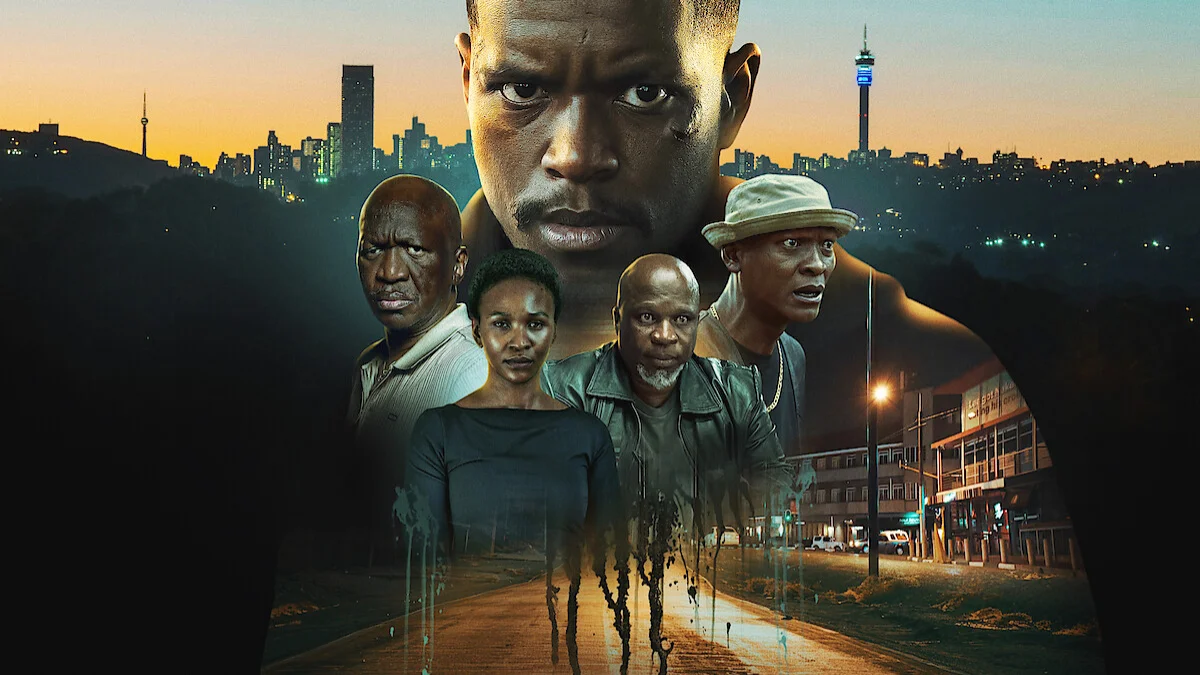
The landscape of South African cinema continues to expand on global platforms, and the latest offering from Netflix, 180, is a testament to the region’s ability to produce gritty, grounded narratives. Directed and written by Alex Yazbek, this 94-minute crime thriller ventures into the dark corridors of grief and the agonizing aftermath of a split-second tragedy. While it may follow some familiar genre beats, the film’s emotional honesty elevates it above standard revenge fare.
The Story: From Tragedy to Turmoil
180 introduces us to Zak Sigcawu, played with haunting intensity by Ntuthuzelo Prince Grootboom. Zak’s world is shattered during what should have been a mundane day when a violent road rage encounter leads to the untimely death of his young son. This isn’t just a story about a man seeking “justice”; it is an exploration of a father being pushed to the absolute edge of his sanity.
What makes the narrative of 180 stand out is its refusal to paint the world in black and white. There are no traditional caped heroes here. Instead, the script carefully balances the line between right and wrong, forcing the audience to witness Zak’s descent into a nightmare fueled by remorse and an insatiable need for closure.
Performances: The Heart of the Film
The true anchor of 180 is the powerhouse performance of Ntuthuzelo Prince Grootboom. His portrayal of Zak is nothing short of visceral. He captures the “rawness” of a parent’s helplessness with such authenticity that you cannot help but empathize with him, even when his choices become questionable. Grootboom masterfully navigates the transition from paralyzing sorrow to a boiling, quiet rage.
The film boasts a supporting cast featuring heavyweights like Noxolo Dlamini, Desmond Dube, Danica De La Rey, Warren Masemola, and Fana Mokoena. However, it must be noted that while these actors deliver professional performances, their characters often feel like instruments to move Zak’s plot forward rather than fully realized individuals. This lack of development for the secondary cast is a missed opportunity in an otherwise character-driven piece.
Behind the Lens: Mood and Atmosphere
Alex Yazbek opts for a slow-burn approach, intentionally withholding information early on to mirror Zak’s own confusion and disorientation. The cinematography is a standout feature, utilizing tight framing and a somber, desaturated color palette to reflect the protagonist’s claustrophobic mental state. This visual style creates a persistent sense of dread, making the viewer feel that a tipping point is always just seconds away.
The film chooses realism over sensationalism. It doesn’t rely on over-the-top action sequences; instead, it finds its strength in the uncomfortable, quiet moments of human suffering and the heavy consequences of impulsive decisions.
Final Verdict: An Emotional, If Predictable, Journey
180 is not a perfect film. As the story moves into its second act and Zak commits to his path, the plot becomes somewhat predictable. Seasoned fans of the thriller genre will likely see the ending coming well before the credits roll.
However, predictability doesn’t necessarily equal a lack of quality. 180 succeeds because it prioritizes emotional resonance over plot twists. It is a somber, heavy, and psychologically taxing film that won’t appeal to those looking for “popcorn” entertainment. But for viewers who appreciate complex character studies and stories that aren’t afraid to dive into the darker side of the human condition, 180 is a compelling watch that leaves a lasting impression.