

Rock and roll dominated the American cultural landscape throughout the 1950s and early 1960s, with Elvis Presley standing as the undisputed monarch of this revolutionary music movement. The King’s magnetic stage presence and the overwhelming fan hysteria he generated inspired filmmakers to capture this phenomenon on screen, resulting in “Bye Bye Birdie,” a musical that Ultimate Classic Rock crowned as the premier rock movie of 1963. The film masterfully translated the electric energy of youth culture and the seismic impact of celebrity into a satirical comedy that resonated with audiences navigating a rapidly changing society.
When examining what distinguished “Bye Bye Birdie” from its contemporaries, critics point to several compelling factors. While the soundtrack did not exclusively feature rock and roll music, the film’s authentic portrayal of teenage life, combined with its expansive production values and the tremendous star power assembled before the cameras, positioned it far ahead of competing offerings. Roger Corman’s “Beach Party” series, which launched Frankie Avalon and Annette Funicello into further stardom, and Cliff Richard’s “Summer Holiday” could not match the cultural sophistication and mainstream appeal that “Bye Bye Birdie” delivered to theaters that year.
The Real-Life Inspiration Behind the Satire
Director George Sidney adapted “Bye Bye Birdie” from the stage musical of the same name, crafting a narrative that drew direct inspiration from one of the most pivotal moments in Elvis Presley’s career. When the 23-year-old rock legend received his draft notice in 1957, the nation virtually held its breath as fans grappled with the reality of their idol serving in the U.S. Army. This cultural moment sent shockwaves through American society, and “Bye Bye Birdie” transformed this upheaval into comedic theatrical gold.
The plot centers on Conrad Birdie, a fictional rock star portrayed by Jesse Pearson, whose farewell performance becomes a media spectacle before he departs for military service. Conrad travels to Sweet Apple, Ohio, where he executes his final televised act, which involves kissing a local young woman selected by his management team. This storyline directly mirrored the public’s fascination with Elvis’s own induction and the subsequent void his absence created in popular music. The satire struck a chord precisely because audiences recognized the exaggerated yet uncomfortably true depiction of celebrity worship and generational divide that dominated headlines during the rock and roll era.
Musical Numbers and Production Highlights
“Bye Bye Birdie” distinguished itself through a memorable collection of songs that blended rockabilly sensibilities with traditional Broadway theatricality. Standout musical numbers included “Honestly Sincere,” “One Last Kiss,” and “A Lot of Livin’ to Do,” each showcasing the film’s ability to merge contemporary musical trends with established entertainment conventions. The choreography and elaborate dance sequences elevated the production beyond simple jukebox entertainment, creating a sophisticated hybrid that appealed to diverse audience demographics.
Interestingly, “Put On a Happy Face,” the song that would become synonymous with Dick Van Dyke’s career, underwent significant turbulence during development. Early performances of the stage version yielded underwhelming responses, leading producers to consider removing the number entirely from the production. The song’s eventual retention and subsequent success demonstrated the collaborative magic happening behind the scenes, as creative teams worked to perfect what would become an enduring standard in American musical theater.
Hollywood’s Finest Unite
The casting decisions for “Bye Bye Birdie” assembled an extraordinary ensemble that strengthened the film’s commercial and artistic viability. Dick Van Dyke reprised his Tony-winning performance as Albert Peterson, a music agent navigating the chaotic entertainment industry, marking his transition from stage to cinema with remarkable ease. His comedic timing and effervescent personality provided the picture with a reliable center around which the more fantastical elements could orbit.
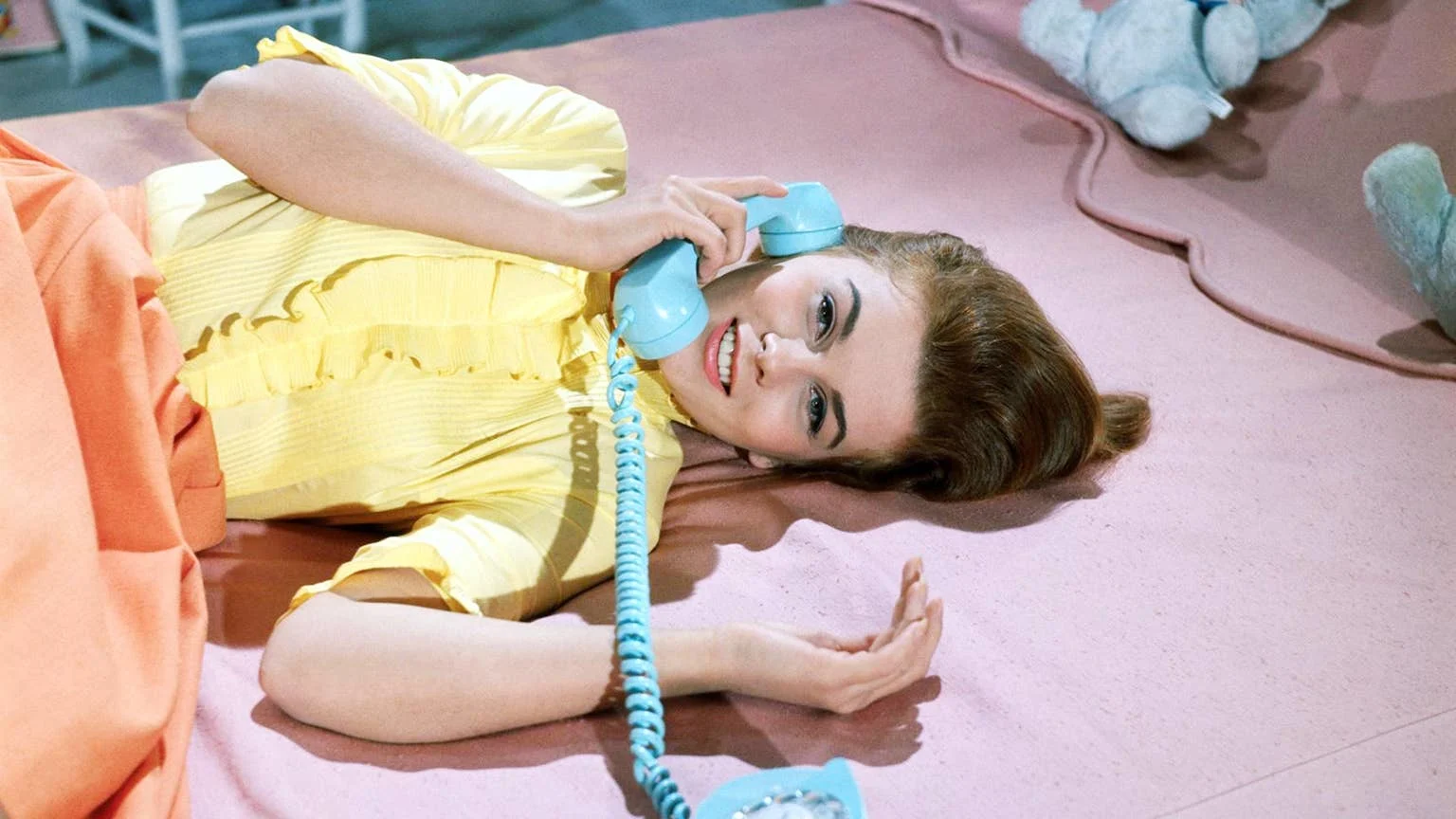
Janet Leigh, best known for her collaborations with Alfred Hitchcock, played Rosie Alvarez, Albert’s secretary and romantic interest. The role would eventually go to Rita Moreno, though Leigh’s interpretation brought her signature blend of sophistication and vulnerability to the character. Meanwhile, Ann-Margret made a stunning debut as Kim MacAfee, Conrad Birdie’s most devoted fan, lighting up the screen with youthful exuberance that announced her arrival as a major new talent in Hollywood. Ed Sullivan appeared as himself, lending an additional layer of authenticity to the show business satire by casting the actual television personality who had previously introduced Elvis to mainstream audiences.
One of the most fascinating behind-the-scenes details involves the character of Conrad Birdie, whose name was deliberately chosen as a tribute to Conway Twitty. Twitty received an offer to play the role before Jesse Pearson ultimately landed the part. Both Twitty and Presley declined the opportunity, leaving the door open for Pearson to create the iconic characterization that audiences would embrace. This connection highlights how closely “Bye Bye Birdie” remained tied to the real personalities shaping rock and roll during its most explosive period.
A Lasting Cultural Legacy
Decades after its release, “Bye Bye Birdie” continues generating interest and appreciation from new generations discovering classic Hollywood entertainment. Ann-Margret recently reflected on her involvement with the project during a People interview, expressing continued fondness for the production while revealing a personal mystery that persists to this day. She marveled at Dick Van Dyke’s seemingly inexhaustible energy, joking that she frequently asked him how he maintained such energy and enthusiasm throughout demanding shooting schedules. This anecdote speaks to the camaraderie and professional respect that characterized the production, elements that translate on screen and contribute to the film’s enduring appeal.
“Bye Bye Birdie” remains accessible to contemporary audiences through Prime Video, where viewers can experience the film that captured a pivotal cultural moment and transformed it into timeless entertainment. The movie serves not only as a nostalgic window into early 1960s sensibilities but also as a testament to Hollywood’s ability to reflect and comment upon the society producing it.