

Netflix has made no secret of its ambition to dominate the medical drama space this year, rolling out one hospital-based series after another in rapid succession. The latest addition to this growing catalog is Always on Call, a seven-episode Norwegian production that trades the high-octane chaos of American medical shows for something far more restrained and introspective. Following the swift renewal of the Polish series Anaesthesia, expectations for this Scandinavian entry are understandably elevated. Does it rise to the occasion, or does it get lost in the crowded landscape of streaming medical content? The answer, much like the show itself, is nuanced.
Synopsis
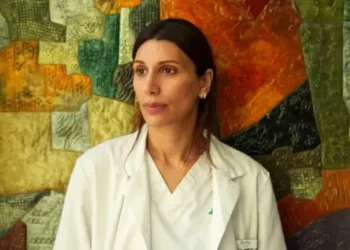
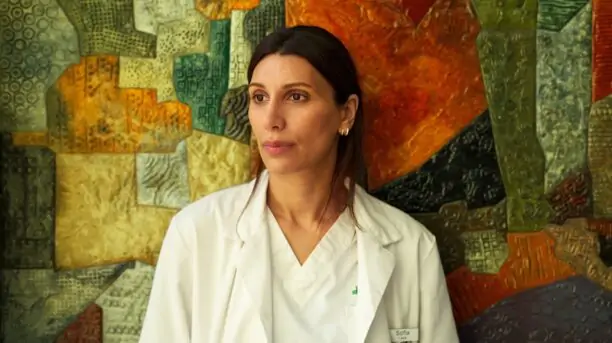
The narrative centers on Sofia Karimi, a talented and fiercely dedicated doctor whose instincts override protocol during a night out. When a man collapses at a club, she intervenes, following him to the hospital and taking extraordinary measures to complete his surgery. Her actions, while heroic in intent, lead to a suspension. In the insular world of Oslo’s medical community, finding a new position proves challenging. An old colleague, Stig, offers her a lifeline at his struggling hospital, which is facing public scrutiny over lengthy waiting times. Sofia arrives as a polarizing figure, navigating a new team while confronting personal and professional challenges. The series interweaves the lives of her colleagues—a pragmatic doctor, a physician reconnecting with a past love, and two idealistic interns—against the backdrop of a demanding healthcare system.
Performances
The beating heart of Always on Call is undoubtedly Sara Khorami, who delivers a performance of remarkable depth and warmth. She portrays Sofia as a woman of conviction, stubborn yet compassionate, whose dedication to her patients often places her at odds with bureaucratic constraints. Khorami imbues the character with a quiet resilience that anchors the entire series. Without her grounded presence, the show would risk losing its emotional core. Supporting her are Jan Gunnar Røise as Stig, whose weary pragmatism offers a counterpoint to Sofia’s idealism, and Thorbjørn Harr as Anders, a doctor whose professional demeanor masks a more complex interior. The ensemble is competent, though the younger actors portraying the interns feel somewhat out of sync with the show’s more subdued tone.
Behind the Lens
Visually and tonally, Always on Call distinguishes itself from the glossy, frenetic style of many contemporary medical dramas. The pacing is deliberate, almost meditative, choosing to linger on character moments rather than rush toward dramatic crescendos. This approach is both a strength and a weakness. The early episodes move at a glacial pace, with storylines that feel diffuse and unfocused. It is not until the fifth episode, set during a Christmas Eve snowstorm that blankets Oslo, that the series truly finds its footing. This climactic convergence of events demonstrates what the show is capable of when it commits to narrative urgency.
Some subplots, such as one involving medication acquired from the hospital pharmacy under questionable circumstances, echo more compelling arcs from shows like The Pitt but fail to land with the same impact. The series ultimately presents a world that feels authentic, but its reluctance to embrace dramatic momentum may test the patience of viewers accustomed to more immediate gratification.
Final Verdict
Always on Call is a series that prioritizes character over spectacle, a choice that will resonate with some viewers more than others. It is a quiet, often distant show that occasionally struggles to maintain narrative cohesion across its brief run. Yet, for those willing to invest the time, it offers a rewarding character study anchored by a standout performance from Sara Khorami.
The series avoids major missteps, building goodwill through its sincerity even when its execution falters. It is not a binge-worthy thrill ride, but rather a slow-burn drama that requires patience. If you appreciate medical shows that focus on the people behind the white coats and are willing to wait for the story to find its rhythm, Always on Call is worth your attention. It may not demand a second season, but it leaves enough of an impression to make one welcome.
Also Read:
Netflix Announces Premiere Date of First Nordic Medical Drama “Always on Call”