

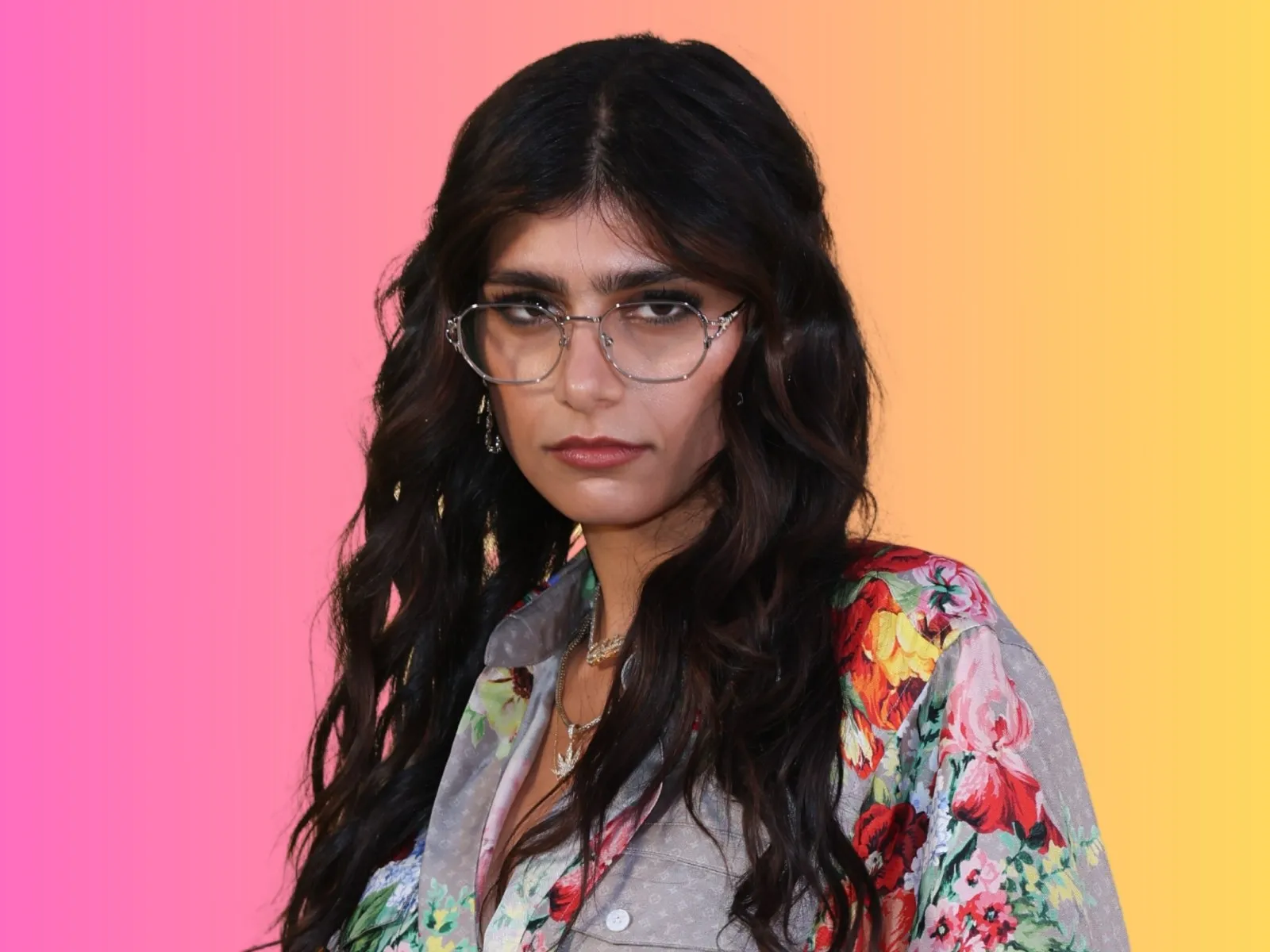
In March 2018, an Atlanta-based musical duo released a track intended as a direct response to what they believed was a criticism from a well-known internet personality. What followed was one of the most unexpected viral phenomena in social media history, transforming a diss record into a cultural reset button for an entire generation of content creators.
The Origins of “Hit or Miss”
iLOVEFRiDAY, consisting of producers Smoke Hijabi and ennisc, created “Hit or Miss” following a misunderstanding involving a fabricated tweet. The duo misinterpreted a joke post from a meme account suggesting that Mia Khalifa had criticized Smoke Hijabi for wearing a hijab while smoking. The lyrics directly referenced the adult film performer’s previous work appearances while wearing a hijab, establishing the track as a targeted attack rather than a celebratory tribute.
The song was officially released on March 4, 2018, with virtually no promotional backing. Initial streaming numbers remained minimal, and the track failed to gain traction outside of niche hip-hop circles for several months. The record sat quietly on YouTube and various streaming platforms, seemingly destined to fade into obscurity.
The Unexpected TikTok Explosion
Late in 2018, users on the rapidly growing TikTok platform began pairing the song’s distinctive hook with lip-sync skits and quick video edits. The call-and-response section “hit or miss, I guess they never miss, huh” proved perfect for reaction-based content, serving as an instant template that required minimal editing skills.
The sound spread organically through the platform’s algorithm, requiring no playlist placement or label promotion. By February 2019, “Hit or Miss” had climbed to number one on Spotify’s Global Viral 50 chart. TikTok videos featuring the sample surpassed four million creations, while the original YouTube upload crossed fifty million views. Additional clips and stitches added another two hundred million plays across the platform.
The Meme That Outlived Its Origin
The track earned its own hashtag and became recognized as the defining TikTok sound of that specific era. Remarkably, Mia Khalifa herself never posted the song, sampled it, or participated in any of the early challenge videos. Her own content during this period focused primarily on sports commentary and personal updates, with the diss track running parallel to her actual social media presence.
Business Insider later reported that the track was deliberately framed from the beginning as an attack on the Lebanese-American internet personality, not an ironic nod. This context explains why the eventual meme life felt so completely detached from its original intent.
Cultural Impact and Statistics
By mid-2020, cumulative view counts for all TikTok videos using the song exceeded 865 million. The official YouTube upload alone maintains over 153 million views years after its release. These impressive figures arrived without any music video budget or coordinated marketing campaign.
The track never appeared on traditional Billboard singles lists. Its reach remained almost entirely contained within short-form video loops and meme compilations, a pattern that distinguished it from most rap singles that traditionally chase radio adds or playlist placement.
Streaming analytics revealed that the song’s daily plays spiked in waves directly tied to new TikTok trends rather than any conventional release strategy. Each fresh challenge pulled the same hook back into rotation without requiring additional promotion from the artists or the subject.
The Permanent Detachment
In later interviews, Mia Khalifa acknowledged the track’s existence and noted the profound irony of its massive reach. She has not claimed any financial or promotional benefit from the meme’s success, and her social accounts treat the song as background noise rather than a career milestone.
Public comments on those interviews frequently express surprise once listeners discover the song began as an attack. The disconnect between the meme’s playful tone and its original target remains a recurring discussion point in comment sections years after release.
The phrase “hit or miss” eventually detached entirely from the original lyrics and traveled into unrelated skits about sports, dating, and pop culture failures. Users who joined TikTok after 2019 often encounter the sound without any knowledge of its diss origin or the subject’s identity.
Industry Analysis
iLOVEFRiDAY watched their low-profile diss become a platform-defining sound without additional effort. Their YouTube channel gained subscribers from the meme traffic, yet the track never led to a sustained recording career. They have not released a comparable follow-up that matched the same algorithmic lift, and the single stands as their clearest footprint in pop culture memory.
The track’s success inspired labels and managers to study it as an example of passive virality. A song could reach global streaming numbers without a coordinated campaign if the audio clip solved a simple creative need for users. This case study appears frequently in discussions of how short-form platforms completely reshaped release strategy.
Search interest for “Hit or Miss” still spikes whenever TikTok surfaces old sounds or when Mia Khalifa comments on unrelated news. These queries rarely connect to her other projects, with the meme remaining the dominant association.
The Viral Drift of “Hit or Miss”
The “Hit or Miss” phenomenon demonstrates how a single audio clip can detach from its origin and circulate for years purely on its own momentum. The track’s meaning shifted from targeted diss to shared joke, while Mia Khalifa’s name remained attached. This unusual path underscores how algorithmic platforms can transform even the most personal grievances into universal cultural artifacts, creating content that transcends its original purpose entirely.