

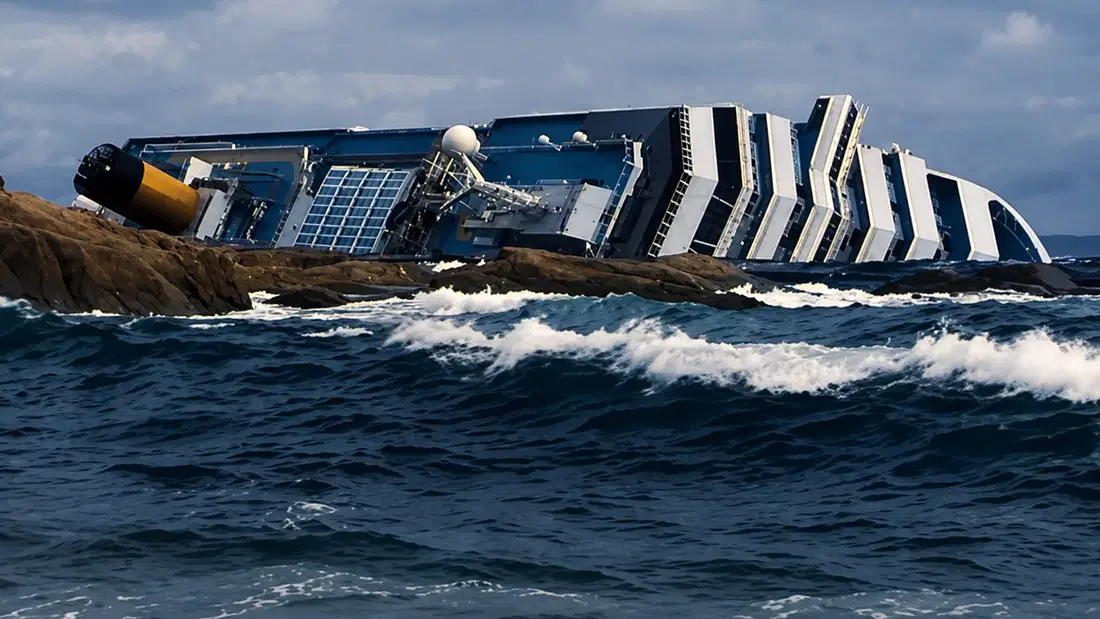
Netflix has masterfully established a reputation for transforming real-world maritime catastrophes into high-end, prestige documentary filmmaking. Their latest venture, Shipwrecked: Nightmare at Sea, continues this trend by revisiting one of the most haunting nautical disasters of the modern era: the 2012 capsize of the Costa Concordia. Hovering in the shallow waters off the Italian coastline for years as a rusted monument to human error, the ship’s story is now being re-examined through a lens of previously unreleased footage and heartbreaking first-hand accounts from those who made it off the vessel alive.
For those who may only vaguely recall the headlines from over a decade ago, or for a new generation of viewers unfamiliar with the incident, the documentary provides a deep dive into the chaos. Before watching the film on streaming platforms, it is essential to understand the timeline of that horrific night, the legal battles that followed, and the reason why this tragedy continues to captivate the public imagination in 2026.
A Routine Voyage Ends in Ruin
The ordeal began on the evening of January 13, 2012. The Costa Concordia, a massive luxury cruiser, departed from the port of Civitavecchia. Onboard were more than 4,200 individuals, consisting of vacationing families and a diverse international crew, all expecting a scenic week-long journey across the Mediterranean. However, the atmosphere of celebration was short-lived.
Under the command of Francesco Schettino, the vessel veered from its programmed navigation path. The captain intended to perform a “salute”—a traditional but risky maneuver where a ship sails dangerously close to the shore to acknowledge the local residents. As the ship approached the island of Giglio near the Tuscan coast, the hull scraped against a jagged, submerged rock reef. The impact was catastrophic, tearing a massive hole in the ship’s side and allowing sea water to flood the engine rooms almost instantly.
Chaos and the Failure of Command
What followed was a terrifying descent into disorder. As the Costa Concordia lost power and began to tilt precariously, the atmosphere of fine dining and music evaporated. Passengers reported the terrifying sensation of floors becoming walls as the ship listed. In the darkness, families were separated, and the crew struggled to organize an evacuation without clear instructions from the bridge.
Investigations later revealed a significant delay in the emergency response. For over an hour, the ship’s leadership allegedly downplayed the severity of the situation, even telling passengers and coast guard authorities that they were merely experiencing a localized power failure. By the time the official “abandon ship” order was issued, the tilt was so extreme that half of the lifeboats were rendered useless, trapped against the hull or the rising waterline. In the end, 32 people lost their lives in a tragedy that many experts believe was entirely preventable.
The Legal Storm and Captain Schettino
The documentary Shipwrecked: Nightmare at Sea places a significant focus on the aftermath, particularly the trial of Francesco Schettino. Often vilified in the media as “Captain Coward,” he was arrested shortly after the sinking. The prosecution leveled several serious charges against him: causing a maritime disaster, multiple counts of manslaughter, and the shameful act of abandoning his ship while hundreds were still trapped on board.
The defense presented a surreal narrative. Francesco Schettino famously claimed that he did not intentionally leave the vessel but rather “tripped” and fell into a departing lifeboat as the ship lurched. Furthermore, prosecutors suggested the dangerous maneuver near the island was an attempt to impress a Moldovan dancer, Domnica Cemortan, who was on the bridge at the time. While Francesco Schettino denied these personal allegations, the court was unmoved by his broader claims of shared responsibility.
In 2015, he was sentenced to 16 years in prison, a verdict that was upheld by higher courts in 2017. While other employees of Costa Crociere received shorter sentences through plea bargains and the company paid a substantial fine, the debate remains: was Francesco Schettino a solitary villain, or a convenient scapegoat for a larger systemic failure?
By utilizing survivor perspectives, Shipwrecked: Nightmare at Sea seeks to answer these lingering questions when it premiered on Netflix on July 10, 2026.