

The landscape of awards season looks dramatically different today than it did nearly a century ago. When Hollywood gathered for the very first Academy Awards ceremony in 1929, the event bore little resemblance to the extravagant, globally televised productions that audiences anticipate each year. More significantly, that inaugural ceremony omitted several categories that have since become cornerstone components of the recognition process, including one that would eventually become synonymous with musical cinema excellence: Best Original Song.
This prestigious category made its debut five years after those initial awards, and the inaugural winner emerged from a film starring what many consider the most iconic dancing partnership in motion picture history. While nearly a century has passed since that groundbreaking achievement, casual film enthusiasts of the modern era may find themselves unfamiliar with the first composition ever to receive this honor, even though the performers who brought it to life remain enduring cultural touchstones.
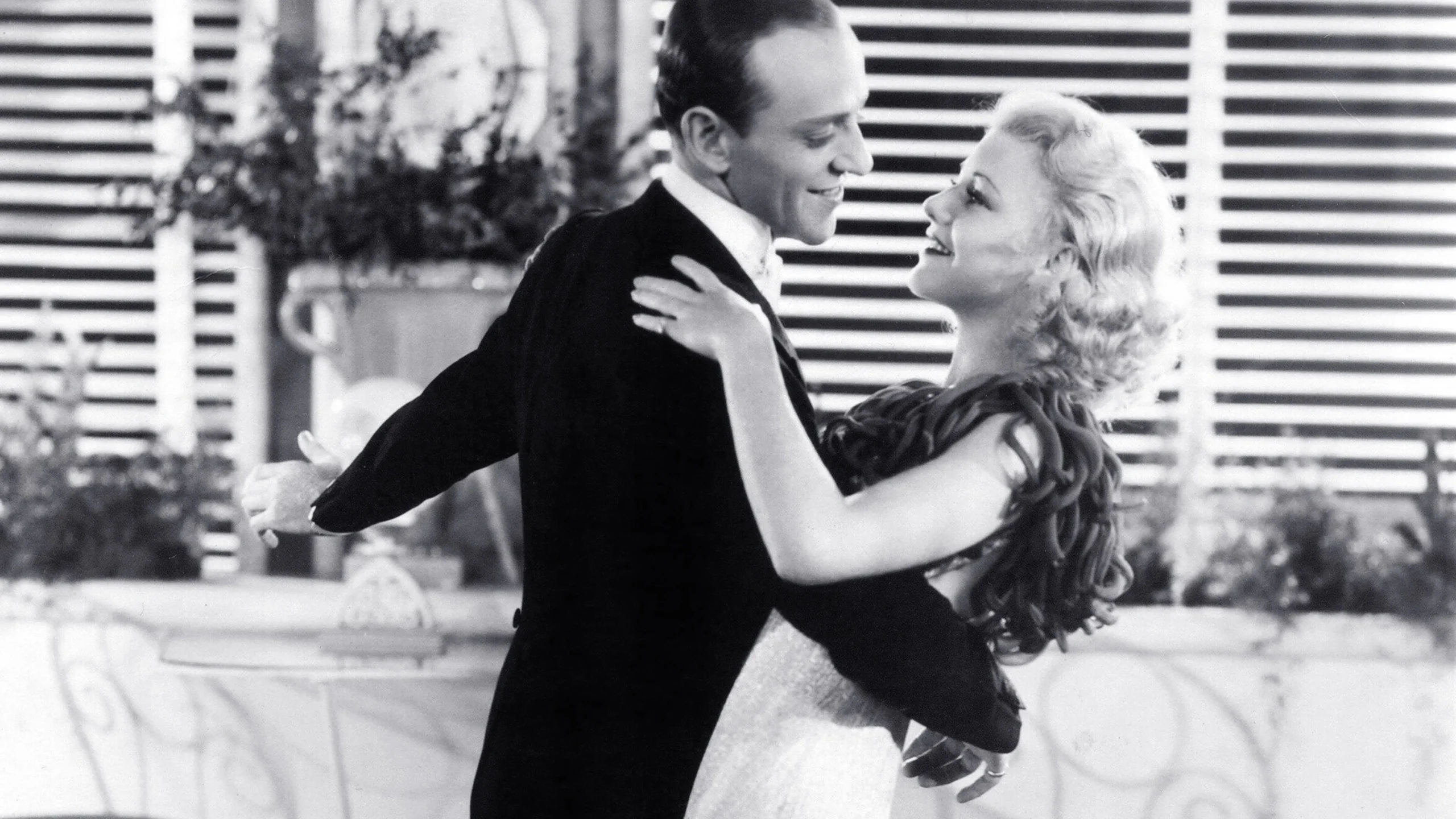
Fred Astaire and Ginger Rogers represents a collaboration that transcends generational boundaries, their names instantly evoking images of effortless elegance, impeccable timing, and pure cinematic magic. Their legendary partnership officially began with the 1933 production Flying Down to Rio, though that film positioned them in supporting roles rather than leading positions. The distinction of headlining their first project together belonged to The Gay Divorcee, a 1934 musical comedy that would ultimately make Academy Awards history.
The Gay Divorcee presents a lighthearted narrative centered on Guy Holden, portrayed by Astaire, an American dancer taking a holiday in England who becomes enamored with Mimi Glossop, played by Rogers. The character portrayed by Rogers finds herself in the complicated position of seeking a divorce from her husband, a geologist by profession. The story unfolds through the expected assortment of comic situations, musical performances, and dance sequences that defined the era’s musical offerings, with the entire production building toward a showstopping musical number that would forever alter Academy recognition.
Within the original Broadway production that inspired the film, this particular number did not exist. Composers Con Conrad and Herb Magidson crafted “The Continental” specifically for the cinematic adaptation, creating a piece that would achieve unprecedented recognition. Rogers performs the song’s introduction before the screen transitions to an elaborate dance sequence featuring a massive chorus ensemble dressed in contrasting black and white attire. The composition’s lyrics deliberately establish the tone for this ambitious presentation, celebrating a dance style characterized as daring, subtly sophisticated, and inherently romantic.
The impact of “The Continental” extended beyond its historical distinction as the first Best Original Song winner. The Gay Divorcee itself secured additional Academy Award nominations that year, including recognition in the categories of Best Art Direction and Best Picture, signaling the production’s overall contributions to cinematic excellence.
Following the success of The Gay Divorcee, Astaire and Rogers reunited for numerous projects, though their collaboration was not without its colorful moments. During the production of Top Hat the subsequent year, the partnership experienced one of its more memorable interpersonal challenges, centering on an issue that might seem trivial in retrospect but proved quite consequential during filming: Rogers’s costume.
In her autobiography “Ginger: My Story”, Rogers reflected on the tension that developed between the dance partners during this production. “Our emotions were high-pitched,” she recalled. “He didn’t like my dress and I didn’t like being put to the test.” During rehearsal sessions, the dress’s feathered elements created difficulties that proved distracting to Astaire. “It’s true, some of the feathers did flutter and annoy Fred. He muttered to himself as he plucked the feathers off his tailcoat,” Rogers explained. She even suggested that the film’s beloved musical number “Cheek to Cheek” might more appropriately have been titled “Horn to Horns” given their creative disagreements.
Astaire offered his own perspective on the incident in his memoir “Steps in Time: An Autobiography”, adopting a notably lighter tone in his recollection. “I never saw so many feathers in my life. It was like a snowstorm,” he wrote. “They were floating around like millions of moths. I had feathers in my eyes, my ears, my mouth, all over the front of my suit.” The situation eventually acquired an absurdist quality as the production continued. “The feathers kept flying, the wardrobe lady shook the dress and the sweepers swept them up,” Astaire documented. “It got to be funny after a while. The news went all over the lot that there was a blizzard on the Top Hat set. The sightseers poured in on us.”
According to Astaire, the incident became a running joke that persisted for weeks following the production’s completion. “I used to call her ‘Feathers!'” he revealed, demonstrating the playful dynamic that ultimately strengthened their professional relationship despite surface-level conflicts.