


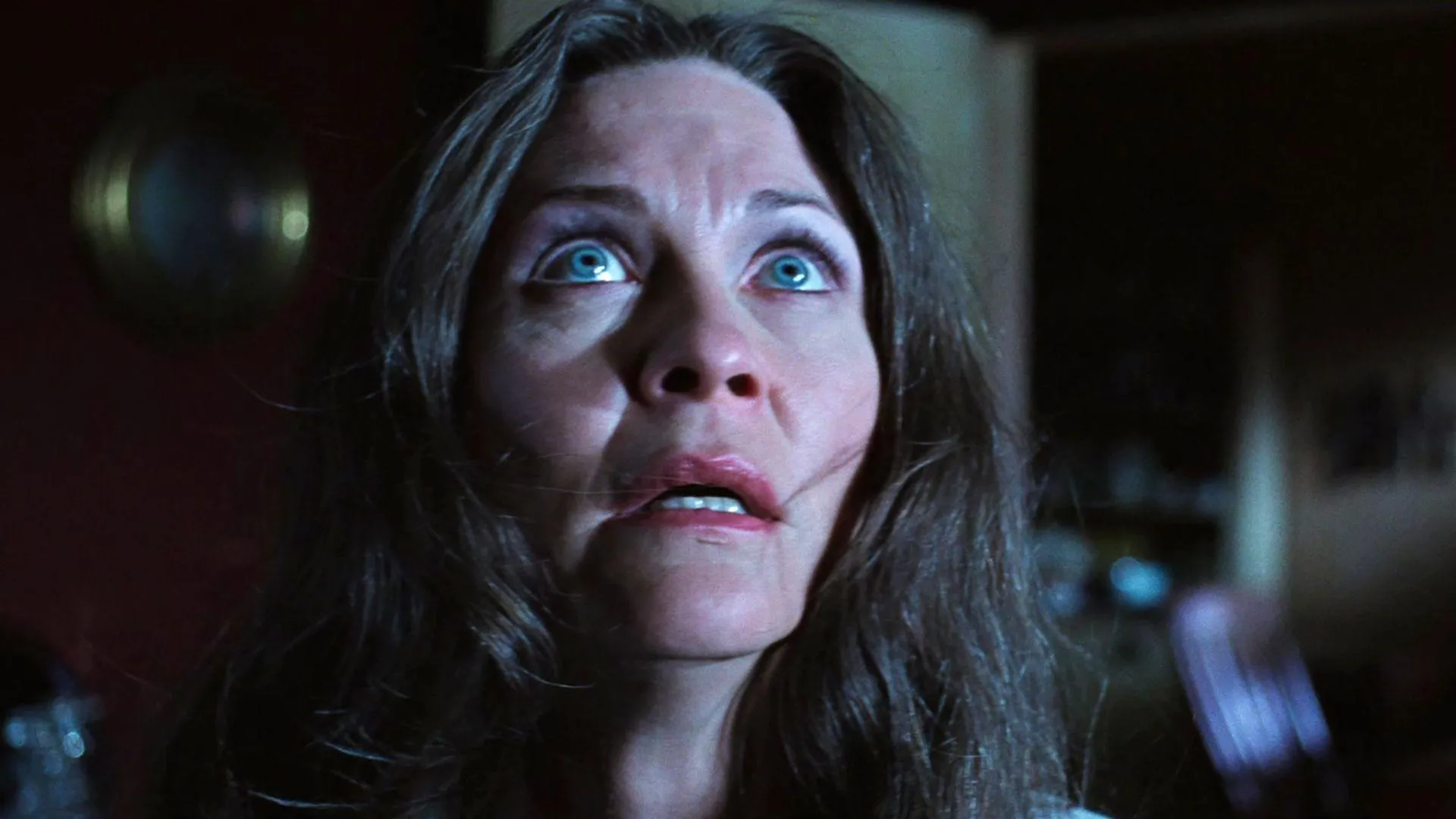
When a highly anticipated horror title lands on a streaming platform, the buzz can be both exciting and maddening—especially when you’re left out of the conversation. Hellcat arrived on Shudder amid a chorus of rave notices from festivals such as Fantasia International Film Festival, FrightFest and Beyond Fest, yet the critics deliberately skirted the film’s central secret. That deliberate vagueness only heightened the urge to see it for myself. After finally watching Brock Bodell’s feature, I can confirm that the mystery is worth the wait, and the film delivers a fresh, unsettling experience that rewards patient horror fans.
Synopsis
Lena (Dakota Gorman) awakens inside a moving camper trailer with no recollection of how she got there. The only clue to her predicament comes from a disembodied voice over an intercom embedded in a taxidermied coyote head—Clive (Todd Terry), who claims he has taken her captive to protect her from an undisclosed infection. As Lena explores the confined space, she pieces together fragments of her past through vivid flashbacks that unfold within the trailer’s walls. The film balances tension and curiosity, letting the audience share Lena’s claustrophobic perspective while hinting at a deeper, genre‑blending mystery that only reveals itself in the final act.
Performances
Dakota Gorman carries the film with a raw, instinct‑driven portrayal of Lena. Her wordless exploration of the camper—searching for exits, listening for clues, and battling rising panic—feels visceral and authentic. Gorman’s physicality conveys both vulnerability and fierce determination, making the audience’s sympathy instinctive.
Todd Terry’s vocal performance as Clive is equally compelling. Delivering lines with a Southern drawl that oscillates between patronizing reassurance and unsettling authority, Terry creates a presence that is felt even when he remains unseen. The chemistry between Gorman’s frantic energy and Terry’s calm, enigmatic tone drives much of the film’s emotional tension, evolving into a reluctant bond that feels earned rather than forced.
Behind the Lens
Director‑writer Brock Bodell leverages the film’s modest budget to maximize atmosphere. Cinematographer Andrew Duensing keeps the camera locked to what Lena can see, effectively trapping viewers inside the camper and amplifying the sense of confinement. This visual restraint forces the audience to rely on sound design and Lena’s reactions, turning every creak and flicker of light into a potential threat.
The flashback sequences are ingeniously staged within the same limited set: branches sprout from the walls during a hunting memory, while sequined dresses flash under neon lights during a disastrous girls’ night. These inventive transitions avoid the need for elaborate locations while reinforcing the idea that Lena’s mind is the true setting of the story. The production design, lighting, and sound work in concert to create a low‑budget yet highly cinematic experience that feels both intimate and expansive.
Final Verdict
Hellcat succeeds where many horror films falter: it uses restraint to build suspense, then pays off with a genre‑twisting climax that feels both surprising and emotionally resonant. The film avoids cheap jump scares, instead cultivating a lingering dread rooted in the unknown. Gorman and Terry deliver standout performances that anchor the narrative, while Bodell’s direction proves that creativity can thrive within financial limits.
For viewers who appreciate thoughtful horror that trusts the audience to piece together clues, Hellcat is a must‑watch. Its blend of survival tension, psychological intrigue, and subtle genre homage makes it a noteworthy addition to Shudder’s growing catalog.