

Released in theaters on August 14, The End of Oak Street drops a suburban family into a prehistoric swamp, blending ’80s nostalgia with creature‑feature thrills. Directed by David Robert Mitchell and anchored by Anne Hathaway and Ewan McGregor, the film strives to honor classic Spielberg‑era adventures while carving out its own identity. This review explores how the picture balances homage, family drama, and visual ingenuity, and whether it succeeds as a fresh take on the dinosaur‑survival formula.
Synopsis
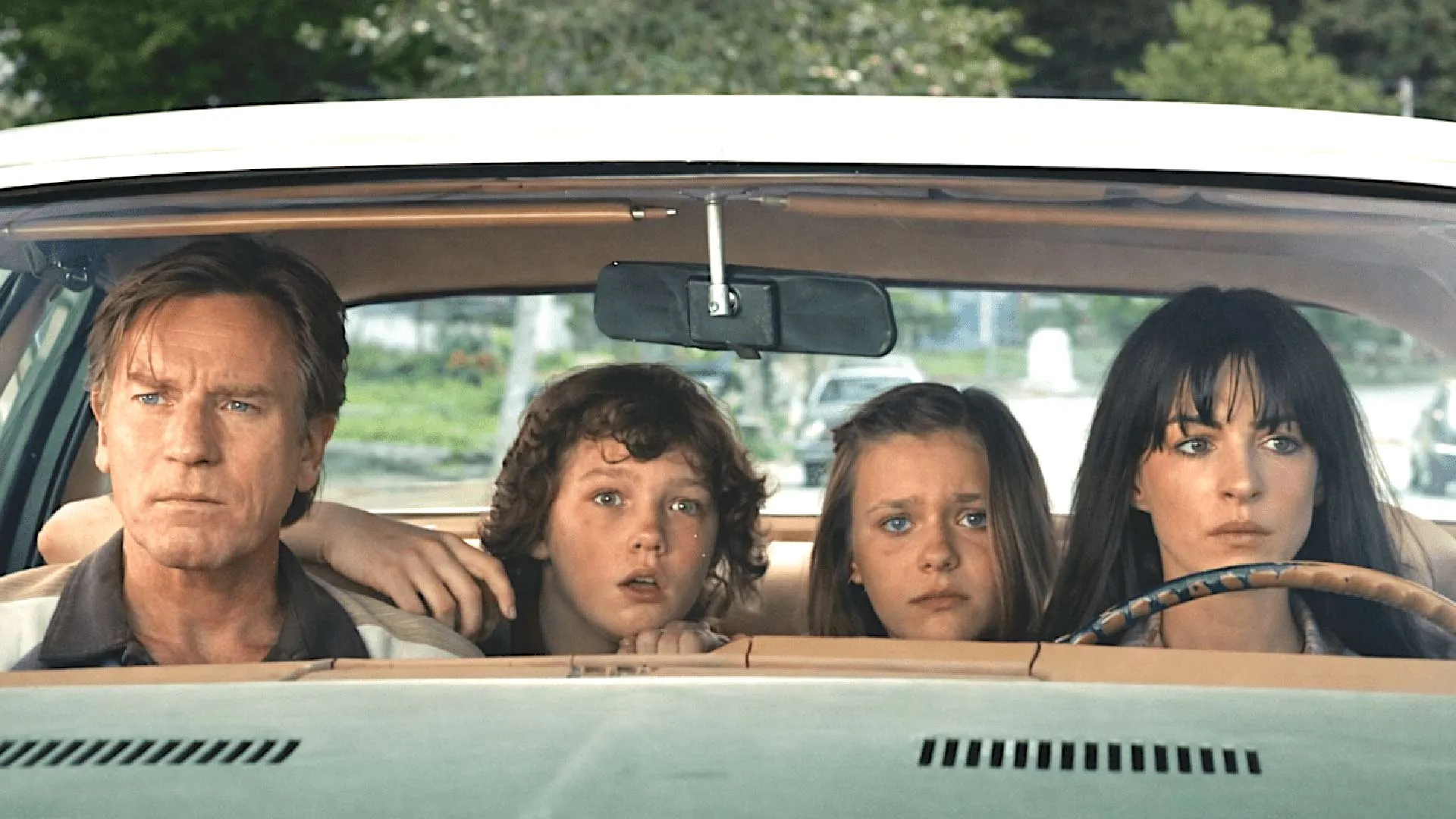
When a mysterious wormwood transports an entire ’80s neighborhood into a swamp teeming with feathered dinosaurs, the Oak Street clan must navigate both external peril and internal tension. Anne Hathaway’s matriarch fights to keep her family safe while confronting strains in her marriage, and Ewan McGregor’s optimistic husband tries to hold the group together. The children experience wonder and fear as they encounter beasts that feel both familiar and eerily new. The story leans on survival instincts and emotional resilience, using the dinosaur backdrop as a metaphor for a crumbling partnership rather than focusing on scientific exposition.
Performances
Anne Hathaway delivers a grounded, fiercely protective portrayal that anchors the film’s emotional core. Her character shifts from warm suburban mom to a weary survivor, revealing subtle cracks that make her eventual resolve feel earned. Ewan McGregor supplies a steady, hopeful counterpoint, his relentless optimism providing both comic relief and a poignant contrast to Hathaway’s frayed edges. The younger cast members, though less highlighted, bring authentic kid‑like curiosity and fear, enhancing the family dynamic. Mitchell’s direction ensures that each performance serves the central metaphor: the dinosaurs are less about spectacle and more about the pressures straining the household.
Behind the Lens
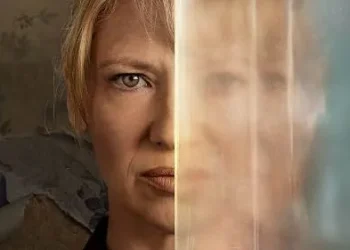
David Robert Mitchell leans heavily on visual storytelling to distinguish The End of Oak Street from its predecessors. A notable technique is the split‑diopter lens, which keeps near and far subjects in sharp focus while a visible line divides the frame—used during moments when characters conceal truths or when dialogue contrasts with background action. This approach adds a layer of visual tension without relying on exposition.
Blocking and composition further reinforce the film’s themes. Early scenes linger on quiet treelines and slow edits, establishing a sense of safety that later becomes ominous when the same foliage hides lurking dangers. A standout oner follows the family’s frantic flight from a T‑rex, blending near‑misses with a climactic run‑and‑scream sequence that mirrors both the film’s strengths and its occasional hokiness.
The runtime—approximately 90 minutes—serves the narrative well. By resisting the urge to over‑explain the wormwood’s mechanics, Mitchell keeps the focus on character and atmosphere. A brief radio broadcast offers the only scientific hint, preserving mystery and avoiding a potential pacing drag. The score, echoing the production logos of classic ’80s adventure films, reinforces the nostalgic tone while underscoring key emotional beats.
Final Verdict
The End of Oak Street succeeds as a affectionate throwback that wears its influences proudly. While the film occasionally slips into familiar cheese—especially in its earnest ’80s suburban moments—its strengths lie in Hathaway’s compelling performance, Mitchell’s thoughtful visual choices, and the clever use of dinosaur imagery to explore marital strain. The movie never pretends to reinvent the genre; instead, it offers a compact, emotionally resonant creature feature that feels like reuniting with an old friend who still knows how to make you smile, even if the jokes are a tad dated.
For viewers who enjoy Spielberg‑era ambience, indie sensibility, and a dash of dino‑drama, this 90‑minute ride is worth the ticket. It may not topple Jurassic Park as the definitive dinosaur saga, but it finds its own niche by letting family dynamics roar louder than any reptilian roar.