

Netflix’s The Crash Turns Everyday Teenage Drama Into a Chilling Crime Scene
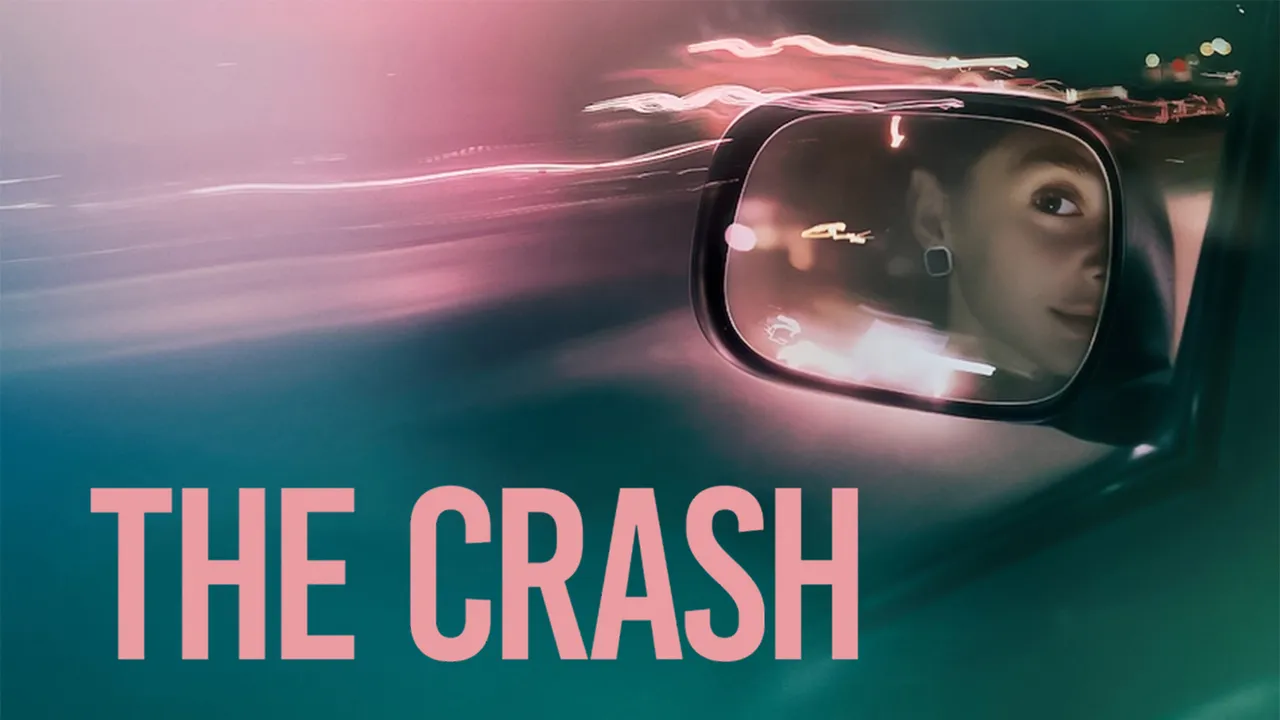
A seventeen-year-old girl drove her boyfriend and his best friend into a brick wall on a quiet Sunday morning. Sounds like an accident, right? That was certainly the first instinct when paramedics arrived at the scene in Strongsville, Ohio. But Netflix’s new documentary The Crash argues something far more unsettling: everyone who knew Mackenzie Shirilla had watched the exact same story unfold, but nobody recognized it until two boys were dead. This is true crime at its most uncomfortable because it forces viewers to confront an uncomfortable truth about ourselves.
The Crash doesn’t open with the collision. Instead, director Gareth Johnson immerses audiences in the months leading up to that July morning, showing viewers a relationship that most adults would immediately categorize as typical teenage turbulence. Intense? Yes. On-again, off-again? Absolutely. Dramatic? Without a doubt. Those are the same words parents, teachers, and friends use to describe adolescent relationships across the country. But Johnson uses this very familiarity as his central piece of evidence, arguing that our comfortable vocabulary around teenage drama actually blinds us to something far more dangerous.
Double Timeline, Double Meaning
What makes The Crash so structurally innovative is Johnson’s masterful use of chronology. The documentary presents the relationship’s development twice, and this duplication becomes its most powerful argument. The first viewing follows events in the order Mackenzie Shirilla’s friends and family experienced them month after month. Viewers watch the texts arrive, witness the arguments unfold, and observe the reconciliation cycles that made the relationship seem volatile but ultimately benign.
Then the film rewinds and presents the exact same timeline again, this time reconstructed from surveillance footage, phone records, and prosecution evidence. Suddenly, those same text messages that once seemed like ordinary relationship drama become something else entirely. The same fights become pattern evidence. The same reconciliations become manipulation tactics. Johnson’s clever narrative structure accomplishes what most documentaries attempt through narration or expert interviews he lets the chronology do all the heavy lifting. The second interpretation was always hiding in plain sight; we simply lacked the framework to see it.
This approach works because it forces viewers to experience their own evolving interpretation. Audiences find themselves initially sympathetic to what appears to be a troubled but otherwise normal teenage romance. By the second pass through the timeline, that same narrative has transformed into something that demands accountability rather than understanding. The cognitive dissonance this creates is entirely intentional and uncomfortably effective.
The Architecture of Normalcy
Johnson, working after his acclaimed work on The Puppet Master: Hunting the Ultimate Conman, has established himself as a filmmaker fascinated by how ordinary settings conceal harm. The Crash examines how American communities have been trained to interpret adolescent relationship dynamics through a specific cultural lens that renders genuine danger invisible. Friends watched Mackenzie Shirilla threaten Dominic Russo. Teachers observed a cycle of breakup and reunion that followed an almost mechanical pattern. Family members saw her drive past a specific building multiple times without understanding why.
None of these observations translated into action because the form they took was precisely the form that American culture treats as developmentally appropriate. Texts between romantic partners, arguments between teenagers, sudden reconciliations after conflicts these phenomena have become so normalized in our understanding of adolescence that they fail to trigger concern even when they should. Johnson is not criticizing individual failure here; he is diagnosing a systemic one. Society has constructed a vocabulary for teenage relationships that categorizes genuine warning signs as melodrama, waiting out problematic behavior rather than intervening.
This structural critique elevates The Crash beyond a simple crime documentary. The film becomes an indictment of how institutions designed to protect young people adolescents often fail to recognize patterns that exist outside their established frameworks. School systems log fights as individual incidents rather than connecting them into trajectories. Police respond to calls without seeing the accumulating evidence of control patterns. The documentary argues that technological artifacts became the only mechanism capable of translating what everyone witnessed into something legally meaningful.
Interview Philosophy and Documentary Genealogy
Perhaps the most impressive element of The Crash is Johnson’s disciplined approach to testimony. The film resists the temptation to include an omniscient narrator explaining events to viewers. Instead, friends, family members, and investigators each speak in their own voices, offering their own perspectives on the relationship they observed. These accounts contradict each other in ways that Johnson deliberately leaves unresolved.
This interview strategy echoes Johnson’s previous work on The Puppet Master, where he allowed victims of Robert Hendy-Freegard to offer contradictory accounts rather than imposing a single authoritative interpretation. Here, accepting contradiction becomes evidence itself. If Mackenzie Shirilla appeared to different people who knew her daily as fundamentally different people, that suggests she was operating beneath surfaces that each observer could access only partially. No single perspective captured the whole; the gaps between perspectives reveal what was hidden.
Within Netflix’s true-crime landscape, The Crash occupies a fascinating position. Following the documentary’s debut, the platform’s true-crime offerings have evolved through distinct phases. Earlier landmark works like Making a Murderer and The Keepers spanned multiple episodes and expressed skepticism toward prosecutorial systems. More recent entries like American Murder: The Family Next Door and Don’t F**k With Cats compressed the form into single films while centering digital evidence as primary narrative material. The Crash inherits this second-generation grammar but inverts its typical purpose.
Where American Murder followed a confessed perpetrator backward through digital traces to expose premeditation, The Crash follows Mackenzie Shirilla forward to argue that initial police instincts were correct. This inversion places the documentary in deliberate tension with audience expectations that Netflix has carefully cultivated. Viewers conditioned by Killer Sally, Bad Vegan, and the Conversations with a Killer franchise expect true-crime documentaries to complicate verdicts, suggesting legal answers might be incomplete or incorrect. The Crash refuses this contract entirely, refusing to argue overcharging, unfair trials, or systemic victimization. The complication the film offers is much simpler and more disturbing: everyone watched this relationship develop and failed to name what it was.
The Fear of Recognition
The anxiety The Crash taps into is not fear of crime itself. Strongsville represents statistical normalcy for American suburbs, and the post-pandemic increase in young-driver fatalities remains a relatively quiet national conversation. What the documentary activates is recognition fear something much more personal and uncomfortable. Every parent in the audience has witnessed some smaller version of what Mackenzie Shirilla’s friends observed. The film leaves viewers with an unasked question running beneath every interview: at what point would you have acted differently?
The legal system ultimately answered questions of intent through evidence. The vehicle circled the lot. The texts existed. Twelve felony convictions followed, including two for aggravated murder, resulting in a sentence of life with eligibility for parole after fifteen years. Mackenzie Shirilla now serves her sentence at the Ohio Reformatory for Women. But no verdict can answer the documentary’s central question: how did a relationship visible to every adult in this young woman’s life remain legible only as teenage melodrama until two boys died in a crashed vehicle?
Johnson’s documentary does not pretend that longer sentences, lower ages of criminal responsibility, or new coercive-control statutes would have closed this gap. The gap itself represents where the actual work remains. Until American culture develops vocabulary and frameworks for recognizing controlling behavior in adolescent relationships, the architecture of normal teenage life will continue to hide the architecture of harm until something physical forces translation.
The Crash premieres globally on Netflix on May 15, 2026, offering audiences an uncomfortable but essential examination of how we fail to see what we are not looking for.