


When a carefully curated birthday bash collapses under the weight of hidden motives, comedy often thrives in the fallout. The Birthday Gift—premiered worldwide on Netflix on October 30, 2026—offers precisely that scenario. Directed by Vanessa Jopp, the film blends bright holiday décor with a relentless cascade of misunderstandings, turning a modest villa gathering into a pressure cooker of sibling tension, parental anxieties and unexpected absurdities. While the premise promises lighthearted fun, the execution wrestles with tonal shifts that leave the audience simultaneously amused and uneasy.
Synopsis
Marlene, a single mother, rents her brother Timo’s countryside estate for her son Theo’s ninth‑birthday celebration. She envisions a joyful afternoon where Theo can finally connect with peers after being bullied over past health issues. Timo, meanwhile, uses the occasion as a backdrop for his own secret—a marriage proposal he plans to pop later that day. The clash of their divergent goals ignites a chain reaction when Timo presents Theo with a hyper‑realistic toy gun. What begins as an innocent gift spirals into a series of escalating disputes involving other parents, cultural commentary, and a surprise discovery of hallucinogenic mushrooms that pushes the party into outright farce. Throughout, the film toggles between sharp sibling banter and broader social satire, ultimately questioning how personal histories shape present‑day conflicts.
Performances
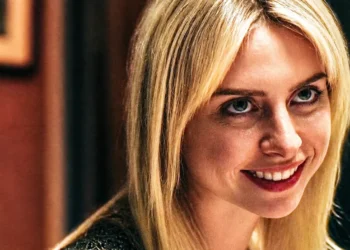
Jeanne Goursaud delivers a nuanced portrait of Marlene, balancing fierce maternal protectiveness with a genuine yearning to preserve the festive atmosphere. Her ability to shift from composed hostess to frazzled mediator anchors the film’s emotional core. Edin Hasanović matches her energy as Timo, imbuing the character with a charmingly reckless optimism that makes his obliviousness both funny and frustrating. The chemistry between Goursaud and Hasanović feels lived‑in; their exchanges crackle with the familiarity of siblings who know they can trade barbs and still share blood. Supporting turns—Sogol Faghani as Timo’s girlfriend Sofia and Heiner Lauterbach as the eccentric father Hans—add layers of quirkiness, though the screenplay occasionally leans on them to propel jokes rather than deepen the narrative.
Behind the Lens
Vanessa Jopp employs a clever flash‑forward opening that reveals the aftermath before rewinding to the party’s inception. This structural choice reframes viewer curiosity: instead of wondering if things will go awry, we watch how each decision nudges the celebration toward chaos. Cinematographer Bernhard Jasper captures the villa’s sun‑drenched interiors with a warm palette that contrasts sharply with the growing darkness of the conflicts. The editing rhythm accelerates as the farce intensifies, mirroring the characters’ loss of control. Ben Brooks’ script packs numerous satirical threads—gender expectations, class anxieties, emotional openness—into a relatively tight 86‑minute runtime. While this ambition fuels rapid‑fire jokes, it also dilutes the central toy‑gun motif, allowing secondary debates to overshadow the original catalyst. The sound design leans on playful underscoring during slapstick moments, then drops to sparse, tense tones during the more sincere exchanges, underscoring the film’s tonal seesaw.
Final Verdict
The Birthday Gift succeeds most when it focuses on the electric rapport between Jeanne Goursaud and Edin Hasanović. Their sibling dynamic supplies the film’s heart, transforming what could be a simple gag about a toy gun into a meditation on how past wounds color present interactions. The early arguments, rooted in genuine parental concern and personal ambition, are the highlight—sharp, relatable, and consistently engaging.
However, the movie’s attempt to tackle multiple societal topics within a short span leads to repetitive cycles of objection, indignation, and insult. As the farce expands—introducing snake entertainers, hallucinogenic mushrooms, and broader cultural jabs—the initial premise loses focus, and Theo’s hopeful quest for friendship recedes into the background. The final emotional turn, while earnest, feels rushed; the accumulated silliness undermines the weight the siblings’ reconciliation strives to carry.
Overall, The Birthday Gift offers an entertaining burst of sibling chemistry and situational comedy, bolstered by strong lead performances. Viewers seeking a lighthearted farce will enjoy the first half, but those hoping for a cohesive blend of humor and heart may find the latter portion overcrowded and uneven. If you appreciate sharp familial banter wrapped in a festive setting, the film is worth a watch—just brace yourself for a tone that swings as wildly as the party itself.