


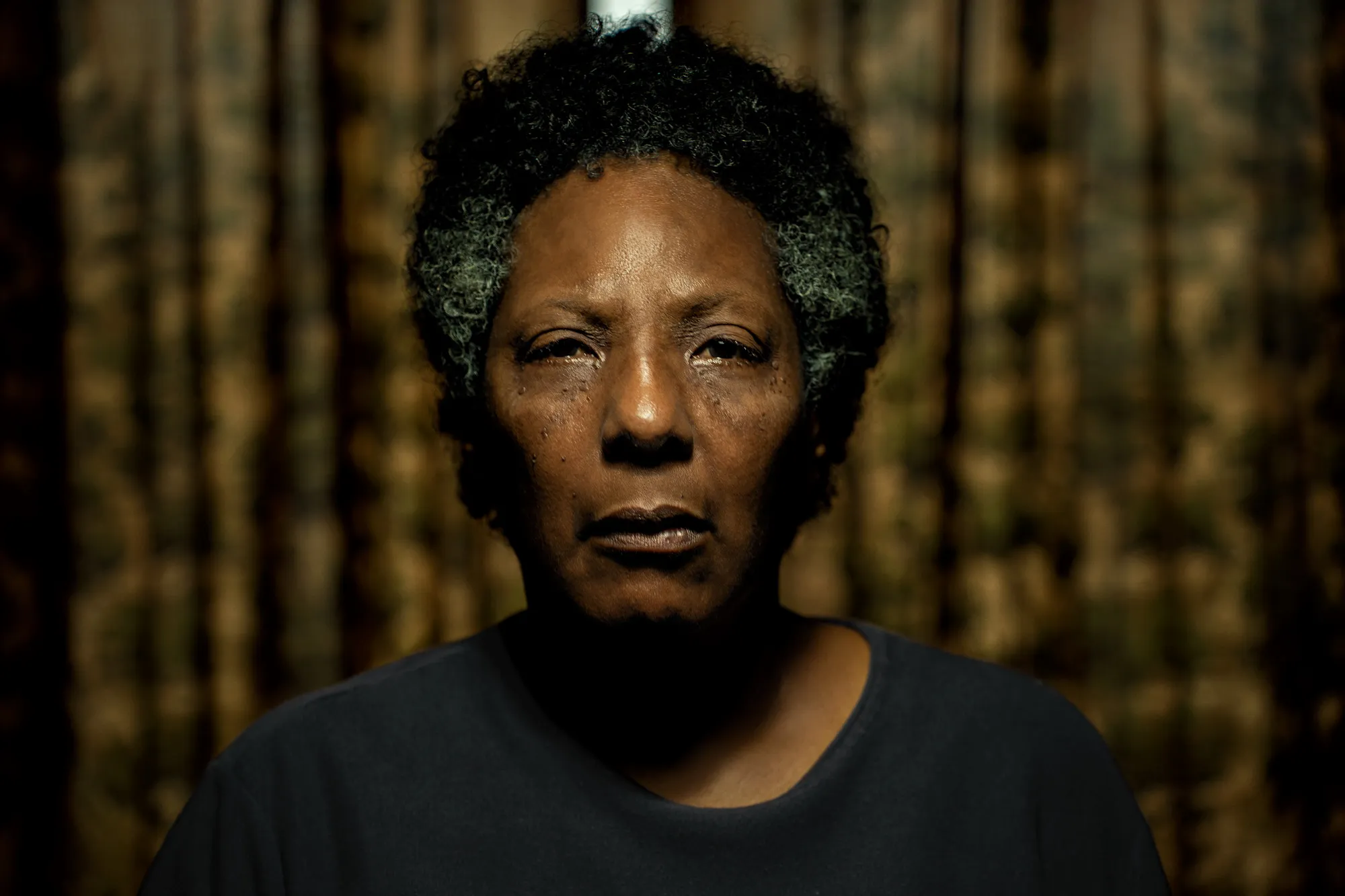
Netflix continues to broaden its international drama catalog with On Behalf of My Son, a Brazilian film written and directed by Gabriel Martins. With a runtime of two hours and twenty-eight minutes, the movie centers on Vicentina, portrayed with remarkable restraint by Rejane Faria, a mother navigating the wreckage of loss after her son Wesley dies in a bus accident. Rather than relying on melodramatic outbursts, the film examines how grief settles into everyday exchanges and heavy silences. This review unpacks why the story resonates as a delicate yet unflinching study of guilt, apology, and a mother’s unconditional love.
Synopsis
Vicentina’s world shatters when her forty-three-year-old son, Wesley, is killed in a bus collision that injures numerous other passengers. Compelled by an overwhelming sense of responsibility, she sets out to personally apologize to the victims and their families for her son’s alleged role in the tragedy. What begins as a mission of atonement gradually transforms into a private reckoning. As Vicentina listens to strangers recount their pain and confronts her own memories, she discovers that her apologies may say more about her unresolved guilt than about the accident itself. The narrative avoids tidy resolutions, instead following a mother as she attempts to make peace with a loss she cannot fully comprehend.
Performances
Rejane Faria anchors the film with a performance that speaks volumes through subtlety. She portrays Vicentina as a woman instinctively wired to care for everyone except herself, carrying an enduring sadness that never requires constant tears to be felt. Maíra Azevedo brings genuine warmth to the role of Joana, Vicentina’s friend, ensuring their bond never feels like a secondary plot point. Renato Novaes appears as Wesley, while Giovanni Venturini, Giovanna Heliodoro, Grace Passô, Marisa Revert, Fernanda Vianna, Clébia Sousa, Fábio Leal, and others populate the supporting landscape. Each performer contributes to a mosaic of grief, allowing the story to breathe through diverse reactions to loss and apology.
Behind the Lens
Gabriel Martins directs with a patient eye, refusing to manipulate the audience through a single emotional set piece. Instead, grief emerges in mundane conversations and uneasy pauses, giving the film a quiet authenticity. One particularly striking sequence involves the father of a victim named Nat Nat, whose inability to forgive Vicentina is both disturbing and understandable; the scene holds two suffering perspectives without declaring a victor. Another memorable moment features a man confessing complex feelings about an abusive past relationship, illustrating that tragedy can produce relief, guilt, and confusion all at once. The script also explores generational emotional unavailability through Fred, a character who knew Wesley better than his own mother did. Although the extended runtime occasionally tests patience, the deliberate pacing serves the material’s emotional weight.
Final Verdict
On Behalf of My Son is heartbreaking, intelligent, and beautifully performed. It does not offer easy explanations or the promise of forgiveness; rather, it acknowledges that nothing can be changed and that life continues after devastating loss. Viewers who appreciate restrained drama will find much to admire, even if the length demands endurance. Ultimately, the film leaves audiences with the assurance that love persists beyond death, making it a worthy addition to Netflix’s international drama roster.