


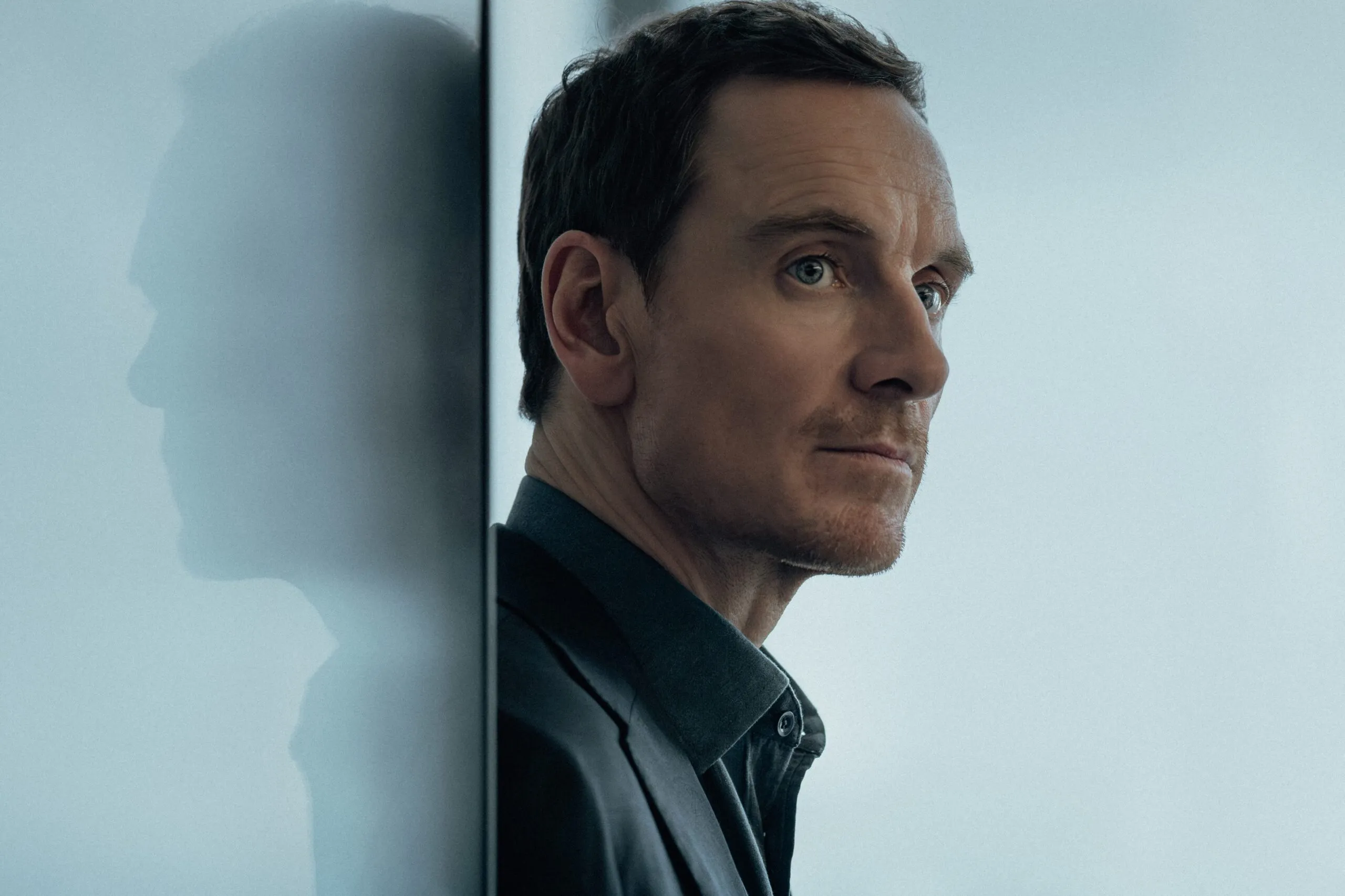
The Agency makes its highly anticipated return for season two, debuting all ten episodes exclusively on Paramount+ starting June 21, 2026. The political espionage thriller picks up threads that left audiences captivated in the inaugural season, diving deeper into the complex web of international intrigue that defines this premium cable offering. This sophomore installment addresses earlier narrative criticisms while amplifying the series’ distinctive approach to spycraft—one that transforms mundane administrative tedium into palpable tension. For enthusiasts of sophisticated thrillers seeking an alternative to conventional action-heavy formulas, this season delivers a masterclass in controlled suspense.
Synopsis
The narrative arc centers on Martian (Michael Fassbender), a deep-cover CIA operative whose circumstances have him effectively imprisoned within MI6’s London infrastructure. His continued service to James Richardson (Hugh Bonneville) serves as currency—trading his skills and anonymity to secure the release of Dr. Samia Zahir (Jodie Turner-Smith) from Sudanese imprisonment. This arrangement creates the season’s fundamental dramatic engine.
Season two fundamentally rectifies the first installment’s fragmented approach to storytelling. What previously read as disconnected case files now interweave seamlessly across the narrative fabric. Martian’s personal betrayal, Danny Morata’s (Saura Lightfoot-Leon) Tehran infiltration, and Valhalla’s mercenary operations no longer exist in isolation—they contaminate and inform one another, creating a richly layered conspiracy tapestry.
The series continues distinguishing itself through its conceptual framing: espionage reimagined as “managerial decay with passports” rather than the glamorous lifestyle fantasy popularized by other franchises. The CIA’s London Station emerges as a visual representation of institutional death—beige walls, sealed rooms, clipped conversations—where simple folder transfers generate genuine dread. Action sequences spanning Ukraine, Iran, London, and the Central African Republic provide necessary kinetic energy, yet the show’s genuine strength resides in depicting professionals attempting to maintain authority beneath fluorescent lighting.
Performances
Michael Fassbender delivers a masterfully restrained performance as Martian. Rather than externalizing emotion, he conveys panic through tightened jaws, delayed responses, and subtle physical tension. His working arrangement with Richardson generates the season’s sharpest moral complexity—a penetrating examination of how institutions systematically weaponize human intimacy.
The supporting ensemble demonstrates considerable strengthening. Saura Lightfoot-Leon as Danny Morata introduces human volatility to the Tehran plotline that previously lacked emotional depth. Jeffrey Wright’s Henry and Richard Gere’s Bosko offer contrasting institutional registers, adding dimensional complexity to the bureaucratic landscape.
Behind the Lens
The creative team’s decision to visualize intelligence work as corporate tedium with lethal consequences represents bold thematic positioning. By emphasizing the mundane aspects of spycraft—endless paperwork, beige office environments, procedural rigidities—the production distinguishes itself within an oversaturated genre. The action sequences, while competently executed, serve as punctuation marks rather than narrative anchors.
The binge-release model proves advantageous for the intricate narrative architecture, allowing viewers to trace the interconnected plot threads without weekly interruption. However, this approach carries inherent risks—transforming carefully constructed tension into passive content consumption.
Final Verdict
The Agency season two successfully addresses structural criticisms while amplifying its distinctive thematic identity. Minor quibbles persist: Dr. Samia Zahir receives limited screen time, reducing her to a plot device serving Martian’s crisis, and occasional operational exposition overload weighs heavily on certain episodes. These drawbacks prove negligible against the season’s broader achievements.
For audiences seeking sophisticated adult entertainment that rejects superhero aesthetics in favor of genuine seriousness, The Agency represents essential viewing. This series exemplifies a growing wave of mature thrillers unwilling to apologize for their complexity.
Also Read:
“The Agency” Season 2: Michael Fassbender Makes His Highly Anticipated Return to the Spy Thriller