


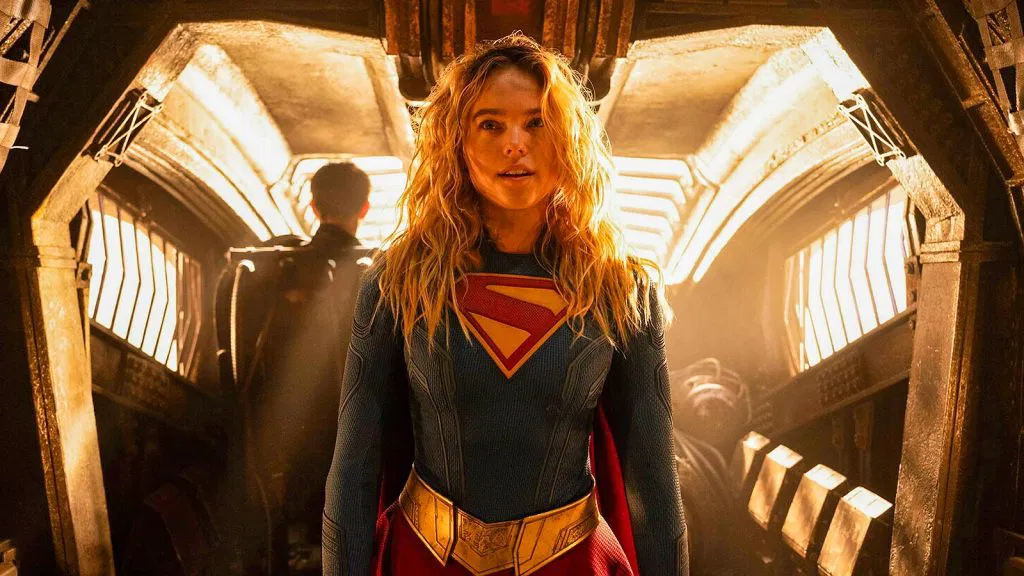
The cinematic world is once again graced with the presence of Supergirl, specifically in the latest offering Supergirl (2026), featuring Milly Alcock in the iconic role. As a character with a storied past in comic books and popular culture, Kara Zor-El has transcended time and media, from her debut in Action Comics #252 in 1959 to various television adaptations, including the well-known Supergirl series starring Melissa Benoist. This latest iteration draws inspiration from the eight-issue comic series Supergirl: Woman of Tomorrow by Tom King, Bilquis Evely, and Matheus Lopes, and attempts to forge a new path for this beloved character.
Synopsis
Supergirl (2026) begins with Kara Zor-El celebrating her birthday in the vastness of space, seeking normalcy under red suns where she can indulge in earthly pleasures like drinking. Her revelry takes a turn when she encounters Ruthye (Eve Ridley), a young girl seeking vengeance against Krem, a man responsible for her family’s demise. Initially hesitant, Kara’s motivation shifts after Krem poisons her loyal companion, Krypto, driving her to confront him. Throughout their journey, they cross paths with the infamous bounty hunter Lobo, portrayed by Jason Momoa, unveiling a blend of cosmic adventure and personal stakes.
Performances
Milly Alcock delivers a commendable performance as Kara Zor-El, infusing the character with a refreshing perspective. She embodies a young woman grappling with her identity and the weight of her past, offering depth through her portrayal of survivor’s guilt. Alcock’s emotional range captivates, allowing viewers to connect with her struggles. However, the film falls short of featuring her in the classic Supergirl suit until the climax, which may leave some fans wanting more.
Jason Momoa’s interpretation of Lobo brings a vibrant energy to the film, showcasing his enthusiasm for the role. Although his characterization shines, the script does not offer enough substance to fully explore his character, leaving audiences wanting more depth. Eve Ridley presents a solid performance as Ruthye; however, her character feels somewhat one-dimensional given the film’s perspective shift, lacking the complexity found in the source material.
Behind the Lens
Directed by Craig Gillespie, Supergirl attempts to balance action with thematic elements of family, loss, and hope. The action sequences are visually striking and well-executed, showcasing impressive choreography that adds excitement to the film. Yet, the storytelling is hindered by a slow pacing that meanders through unengaging moments, particularly in the early scenes, leading to an inconsistent narrative. The decision to deviate from the source material arguably dilutes the film’s impact, making it feel longer and more predictable as it progresses.
Final Verdict
In summary, Supergirl (2026) presents an engaging premise with strong performances from its leads, particularly Alcock as a multifaceted Kara Zor-El. However, the film grapples with slow pacing and a somewhat underdeveloped villain, resulting in an uneven cinematic experience. While it delivers moments of excitement and heart, the inconsistency may limit its long-term appeal, positioning it as a one-time viewing rather than a classic. Warner Bros. Pictures released Supergirl in theaters on June 26, 2026, with a PG-13 rating due to intense violence, action sequences, language, and smoking.
Also Read:
“Supergirl” Steps Out of Superman’s Shadow in First DCU Teaser
“Supergirl” Trailer Rumored for December Drop Alongside New Casting News