


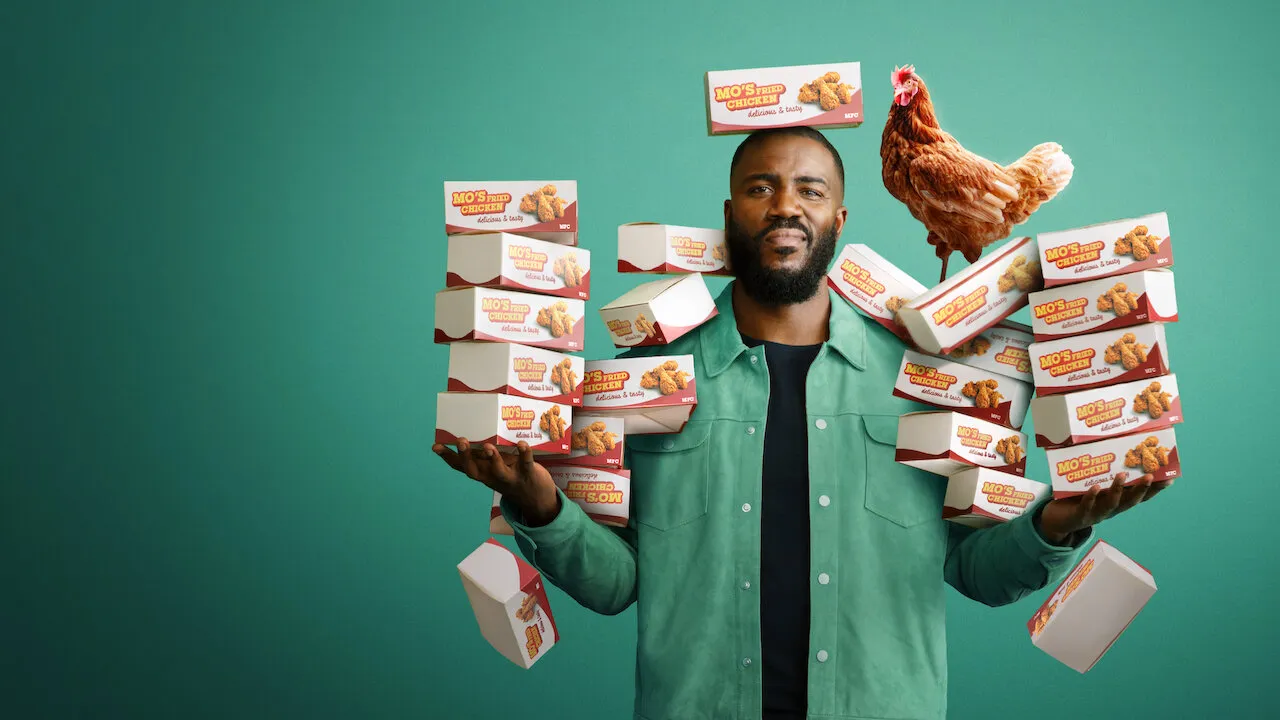
Netflix’s documentary Big Chicken: A Fast Food Conspiracy follows comedian Mo Gilligan as he embarks on a daring culinary stunt: eating fried chicken for every meal—breakfast, lunch, and dinner—for twenty‑eight consecutive days. Directed by Liana Stewart, the film stretches over one hour and thirty‑eight minutes, weaving humor, personal reflection, and hard‑hitting investigative journalism into a single narrative. Alongside Mo’s personal experiment, the documentary brings in food scientists, environmental experts, activists, and industry workers to paint a comprehensive picture of the global fried‑chicken machine.
The Experiment: From Fun to Fact‑Finding
At the outset, Mo approaches the challenge with palpable enthusiasm. His lifelong affection for fried chicken—rooted in family gatherings and comfort food memories—makes the idea of a chicken‑centric diet seem like a light‑hearted gag. However, as the days accumulate, the novelty fades. Physical changes become noticeable; energy levels dip, and Mo’s mood shifts from buoyant to subdued. This gradual transformation serves as the documentary’s backbone, turning a seemingly whimsical stunt into a sobering exploration of what ultra‑processed food does to the human body.
Mo Gilligan’s Personality: The Engine Behind the Film
Mo’s charismatic presence is arguably the film’s strongest asset. His natural humor keeps viewers engaged even when the subject matter grows grim. Yet, as the experiment progresses, his comedy gives way to genuine vulnerability. The candid moments where Mo confronts fatigue, irritability, and emotional turbulence are not staged for effect; they emerge organically, lending credibility to the film’s message. By allowing his own reactions to drive the narrative, Mo transforms a personal challenge into a relatable lens through which audiences can examine broader societal issues.
Health, Mood, and the Science of Ultra‑Processed Foods
The documentary does not claim that occasional fried‑chicken consumption is inherently harmful. Instead, it highlights how the exaggerated, 28‑day regimen amplifies the effects of a diet dominated by heavily processed items. Experts explain how the combination of high fat, salt, and sugar triggers reward pathways in the brain, creating cycles of brief satisfaction followed by crashes. Mo’s on‑screen decline—marked by lethargy and mood swings—visually reinforces these scientific points, making the link between nutrition, energy, and emotional wellbeing unmistakable for the viewer.
Behind the Scenes: Farming, Factories, and Human Cost
Midway through the film, Mo shifts focus from his plate to the supply chain. In the United Kingdom, he visits poultry farms, uncovering environmental strains caused by the relentless demand for cheap meat. The narrative then crosses the Atlantic to the United States, where the spotlight lands on processing‑plant workers. Allegations surface regarding grueling shifts, denied bathroom breaks, and workers resorting to wearing nappies to cope with inadequate facilities. The documentary also raises concerns about child labor, underscoring the human price attached to low‑cost fast food. These revelations transform the viewer’s perception of a simple chicken nugget into a complex ethical dilemma.
Cultural Commentary: Race, Stereotype, and Representation
One of the most thought‑provoking segments addresses the cultural stereotype linking Black identity with fried‑chicken consumption. Mo acknowledges that audiences might pigeonhole him based on this trope, yet he chooses to confront it head‑on rather than evade it. By openly discussing the stereotype, the film expands the conversation beyond nutrition, framing fried chicken as both a culinary staple and a cultural symbol that can be misappropriated or misunderstood. This nuanced approach enriches the documentary, demonstrating how food intersects with identity and media representation.
Critiques and Limitations
While Big Chicken: A Fast Food Conspiracy succeeds in many areas, it is not without shortcomings. Certain facts presented—such as the environmental impact of poultry farming—have been covered in prior documentaries, potentially reducing the sense of novelty for seasoned viewers. Additionally, the film could delve deeper into socio‑economic factors that cement fast food’s dominance in everyday life, such as urban food deserts or marketing strategies aimed at low‑income communities. A more exhaustive analysis of these drivers would strengthen the argument that systemic change, not just individual choice, is required.
The Verdict
Overall, Big Chicken: A Fast Food Conspiracy stands out as an engaging, thought‑provoking documentary that balances humor with hard‑hitting reality. Mo Gilligan’s willingness to subject himself to an extreme dietary experiment provides a relatable entry point for audiences to grapple with complex issues surrounding health, industry practices, and cultural perception. Directed by Liana Stewart, the film leverages Mo’s comedic talent to make serious topics accessible without diminishing their urgency. For anyone curious about the hidden costs of a beloved comfort food, this Netflix offering delivers a compelling, eye‑opening experience that lingers long after the credits roll.