

Setting the Stage
The landscape of eco‑activist cinema has shifted dramatically over the last twenty years. From An Inconvenient Truth to newer climate‑focused projects, audiences have been saturated with data, forecasts, and urgent calls to action. Yet the challenge remains: how do filmmakers present a story that feels fresh when the core message—climate change is real and dangerous—has already been told countless times? Gaslit attempts exactly that by grounding a global issue in the intimate lives of people living on the front lines of America’s energy expansion.
What Gaslit Is About – Storyline and Scope
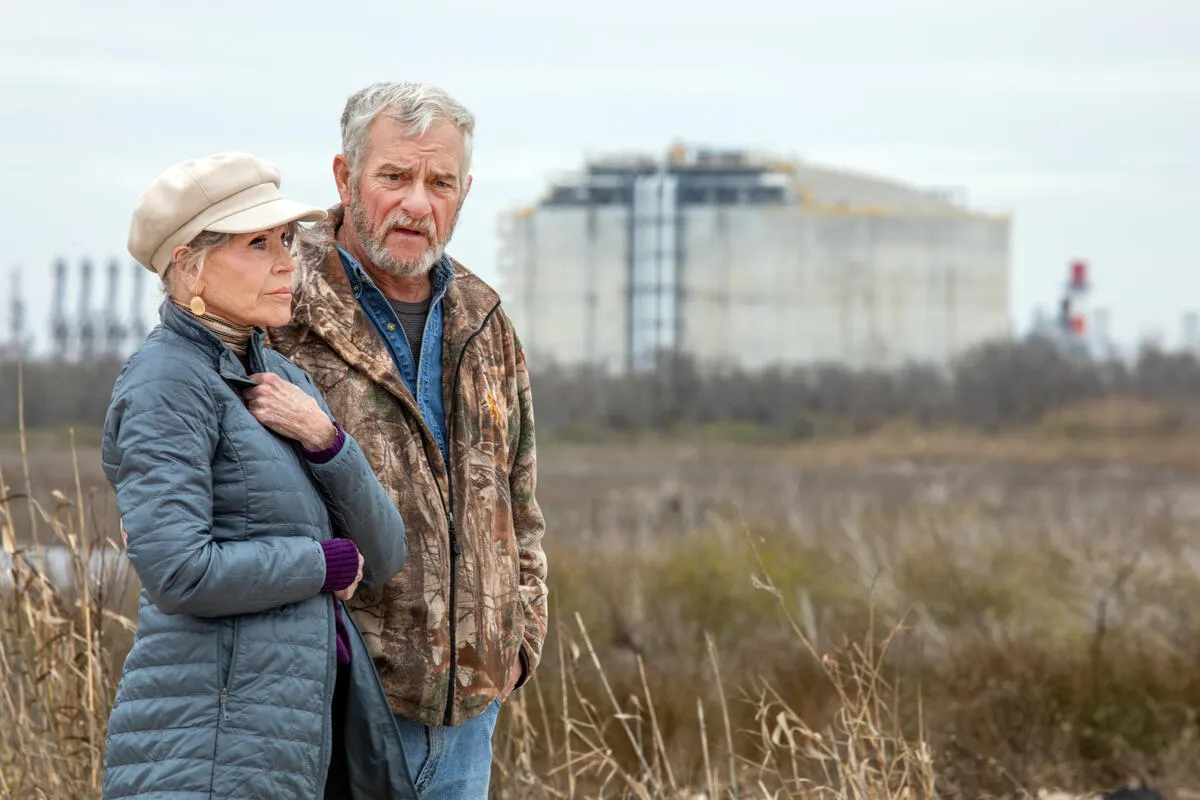
Directed by Katie Camosy, Gaslit follows Academy Award‑winner Jane Fonda as she travels across the oil‑rich Permian Basin of West Texas and the Gulf Coast of Louisiana. The documentary weaves together interviews with shrimpers, ranchers, former oil workers, faith leaders, and local residents who share how rapid fossil‑fuel development has reshaped their daily existence. By centering on real people rather than statistics, the film turns abstract policy debates into concrete, human narratives.
Jane Fonda’s Role – The Activist as Guide
At 88, Jane Fonda remains a dynamic and empathetic guide. Her lifelong commitment to activism—evidenced by a past jail stint on her 82nd birthday for climate protests—infuses the documentary with credibility and passion. Rather than positioning herself as the story’s sole hero, she steps back and lets the communities speak. This choice amplifies the voices of those directly affected, while still providing a familiar, trustworthy figure to lead viewers through complex emotional terrain.
Communities on the Front Lines – Voices from Texas and Louisiana
The film visits a cross‑section of backgrounds: conservative ranchers, progressive environmental advocates, religious leaders, and small‑business owners. Each interview reveals a shared tension between economic opportunity and environmental risk. Viewers see how the boom in liquefied natural gas (LNG) exportation brings jobs, yet simultaneously threatens air quality, water sources, and public health—especially in regions labeled “Cancer Alley” between New Orleans and Baton Rouge. By highlighting these overlapping concerns, Gaslit transcends partisan rhetoric and emphasizes common ground.
Cinematography and Visual Storytelling
Visually, the documentary is striking. Sweeping shots of the Permian Basin’s endless oil rigs contrast with the tranquil wetlands of the Gulf Coast, illustrating the clash between industrial ambition and natural beauty. The cinematography captures the sheer scale of the energy sector while subtly reminding audiences of the human lives that exist in its shadow. Subtle animations and archived footage of a young Jane Fonda discussing her early environmental worries add depth, and occasional behind‑the‑scenes moments show Fonda’s emotional reactions to the realities she witnesses.
Emotional Weight and Narrative Approach
Instead of relying heavily on charts and scientific jargon, Gaslit leans on personal testimony. This approach makes the climate crisis feel immediate and relatable. Viewers connect with individuals whose livelihoods depend on the land and water, and the film’s emotional punches—poverty amid massive investment, cancer clusters, polluted beaches—leave a lasting impression. The pacing can feel heavy at times, but that weight underscores the urgency of the issues being explored.
Limitations – Solutions and Balance
While the documentary excels at depicting problems and amplifying community concerns, it offers limited insight into the practical complexities of transitioning away from fossil fuels. The film highlights the economic dependency on oil and gas but does not delve deeply into policy pathways or technological alternatives. Additionally, the perspective leans more toward critics of the industry, potentially leaving viewers seeking a balanced policy debate wanting more varied viewpoints.
Why Gaslit Matters
Gaslit transforms a global challenge into a personal call to action. By focusing on everyday people facing the consequences of energy decisions, it makes the abstract feel tangible. Whether you agree with every argument presented or not, the documentary is engaging, thought‑provoking, and anchored by Jane Fonda’s unwavering commitment and the powerful voices of those she meets.
In a crowded field of environmental documentaries, Gaslit stands out by humanizing the statistics and demanding that audiences consider who truly pays the price for our energy choices. It is not merely a film to watch; it is a catalyst for awareness and, ultimately, change.
The Jane Fonda‑led documentary Gaslit is now showing in a limited theatrical run in select U.S. cities, and it will soon be available for streaming on digital platforms worldwide.