


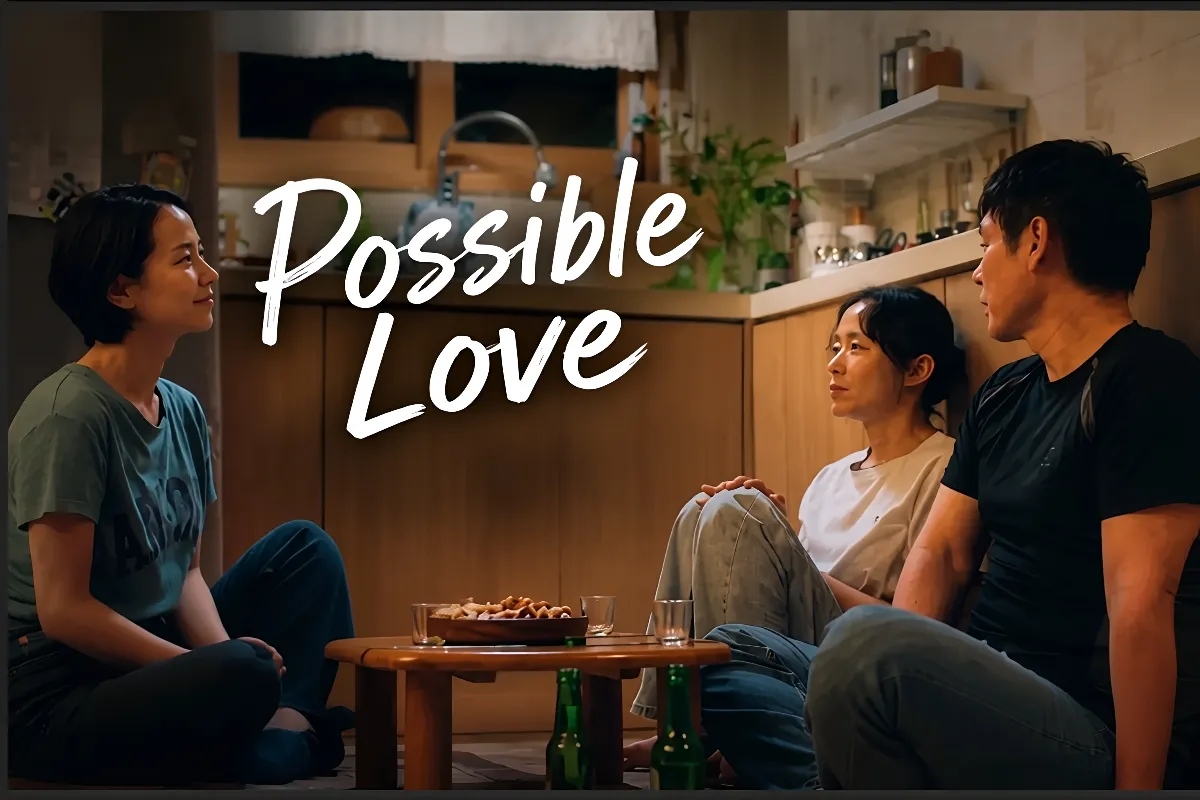
Lee Chang‑Dong’s latest feature, Possible Love, arrives on Netflix as a slow‑burn meditation that disguises itself behind a romantic title while delivering a sharp commentary on South Korea’s socioeconomic divide. Marketed as a love story, the film instead unfurls as an austere portrait of two families whose lives intersect through art, ambition, and unspoken yearning. For viewers who appreciated the lingering tension of Burning and the meticulous framing of Decision to Leave, this new offering feels both familiar and unsettlingly fresh.
Synopsis
Mi‑Ok and Ho‑Seok constitute a working‑class household raising their young son, Cheol. After Ho‑Seok is abruptly stripped of his job—a trauma that leaves him emotionally withdrawn—the family struggles to maintain dignity amid mounting financial pressure. Across town, Ye‑Ji, an affluent documentary filmmaker married to the wealthy Sang‑Woo, becomes fascinated with Ho‑Seok’s plight and proposes a film that would chronicle his experience. As Ye‑Ji embeds herself in Mi‑Ok’s daily life, the camera captures subtle power shifts, quiet resentments, and the yearning each character harbours for a life beyond their current station. The narrative never spells out a tidy resolution; instead, it invites the audience to sit with the discomfort of unmet desire and the quiet resistance of those rendered invisible by capitalist structures.
Performances
Jeon Do‑yeon delivers a nuanced portrayal of Mi‑Ok, balancing maternal strength with a fragile vulnerability that makes every glance feel weighted. Her ability to convey restrained emotion without melodrama anchors the film’s emotional core. Sul Kyung‑gu, as Ho‑Seok, embodies a man fractured by systemic neglect; his performance oscillates between stoic silence and sudden, aching outbursts, capturing the interiority of PTSD with startling authenticity. The child actor Jung Seol, tasked with the role of Cheol, navigates the delicate terrain of innocence tinged with awareness, offering a poignant counterpoint to the adult turmoil.
Supporting turns by the actors portraying Ye‑Ji and Sang‑Woo further enrich the tableau, each adding layers to the film’s exploration of privilege and empathy. Together, the cast transforms a seemingly simple premise into a study of human resilience under socio‑economic strain.
Behind the Lens
Chang‑Dong’s signature aesthetic is evident throughout: languid takes, carefully composed frames, and a colour palette that juxtaposes the muted tones of the working‑class neighbourhood with the crisp, almost clinical brightness of Ye‑Ji’s world. The film frequently echoes the visual poetry of Krzysztof Kieślowski’s Dekalog series—specifically the tenth commandment, “Thou shalt not covet”—which flashes briefly onscreen, urging viewers to consider the moral undercurrents driving the narrative.
While the pacing recalls the atmospheric tension of Burning, the cinematography leans into a almost thriller‑like sensibility, using tight close‑ups and lingering shots on mundane objects (a worn shoe, a gleaming car interior) to amplify thematic concerns. This blend of arthouse restraint and subtle suspense creates a viewing experience that feels both contemplative and uncomfortably intimate.
Final Verdict
Possible Love resists easy categorization. It is neither a conventional romance nor a outright thriller; instead, it is a slow‑burning social critique wrapped in exquisite visual craftsmanship. The film’s 2‑hour‑44‑minute runtime demands patience, yet the reward lies in the lingering questions it poses about class, desire, and the ethics of representation. For audiences willing to engage with a work that trusts them to sit with ambiguity, the movie offers a richly layered experience that stays with you long after the credits roll.
Recommended for viewers who appreciate auteur‑driven cinema and are comfortable with a deliberate, thoughtful pace.
Also Read:
Lee Chang Dong Makes Triumphant Return to Venice as “Possible Love” Wins Historic Silver Lion
“Possible Love” Trailer Drops: Netflix Reveals South Korea’s 2026 Oscar Contender