


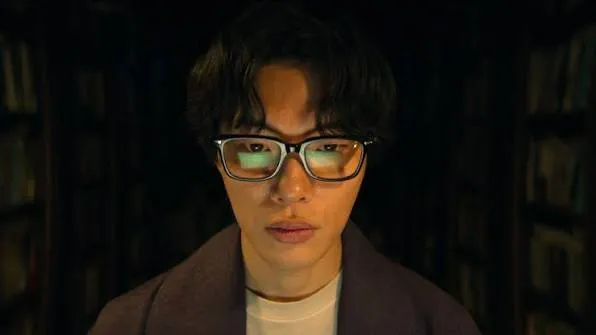
Netflix’s latest Korean offering, Mousetrap, arrives with a premise that feels ripped from today’s headlines: a man wakes up to discover his name, finances, and legal existence have vanished overnight. The series leans into a modern anxiety that many viewers can relate to—the terror of becoming invisible in a world that suddenly refuses to recognize you. From the opening frame, the show hooks you with a stark, sterile visual language that mirrors its protagonist’s isolated existence. While the concept promises a razor‑sharp thriller, the execution delivers a mix of gripping moments and frustrating lulls, making it a worthwhile watch for fans of character‑driven mysteries, albeit with reservations about pacing.
Synopsis
Je Moon‑jae, a reclusive mystery novelist living in a high‑rise Seoul apartment, leads a meticulously ordered life built on routine and control. When his smartphone refuses his fingerprint and his sole confidant disappears, he realizes an elusive figure known only as “The Rat” has stolen his identity, erading his bank accounts, legal documents, and social presence. Forced out of his comfort zone, Moon‑jae must team up with a reluctant former enforcer to untangle a bureaucratic conspiracy that threatens to keep him permanently erased. The series follows their uneasy alliance as they navigate shadowy corridors of power, confronting both external threats and internal fears.
Performances
Ryu Jun‑yeol delivers a standout portrayal of Moon‑jae, capturing the character’s meticulous anxiety and sudden vulnerability with a rawness that feels authentic rather than theatrical. His ability to convey social discomfort through subtle gestures—tightened shoulders, averted glances—makes the protagonist’s disorientation palpable.
Sul Kyung‑gu matches this intensity as No‑ja, the hardened enforcer turned reluctant investigator. His pragmatic menace provides a perfect counterbalance to Moon‑jae’s fear, and the friction between the two drives the show’s most compelling scenes. Their partnership never feels forced; instead, it evolves from mutual desperation into a grudging respect that anchors the narrative. Supporting turns, especially Lee Kyu‑hyung as a dogged detective, add texture without pulling focus from the central duo.
Behind the Lens
Director Kim Hong‑sun, known for slick, propulsive genre work, brings his signature polish to Mousetrap. The series’ visual language leans heavily into cold, sterile environments—gleaming apartments, anonymous offices, and stark hallways—that echo Moon‑jae’s detached psyche before his world collapses. This aesthetic choice reinforces the theme of identity loss without resorting to heavy‑handed symbolism.
The adaptation of the webtoon Field Mouse retains the source’s core intrigue while allowing room for cinematic expansion. Editing, however, reveals the series’ Achilles’ heel: mid‑season episodes linger on repetitive investigative beats, causing the momentum to dip. When the conspiracy finally unravels, the payoff rewards attentive viewers who enjoy piecing together clues, showcasing a respect for the audience’s intelligence even as pacing falters in places.
Final Verdict
Mousetrap succeeds as a thought‑provoking thriller anchored by two strong lead performances and a visually striking, thematically coherent direction. The premise taps into a contemporary dread that feels both timely and universal, and the central mystery offers enough clever twists to satisfy puzzle‑enthusiasts. Unfortunately, the show’s middle section drags, undermining the tension it works so hard to build earlier. Despite this, the latter half regains urgency, delivering a conclusion that feels earned rather than exhausted.
Overall, Mousetrap is a smart, well‑acted thriller that would have hit even harder with a tighter edit—worthy of a watch, but best approached with patience for its slower stretches.