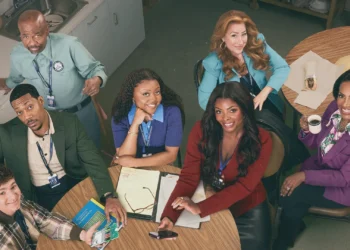



When a series manages to blend classic whodunit mechanics with a lead character who feels both timeless and refreshingly quirky, the result is a viewing experience that lingers long after the credits roll. Elsbeth Season 4 continues to prove that Carrie Preston’s portrayal of the endearing, scatter‑brained detective is not just a nostalgic nod to Columbo‑era mysteries but a forward‑looking showcase of neurodiverse brilliance on network television. This review unpacks why the latest installment remains a standout pleasure for both procedural fans and those seeking character‑driven storytelling.
Synopsis
The fourth season follows Elsbeth Tascioni as she navigates a fresh slate of puzzling crimes while deepening her personal ties in New York. After reconciling with Captain Wagner, Elsbeth balances her investigative prowess with evolving family dynamics—supporting her son Teddy’s upcoming wedding, managing a budding romance with Alec Bloom, and confronting the lingering influence of her ex‑husband. Meanwhile, a corrupt judge portrayed by Michael Emerson threatens to derail her progress, forcing Elsbeth to rely on her signature blend of sunny optimism and razor‑sharp intuition. The season preserves the show’s inverted‑mystery format, letting viewers know the perpetrator early on and focusing the suspense on how Elsbeth out‑thinks them.
Performances
Carrie Preston anchors the series with a performance that feels both effortless and meticulously crafted. Her Elsbeth oscillates between infectious cheerfulness and penetrating insight, turning each interaction into a masterclass in subtle comedy and psychological acuity. Preston’s ability to convey hyperfocus, rapid associative thinking, and impulsive spontaneity without resorting to caricature affirms the character’s neurodiverse resonance.
Michael Emerson’s turn as the duplicitous judge adds a deliciously sinister counterpoint; his measured menace creates a palpable tension whenever he shares the screen with Preston. Wendell Pierce returns as Captain Wagner, offering a grounded foil whose loyalty and occasional exasperation highlight Elsbeth’s unconventional methods. Ivan Hernandez as Alec Bloom brings warmth and sincerity to the romantic subplot, while Ben Levi Ross and Hayward Leach imbue Teddy’s wedding storyline with genuine familial charm. The ensemble’s chemistry ensures that even the lighter moments feel earned, reinforcing the show’s balance of procedural rigor and heartfelt humanity.
Behind the Lens
Creators Robert and Michelle King continue to demonstrate their knack for crafting intellectually sharp, genre‑bending television. Building on the success of The Good Wife, Evil, BrainDead, The Good Fight, and the recent Cupertino, the Kings infuse Elsbeth with a distinctive narrative rhythm: the inverted mystery structure borrowed from classic Colombo episodes, paired with a modern sensibility that embraces neurodiversity as a strength rather than a gag.
Cinematography leans into warm, inviting palettes that mirror Elsbeth’s sunny disposition, while the editing tempo shifts deliberately—slowing during her investigative revelations and quickening during chase‑like exchanges. The score, subtle yet evocative, underscores the whimsical undertones without overwhelming the dialogue‑driven scenes. Notably, the writing team allows Preston to improvise within the scripted framework, giving her space to tune Elsbeth’s eccentricities “like a guitar,” as the review’s original source noted, resulting in performances that feel freshly calibrated each week.
Final Verdict
Elsbeth Season 4 sustains the series’ reputation as one of television’s most distinctive pleasures. By marrying a time‑honored inverted‑mystery format with a lead character whose quirks are portrayed with authenticity and affection, the show delivers both intellectual satisfaction and emotional warmth. Carrie Preston’s masterful, nuanced performance remains the beating heart of the series, proving that a detective can be simultaneously delightfully offbeat and profoundly insightful. For viewers who crave smart procedurals that never sacrifice character depth, this season is an unmissable addition to the small‑screen landscape.