


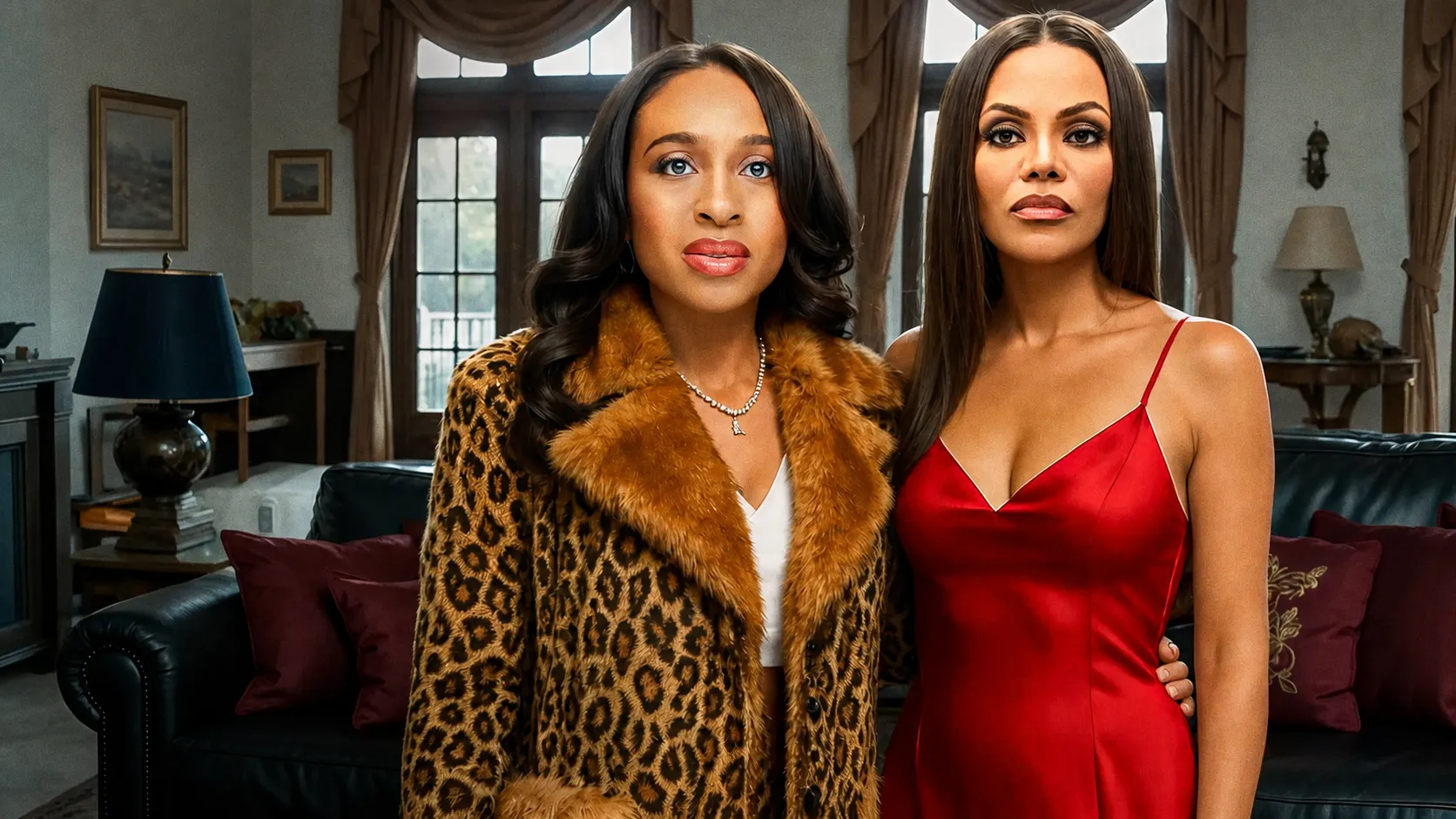
Tyler Perry’s Beauty In Black has cultivated a reputation for high‑octane family drama, and its third installment arrived on Netflix with considerable anticipation. Marketed as a continuation of the Bellarie clan’s tumultuous journey, the season promised to deepen existing conflicts while setting the stage for a conclusive fourth chapter. However, after watching the eight‑episode run, many viewers—including this critic—are left questioning whether the series has maintained the visceral energy that defined its first two outings or if it has slipped into filler territory. This review examines the season’s narrative core, the cast’s efforts, behind‑the‑scenes choices, and ultimately decides whether the show still merits a spot on your watchlist.
Synopsis
Beauty In Black follows the Bellarie family, a wealthy African‑American household whose external glamour masks internal strife. The third season picks up with the family split between incarceration and covert scheming, as alliances shift and long‑buried resentments surface. While individual characters grapple with personal demons—ranging from identity crises to moral compromises—the overarching tension hinges on whether the Bellaries can reconcile their fractured loyalties before external forces tear them apart entirely. The storyline weaves together courtroom drama, corporate intrigue, and intimate moments of betrayal, all set against the opulent backdrop that has become the series’ visual signature.
Performances
The ensemble delivers a mixed bag of results. The actors portraying Kimmie and Mallory, Taylor Polidore Williams and Crystle Stewart manage to convey a budding friendship that feels genuine, even if the rapid development leaves little room for emotional depth. Their chemistry provides the season’s most relatable anchor, allowing viewers to invest in a connection that feels earned despite the surrounding chaos.
Conversely, the portrayal of Rain by Amber Reign Smith veers into caricature; her transformation lacks nuance, making her descent difficult to sympathize with. Steven G. Norfleet as Charles, on the other hand, receives the most substantive material, and the actor entrusted with his role navigates a complex arc that oscillates between despair and fleeting resolve. The supporting cast, while competent, often finds themselves relegated to reaction shots, which limits their ability to leave a lasting impression. Overall, the performances are sincere but uneven, reflecting the script’s inconsistent focus.
Behind the Lens
From a production standpoint, Beauty In Black retains the glossy aesthetic that has become its trademark. Cinematography favors rich, saturated colors that underscore the family’s affluence, while lighting shifts effectively to mirror mood changes—darker hues during confrontations, brighter tones during fleeting moments of camaraderie. The set design continues to lavish attention on luxurious interiors, reinforcing the show’s theme of wealth as both sanctuary and prison.
However, the pacing betrays the series’ usual vigor. Episodes frequently linger on expository dialogue that could have been trimmed, resulting in stretches where little forward momentum is felt. The editing occasionally feels hesitant, as if the creators were reluctant to commit to decisive plot beats, perhaps to preserve material for the promised fourth season. This cautious approach undermines the tension that once propelled the narrative forward, leaving the season feeling more like a bridge than a destination.
Final Verdict
Beauty In Black Season 3 strives to honor the franchise’s legacy of intense family drama but falls short of delivering the sustained excitement that defined its earlier chapters. The show’s strongest asset remains the tentative bond between Kimmie and Mallory, which offers a glimpse of emotional authenticity amidst the spectacle. Yet, the season’s overreliance on setup for a future finale, coupled with uneven character development and a noticeably slower rhythm, dilutes its impact.
For dedicated fans invested in the Bellarie saga, the installment provides enough connective tissue to warrant a watch, though expectations should be tempered. Casual viewers seeking the high‑stakes, pulse‑pounding drama that made the first two seasons compulsive viewing may find this chapter lacking.
Also Read:
“Beauty in Black” Season 2 Review: A Case of Ambition Outpacing Its Story