


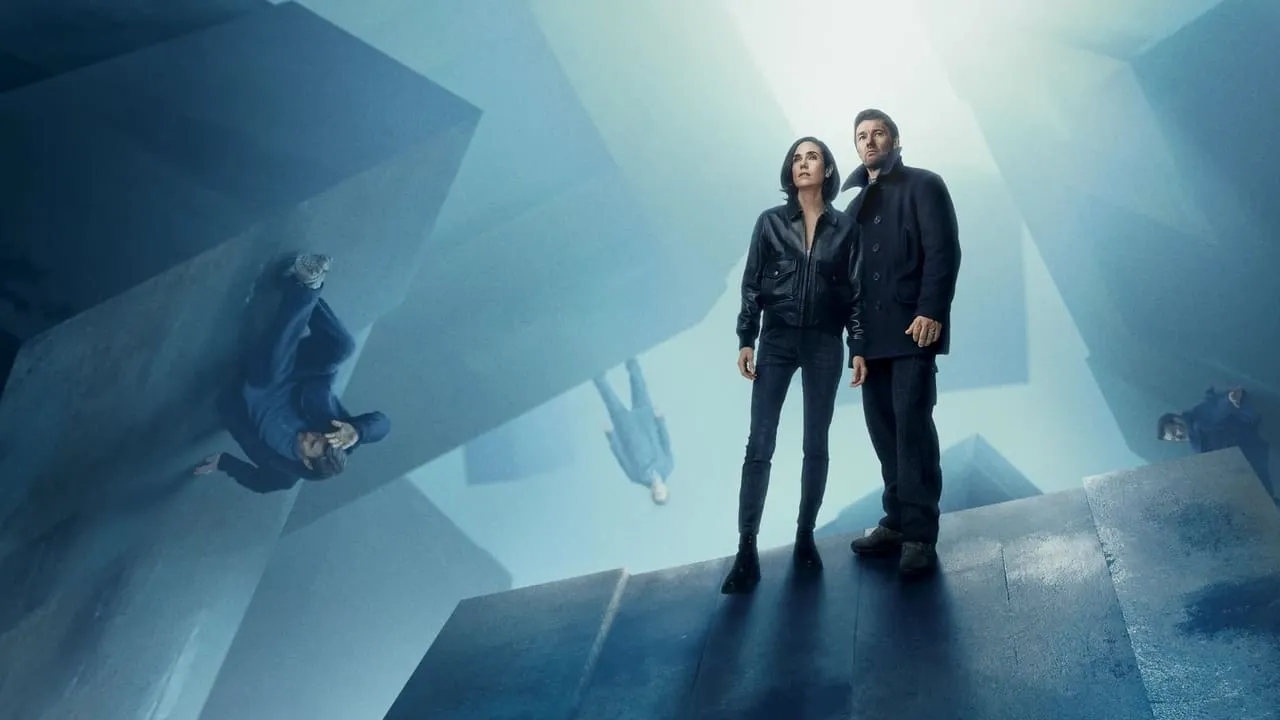
Apple TV+’s sci‑fi thriller Dark Matter returned for a second season on August 28, 2026, dropping new episodes every Friday. The series continues to follow Jason Dessen and his loved ones as they scramble through a tangled web of parallel realities after the multiverse invasion of season 1. While the premise expands outward—introducing fresh versions of familiar faces, competing agendas, and moral quandaries about the reality‑shifting Box—the core question remains: can genuine human connection survive when every choice spawns another world? This review unpacks how season 2 balances its sprawling ambition with the intimate moments that give the show its emotional punch.
Synopsis
After narrowly escaping a catastrophic collapse of their original timeline, Jason, his wife Daniela, and their son Charlie settle into a seemingly safe alternate Chicago. Their hard‑won peace shatters when a rival version of Jason forces the family back onto the run, launching a frantic search for sanctuary across countless worlds. Along the way, each character confronts personal dilemmas: Jason rekindles a bond with his Deaf mother through sign language, Daniela grapples with the uncanny return of a deceased father, and supporting figures like Amanda, Ryan, Leighton, and Blair pursue their own visions of utopia—or survival. The season weaves these threads together, continually asking whether the Box is a tool of wonder or a weapon of exploitation, while the narrative constantly shifts focus between sprawling multiversal politics and quiet, character‑driven scenes.
Performances
Joel Edgerton delivers a nuanced portrayal of the displaced Jason, allowing the actor to explore vulnerability without relying on exposition-heavy dialogue. His scenes with Ellie (played with quiet strength by a talented deaf actress) use sign language to convey emotion, making silence a powerful narrative device. Jennifer Connelly shines as Daniela, capturing the brittle hope and guarded sorrow that arise when she meets a living version of her lost father; her performance hinges on subtle pauses and facial nuance rather than melodrama.
The supporting cast—Amanda (portrayed with fierce determination), Ryan (bringing a grounded optimism), Leighton (oscillating between idealism and ruthlessness), and Blair (whose ambition simmers beneath a calm exterior)—each provide distinct flavors that enrich the ensemble. The actors succeed in giving weight to even the briefest exchanges, proving that the series’ strength lies in its ability to make every version of a character feel emotionally resonant despite the constant shifting of realities.
Behind the Lens
Creator Blake Crouch’s novel laid the groundwork, but the television adaptation expands the mythology with fresh visual language. The show’s cinematography alternates between sleek, high‑tech labs housing the Box and warm, intimate interiors—such as the bookstore where Jason and Maria share quiet moments—highlighting the contrast between cold scientific ambition and human tenderness.
Sound design deserves particular note: the use of ambient silence in sign‑language sequences amplifies the emotional texture, while the multiversal jumps are underscored by a low, resonant hum that signals reality shifts without over‑explaining them. Direction maintains a brisk pace during chase‑heavy episodes yet slows to a deliberate crawl for character‑centric installments (notably episode 5), allowing the audience to breathe alongside the protagonists. The writing team skillfully balances dense exposition with moments of levity, ensuring that the philosophical questions about responsibility and ego never feel like a lecture.
Final Verdict
Dark Matter season 2 proves that an expansive multiverse can still serve as a backdrop for deeply human stories when the show carves out space for intimacy. Episode 5 stands out as a masterclass in focused storytelling, using sign language to ground a displaced Jason in a tangible emotional history, while Daniela’s uneasy reunion with a version of her father offers a poignant meditation on loss versus possibility.
The season’s ambition occasionally outstrips its architectural cohesion—numerous subplots vie for attention, causing the narrative’s center of gravity to waver at times. Yet strong performances, thoughtful direction, and a morally rich core keep the venture worthwhile. For viewers who appreciate sci‑fi that asks as much about the heart as it does about the hardware, this season delivers a satisfying, if occasionally uneven, journey through endless doors.
Also Read:
“Dark Matter” Season 2: Charting a Bold New Course Beyond the Novel