

A24’s Critically Acclaimed Folk Horror Coming to Streaming Soon
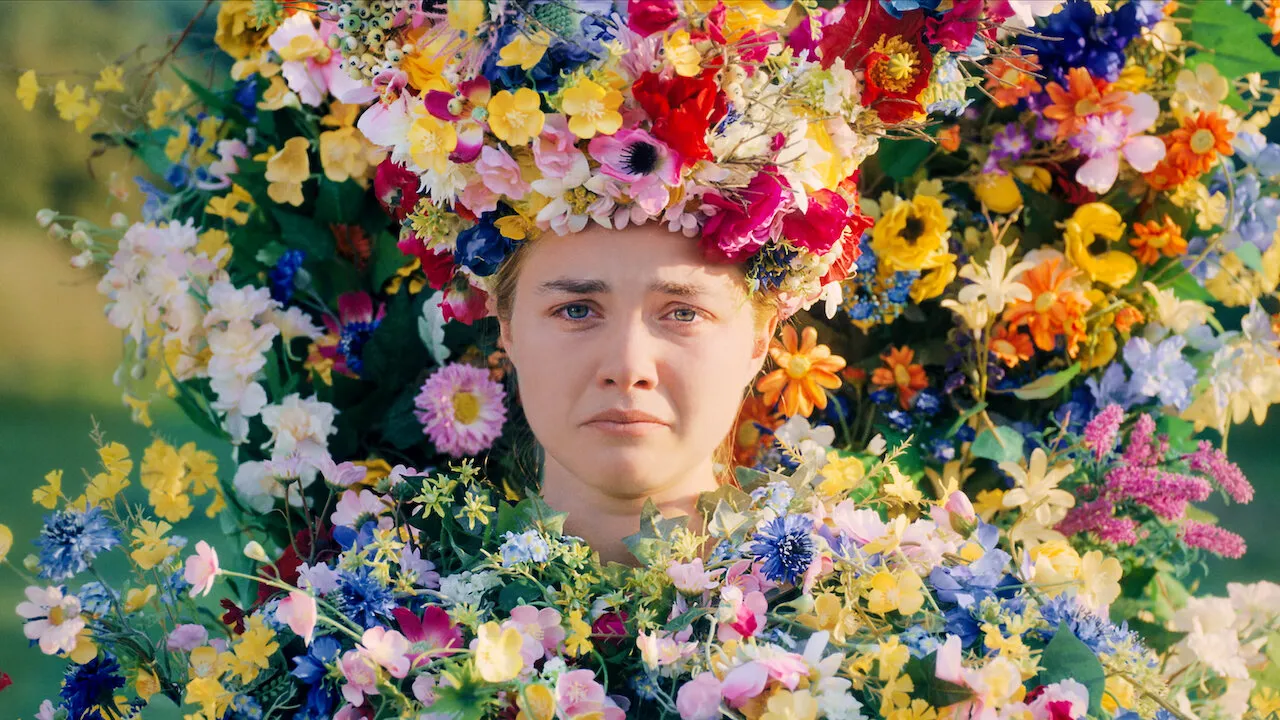
Florence Pugh’s chilling horror film is set to make its streaming debut on HBO Max, giving audiences another chance to experience one of the most distinctive horror films of the past decade. The atmospheric folk horror that captivated theaters seven years ago is finding a new home on the streaming platform, scheduled to premiere on June 1, 2026. This release positions the film as a highlight among the platform’s upcoming content lineup, offering subscribers the opportunity to witness Ari Aster’s vision from the comfort of their own homes.
The announcement brings renewed attention to a film that distinguished itself through its unconventional approach to the horror genre. Rather than relying on traditional scares, this release chose to explore the unraveling of human relationships against the backdrop of seemingly idyllic rural traditions. Its unique storytelling perspective earned both critical acclaim and commercial success upon its original theatrical run, establishing Ari Aster as a notable voice in contemporary horror cinema.
From Alamo Drafthouse to Nationwide Release: The Journey of Midsommar
The film’s theatrical journey began with an exclusive screening at the Alamo Drafthouse Cinema on June 18, 2019, followed by a nationwide release just weeks later on July 3, 2019. This strategic rollout built anticipation among horror enthusiasts and critics alike before the film expanded to mainstream audiences across the United States.
The production represented a collaborative effort between American and Swedish entities. A24 managed domestic distribution responsibilities within the United States, continuing their track record of supporting innovative independent cinema. Meanwhile, Nordisk Film oversaw the Swedish theatrical release, ensuring the film reached audiences in its country of narrative setting. This international partnership proved valuable in authentically capturing the Swedish rural setting central to the story.
Commercial performance exceeded expectations for an independent horror production, with the film ultimately grossing approximately $48.5 million globally against its modest production budget. This strong showing demonstrated that audiences were receptive to horror narratives that prioritized character development and atmospheric tension over conventional jump scares and slasher tropes.
Critical Reception and Audience Response
The film garnered substantial praise from professional critics, Reflecting its artistic ambition and execution. On Rotten Tomatoes, the review aggregation platform recorded an 83% approval rating from critics, indicating widespread recognition of the film’s artistic merits and unique perspective within the horror genre. Audience reception proved similarly positive, with a 63% audience score suggesting that general viewers connected with the film’s emotional core despite its challenging subject matter.
Metacritic’s weighted scoring system assigned the feature a Metascore of 72, placing it in the “generally favorable” category and underscoring its critical standing as a thoughtful entry in horror cinema. The platform’s user score of 6.6 further corroborated the positive reception among viewers who engaged deeply with the film’s themes and storytelling approach.
The Creative Vision Behind the Folk Horror Masterpiece
Director Ari Aster originally conceptualized the project as a more conventional slasher narrative, but the story underwent significant transformation during development. The final version emerged as an exploration of relationship deterioration, heavily influenced by Aster’s personal experiences with romantic dissolution. This autobiographical element lent the narrative an emotional authenticity that elevated the material beyond typical genre fare.
Running for approximately 141 minutes, the film invests substantial screen time in developing its central characters before the horrifying events fully unfold. This deliberate pacing allows audiences to become deeply invested in the protagonists’ relationship, making the subsequent events more impactful and emotionally resonant.
The story centers on a couple whose romantic connection has severely deteriorated. When their friends invite them on a journey to a remote Swedish community to participate in a midsummer festival, they reluctantly agree hoping the trip might provide an opportunity for reconnection. What begins as what appears to be a picturesque cultural immersion experience gradually reveals darker undertones as the pair becomes entangled in the disturbing rituals of a dangerous pagan community with violent traditions.
The Cast Bringing the Nightmare to Life
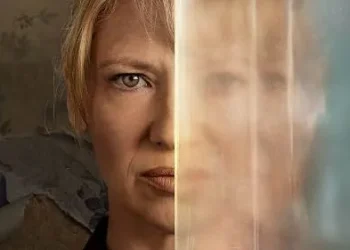
Florence Pugh delivers a commanding performance as Dani, capturing the character’s emotional vulnerability and psychological transformation with remarkable depth. Her portrayal anchors the film emotionally, providing audiences with a relatable protagonist despite the extraordinary circumstances she encounters. Jack Reynor portrays Christian, her boyfriend whose emotional distance and growing disconnection drive much of the narrative tension between the central couple.
The supporting ensemble cast includes Vilhelm Blomgren, William Jackson Harper, Will Poulter, Ellora Torchia, and Archie Madekwe, each contributing to the collective atmosphere of unease that pervades the production. Their performances as Dani’s and Christian’s friends create a sense of mounting isolation for the protagonist as the group becomes progressively absorbed into the community’s practices.
The Creative Team Behind the Vision
Ari Aster not only directed the production but also crafted the screenplay, ensuring a unified creative vision from initial concept through final cut. His dual role allowed for consistent execution of the thematic elements and tone throughout the production. Patrik Andersson and Lars Knudsen served as producers, guiding the project through its development and production phases.
The technical contributions significantly enhanced the film’s unsettling atmosphere. Pawel Pogorzelski’s cinematography captures the seemingly beautiful Swedish countryside in ways that gradually reveal underlying menace, using natural lighting and carefully composed frames to create visual tension throughout. Lucian Johnston’s editing contributes to the film’s distinctive rhythm, allowing scenes to breathe while maintaining narrative momentum.
Bobby Krlic, recording under the alias The Haxan Cloak, composed the instrumental score that proves essential to the film’s disorienting effect. The background music emphasizes moments of psychological unease and creates an persistent sense of wrongness that lingers beneath the surface of even the most benign scenes.
What Makes This Film Worth Revisiting
Midsommar represents a significant achievement in horror cinema for its willingness to prioritize emotional truth over genre conventions. The film demands active engagement from its audience, asking viewers to invest in characters whose relationship struggles feel authentic before introducing supernatural elements. This approach results in a viewing experience that lingers long after the credits roll, sparking discussions about grief, relationships, and cultural ritual.
For horror enthusiasts who missed its theatrical run or wish to experience it again in a new context, the HBO Max (JioHotstar in India) premiere offers an ideal opportunity. The streaming format allows viewers to engage with the film’s nuanced performances and atmospheric details that might be missed in a crowded theater setting.