

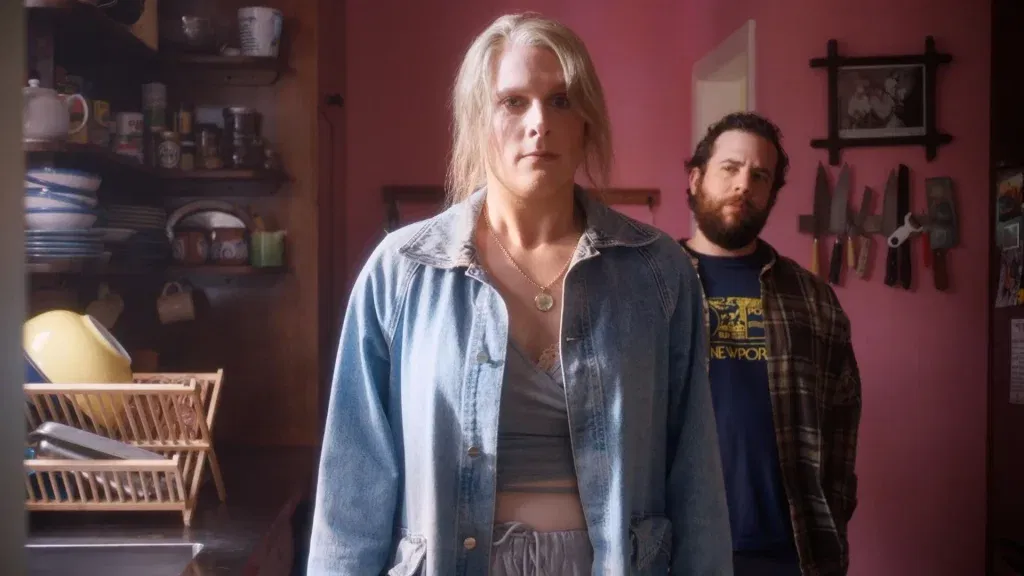
When a comedian steps behind the camera for the first time, the leap can feel like a gamble—will the witty timing translate to a full-length story? John Early, already celebrated for his unguarded on‑screen honesty, makes his directorial debut with Maddie’s Secret. Unlike many comedic actors who pivot to film, Early opts for a deeply personal, emotionally charged narrative rather than a straightforward laugh‑track. The result is a surprising, heartfelt drama that tackles serious topics while still honoring the auteur’s comedic roots.
Synopsis
Maddie’s Secret centers on a charismatic food influencer who, after years of feeling overlooked, finally seizes a high‑profile opportunity. As fame rises, buried trauma and a battle with an eating disorder surface, threatening to unravel everything she’s built. The storyline explores the pressure of online personas, the delicate balance between public image and private pain, and the societal forces that shape modern body‑image issues. Early’s script avoids melodrama, instead weaving a nuanced portrait of a woman navigating the fragile line between success and self‑destruction.
Performances
John Early appears in full drag as the film’s lead, and the performance is far from a novelty act. Early’s commitment to authenticity transforms the character into a sincere, multi‑dimensional figure—viewers quickly forget the drag element and become absorbed in the emotional journey. Supporting Early is a roster of comedic talent: Kate Berlant (known from Sorry to Bother You), Eric Rahill (The Paper), Kristen Johnson (3rd Rock from the Sun), Vanessa Bayer (SNL), and cult favorite Conner O’Malley (Friendship). Rather than delivering superficial comic relief, each cast member approaches their role with the same level of gravitas as the lead, lending the ensemble a unified, serious tone that elevates the film’s dramatic weight.
Behind the Lens
Early’s direction, paired with a visual style that echoes 1970s and 1980s after‑school specials, creates a nostalgic yet fresh aesthetic. The cinematography leans into saturated colors, while the kitschy soundtrack reinforces the era‑inspired ambiance. This deliberately retro framing serves a dual purpose: it pays homage to the cautionary tales of the past while subtly critiquing today’s influencer culture. Early avoids heavy‑handed exposition, trusting audiences to recognize the underlying social commentary about body image and self‑esteem in the digital age. His writing demonstrates a keen awareness of the sensitivities surrounding eating disorders, portraying the protagonist’s struggles with empathy rather than exploitation.
Final Verdict
If you expect Maddie’s Secret to be a nonstop comedic romp, you may be surprised by its somber tone. However, those who approach the film with an open mind will discover one of the year’s most compelling, emotionally resonant indie dramas. Early’s ability to merge a comedic pedigree with profound, socially relevant storytelling proves that his transition from sketch comedy to serious filmmaking is not only successful but also groundbreaking. The movie lingers long after the credits roll, prompting reflection on the complexities of identity, fame, and mental health.
Maddie’s Secret opens in theaters on June 19.