

A New Angle on an Old Theme
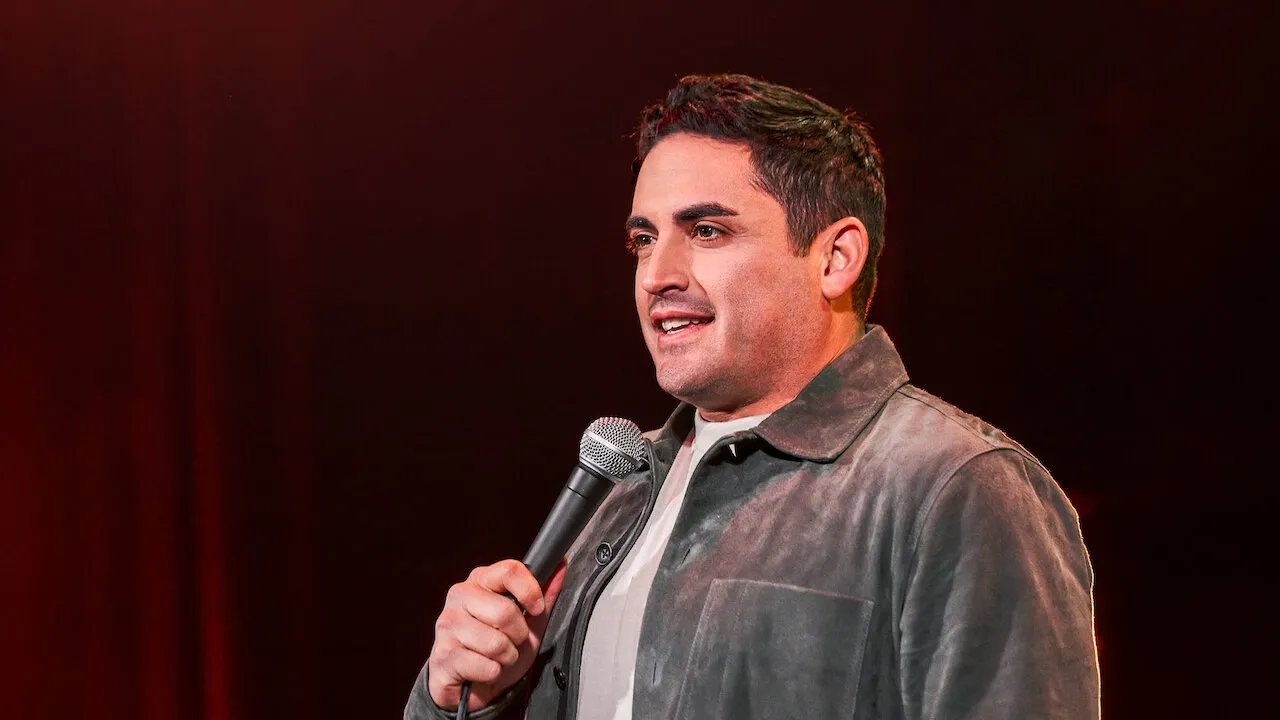
After debuting with the Netflix hour‑long special 37 & Single, comedian and podcast host Jared Freid returns with another personal set titled The Family Plan. This time the material revolves entirely around his close‑knit family, offering a millennial’s take on dealing with boomer parents. The premise is simple: you can’t escape the love (and occasional embarrassment) that comes with a tight family bond. In this review I’ll break down the structure, delivery, and overall effectiveness of the show—without getting lost in technical comedy theory. After all, the ultimate test of any stand‑up routine is whether it makes you laugh.
Delivery Style: From “Yelling” to Relatable Punchlines
Freid’s high‑energy, slightly pitched delivery initially felt overwhelming in 37 & Single. In The Family Plan he openly acknowledges his “yelling” habit, and by the midway point it seems the audience has adjusted. His style can be polarizing, but when the jokes land the emphasis naturally shifts from his vocal quirks to the underlying wit. For viewers who appreciate a fast‑paced, animated performance, the transition feels rewarding; for those who prefer a more laid‑back cadence, the early minutes may feel a bit much.
Relatability Factor: Millennials vs. Boomer Parents
The heart of the special lies in its universal conflict: millennials navigating the expectations of their boomer parents. Freid paints vivid pictures of late‑night beach‑chair reservations, unsolicited advice, and the constant pressure to “adult” while still leaning on parental support. Anyone who has ever felt the tug between independence and familial obligation will recognize the scenarios he describes. The jokes are often exaggerated for comedic effect, yet the core sentiments—embarrassment at a parent’s over‑involvement, the guilt of not paying one’s own phone bill at 39—ring true.
Vulnerability as a Comedy Tool
What sets The Family Plan apart is Freid’s willingness to expose personal shortcomings. He jokes about never having paid a phone bill, about breaking up with partners who clash with his mother, and about his own reliance on parental assistance. This level of openness can be risky; it invites both empathy and criticism. By turning potential insecurities into punchlines, Freid demonstrates a confidence that elevates the material beyond surface‑level anecdotes. The raw honesty also fuels online conversation, generating the kind of buzz that benefits both the performer and the streaming platform.
Structural Flow: Side‑Quests and a Satisfying Wrap‑Up
The set is organized around a series of “side‑quests”—mini‑stories that drift away from the central theme before circling back. One memorable thread follows a beach conversation with his father, which resurfaces in the finale, providing a sense of narrative cohesion. The closing reference to the infamous “Rob Lowe cookies” acts as a comedic cherry on top, tying together the themes of nostalgia and parental quirks.
The Boomer Advantage: Awkwardness as a Double‑Edged Sword
Freid highlights a fascinating paradox: boomer parents are unafraid of awkward moments or intrusive questions, traits that both amuse and exasperate their millennial children. He illustrates this with scenes of parents eagerly striking up conversations with strangers, only to ask delightfully uncomfortable questions. For socially anxious millennials, this behavior can feel both supportive and suffocating—a dynamic Freid captures with sharp observational humor.
Critical Observations: When the Jokes Miss the Mark
While many segments hit the mark, the special does suffer from occasional filler material. Some punchlines feel forced, and Freid’s visible effort to elicit laughter can be distracting. He even acknowledges low‑energy responses from the crowd, a self‑aware move that eases tension but also underscores the uneven pacing. The middle portion of the show drags slightly, prompting a personal coffee break to stay alert—an indication that the momentum isn’t sustained throughout the hour.
Audience Reach: Millennials, Gen Z, and Beyond
The premise is tailored to millennials who still rely heavily on parental support. Younger Gen Z viewers, who may be less dependent on their families, could find the content less resonant. Conversely, older audiences unfamiliar with the “boomer‑millennial” friction might miss some of the cultural references. Ultimately, the humor’s effectiveness hinges on personal experience; what elicits a laugh for one viewer may fall flat for another.
Verdict: A Mixed Bag Worth a Watch for Fans
The Family Plan delivers a handful of genuinely funny moments and showcases Jared Freid’s willingness to be vulnerable on stage. However, the uneven pacing and occasional over‑reliance on personal anecdotes prevent it from achieving consistent brilliance. If you enjoy Freid’s animated delivery and relate to the millennial‑boomer tug‑of‑war, the special will likely entertain you. For those seeking a tighter, universally appealing comedy hour, other Netflix stand‑up offerings may be a better fit.