

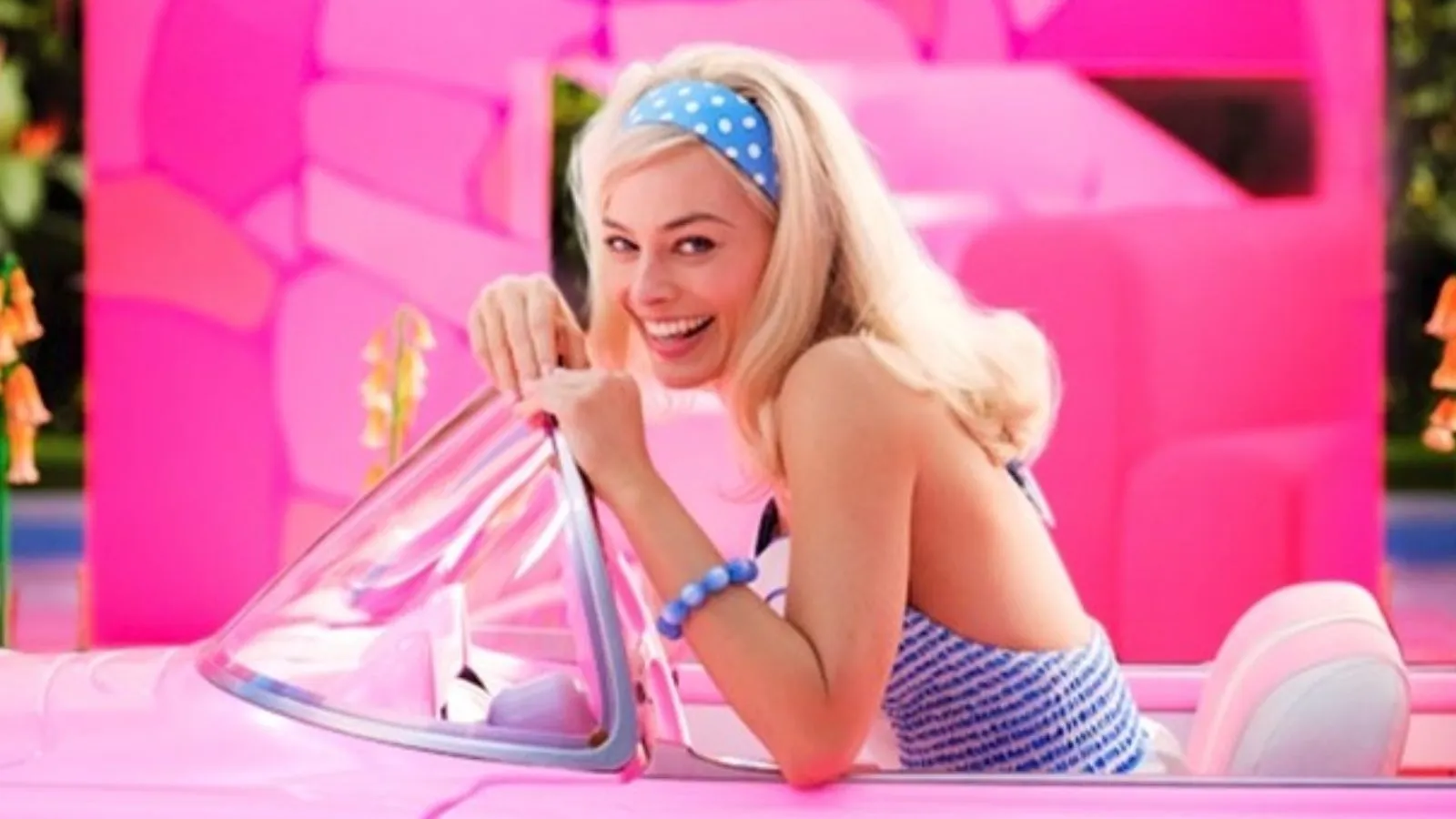
The global phenomenon surrounding the 2023 theatrical release Barbie completely reshaped the modern box office landscape, grossing well over $1.4 billion worldwide and cementing its position as the highest-earning film in Warner Bros. history. Helmed by director Greta Gerwig and brought to life by lead performers Margot Robbie and Ryan Gosling, the feature achieved massive critical success and earned several Academy Award nominations. Under normal circumstances, a follow-up project would be fast-tracked immediately. However, years after its premiere, the future of the potential franchise remains suspended in uncertainty.
The Ticking Clock on Intellectual Property Rights
The primary issue confronting studio leadership is not creative direction, but a strict contractual deadline. Reports indicate that Warner Bros. must formally greenlight a second installment and secure talent agreements before the end of the current calendar year. Should the studio fail to finalize these deals by December, the film adaptation rights will automatically revert to the toy manufacturer, Mattel.
Losing these rights would deal a significant blow to Warner Bros., effectively taking away its ability to produce a direct follow-up to its biggest historical hit. If the rights return to Mattel, the toy company would be free to partner with rival studios, effectively shutting Warner Bros. out of future film adaptations entirely.
Financial Friction and Stalled Scriptwriting
At the core of the current impasse are complex compensation negotiations with the original creative team. Discussions regarding salary structures and backend participation for Greta Gerwig, Margot Robbie, and Ryan Gosling have reportedly hit major roadblocks.
Industry reports suggest that Ryan Gosling was offered an upfront payment of roughly $20 million alongside a percentage of box office returns, while Margot Robbie and Greta Gerwig were also seeking elevated compensation packages reflecting the immense success of the first chapter. Warner Bros. executives have attempted to tie backend bonuses strictly to performance benchmarks, but several proposed terms have proven difficult for studio leadership to approve, keeping negotiations from reaching a conclusion.
This financial deadlock has brought creative development to a complete standstill. While director Greta Gerwig and her writing partner Noah Baumbach have reportedly discussed a story concept for a potential sequel, the pair is refusing to write a single line of the script until contracts are signed. Furthermore, the filmmakers are keeping their narrative concept private, leaving creative development frozen until business matters are settled.
The Threat of a Total Franchise Reboot
If negotiations crumble and Mattel reclaims the property, the story continuity established in the original film could disappear. Because the specific artistic elements and narrative developments produced under Warner Bros. remain tied to the original production, Mattel would likely be forced to start fresh at a new studio.
In that scenario, future projects would necessitate a full reboot featuring an entirely different cast and crew. This outcome would permanently end hopes of seeing Margot Robbie reprise her role as the iconic heroine alongside Ryan Gosling as Ken in a direct storyline continuation.
A Lengthy Delay for Moviegoers
Even in the event that Warner Bros. successfully resolves its contractual disagreements before the looming deadline, audiences will still face a long wait. Taking into account scriptwriting, pre-production planning, principal photography, and extensive post-production, industry analysts estimate that a theatrical premiere before 2029 or 2030 is highly unlikely.
While Warner Bros. maintains that it remains committed to closing deals with the original team, bringing Barbie back to the big screen is proving to be a far more complicated endeavor than fans had hoped.