

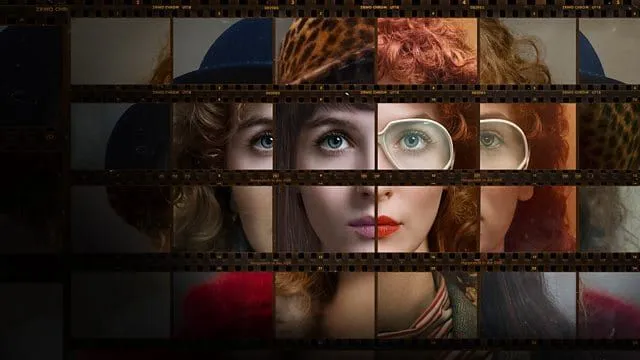
BBC One’s latest espionage offering arrives on BBC iPlayer with a tone that splits the difference between spy craft and social embarrassment. Honey, created by Emma Moran, transports viewers to Berlin in 1982, at the height of the Cold War, when crossing a border could mean surrendering more than just a passport. The plot centers on an MI6 operation designed to move a young agent into East Berlin, but the series quickly makes clear that intelligence work is rarely glamorous. From its first moments, where a border guard weaponizes a woman’s private medical appointment to unsettle a traveler, the show establishes surveillance as both a bureaucratic tool and a source of humiliation. It is a stylish, funny, and sometimes disturbing examination of how governments use personal life to exert control.
Synopsis
Honey follows a British intelligence effort to smuggle a young operative into East Berlin during 1982. Once inside, she takes on a mundane cover role that involves gathering compromising material on men who can be exploited. As her curiosity grows, she crosses paths with an American intelligence officer and a determined East German agent, turning her assigned identity into something more personal and risky. The series balances farce with tension while keeping the full direction of its story under wraps.
Performances
Rory Kinnear leads the British side as Anderson, an MI6 handler whose calm exterior masks a readiness to use those around him. Ann Skelly is the emotional core as Martha Schmitt, the smuggled agent who moves between boredom and sudden resourcefulness. Skelly portrays Martha’s shift from collecting photographs to confronting danger with a knife, making her initiative feel earned. Nate Mann plays Kurt Fischer, an American operative whose confidence is boosted by a false identity. Jannis Niewöhner is striking as Friedrich Baumann, an East German official whose requests carry an unsettling, intimate weight. The cast understands that in this world, private desire is never truly private.
Behind the Lens
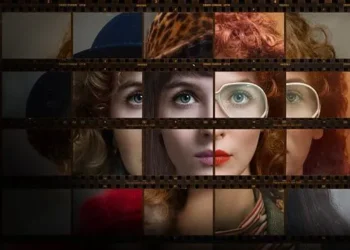
Emma Moran builds a setting where visual appeal and political dread coexist. Interiors dressed in distressed browns and deep greens feel worn and lived-in, while patterned clothing, wigs, and knitwear provide moments of visual relief against an atmosphere of constraint. The direction finds comedy in everyday indignities, such as a wedding dress that blocks an escape or a border guard who treats a cervical screening appointment like casual conversation.
The series invites comparison to Killing Eve because of its younger female operative, yet it establishes a distinct voice by insisting that espionage is seldom dignified. Production design encourages viewers to enjoy the textures of a restricted society, only to remind them that someone always pays a price beyond embarrassment.
Final Verdict
Honey works because it refuses to separate the fun of spy fiction from the coercive realities of state power. Its humor lands when it is rooted in genuine discomfort, whether through a fake engagement or a demand for underwear to train tracking dogs. Ann Skelly gives Martha enough agency to resist being a mere pawn, and Emma Moran ensures that every joke carries a shadow of threat. Stylish, sharp, and politically aware, the series proves that espionage can be entertaining without being glamorous.
Also Read:
“Honey” Proves BBC Can Deliver a Smart Spy Thriller Without Relying on “Killing Eve”