

NBC’s newest iteration of Happy Place lands amid a crowded streaming marketplace where classic multicamera gems—Frasier, Friends, Cheers—are instantly reachable via rerun libraries and on‑demand services. The expectation is clear: a show anchored by country‑music legend Reba McEntire should sparkle with the same effortless wit that made her earlier sitcom a cultural touchstone. Yet, despite a seasoned lead and a premise ripe for relational hijinks, the third installment feels strangely detached from the spontaneity that defines great sitcom fare.
Synopsis
At its core, Happy Place follows Bobbie (Reba McEntire), a pragmatic matriarch trying to keep her eclectic household afloat while navigating the lingering shadow of her late father, Happy. Her half‑sister Isabella (Belissa Escobedo) returns home, reigniting old family tensions and prompting a series of misadventures involving love interests, career hiccups, and the occasional clash with longtime friend Gabby. The season threads together familiar sitcom tropes—competing affections, stalled romances, and generational misunderstandings—without venturing far enough to surprise viewers accustomed to sharper, more self‑aware comedy.
Performances
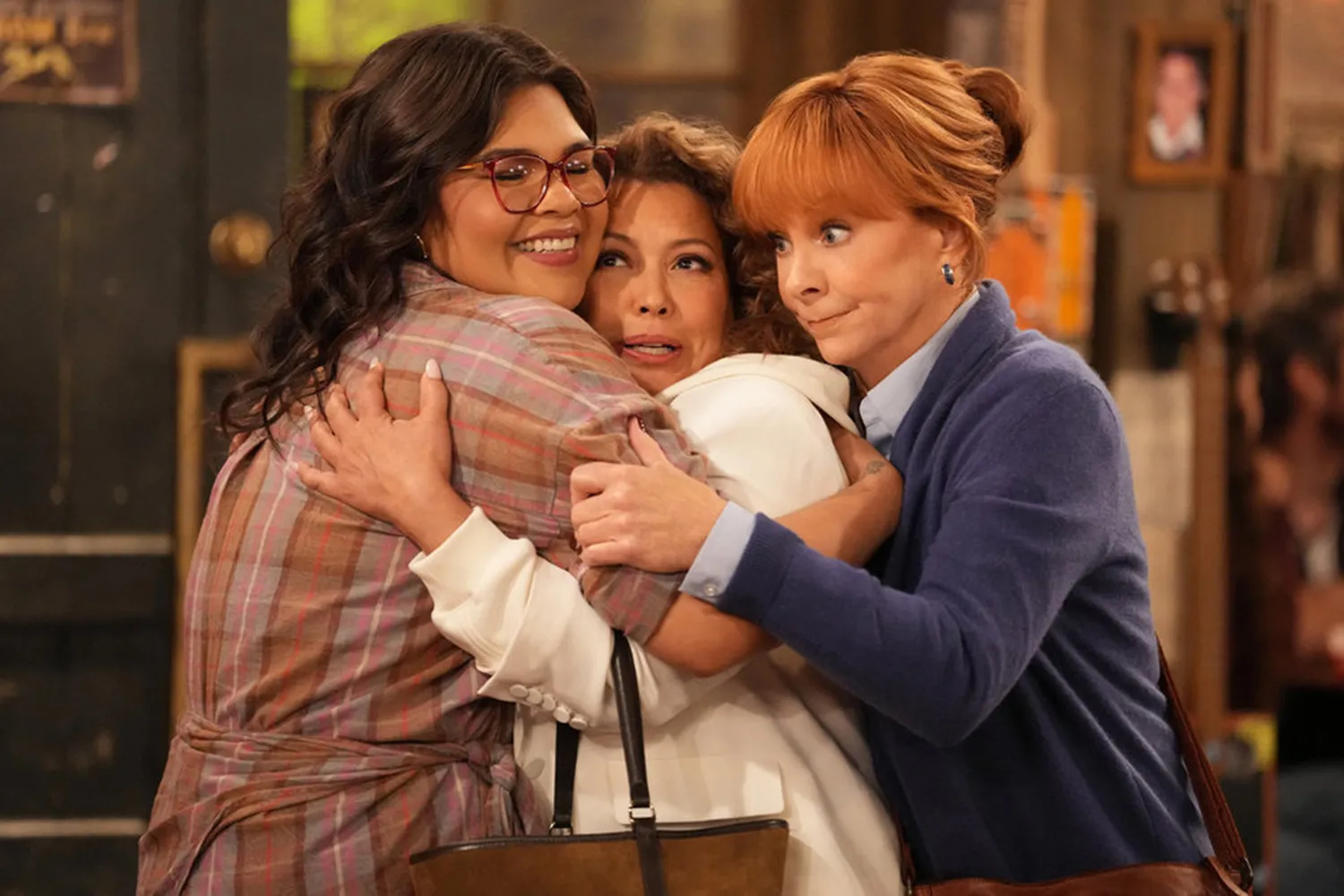
Reba McEntire brings her trademark warmth and steady timing to Bobbie, yet the material often confines her to reactive beats rather than allowing her signature blend of sardonic charm and heartfelt vulnerability. Belissa Escobedo delivers a competent portrayal of Isabella, but the chemistry between the two leads remains underdeveloped; their exchanges feel scripted rather than organic, diminishing the comedic payoff of their sibling rivalry. Rex Linn, reprising his role as Emmett, shares genuine off‑screen chemistry with McEntire, yet on‑screen their interactions lack the spark needed to fuel either romance or playful banter. Melissa Peterman, a seasoned collaborator with McEntire, attempts to revive the classic Lucy‑and‑Ethel dynamic, but the writing relegates her to peripheral jokes that never fully leverage her comedic strengths. Overall, the cast’s talent is evident, but the direction fails to harness it into memorable, laugh‑inducing moments.
Behind the Lens
Showrunners Julie and Kevin Abbott inherit a solid foundation: a beloved star, a proven sitcom framework, and a built‑in audience eager for nostalgia‑driven humor. Unfortunately, the writing leans heavily on formulaic set‑pieces—love triangles, drawn‑out break‑up fallout, and predictable workplace gags—without injecting fresh perspective or tonal contrast. The reliance on sitcom conventions results in a rhythm that feels staged; scenes often progress like a checklist rather than evolving from character‑driven impulse. Cinematography and set design maintain the bright, multipack aesthetic typical of network comedies, but they do little to offset the narrative stagnation. The absence of daring improvisational beats or meta‑commentary leaves the season feeling safe, yet ultimately forgettable.
Final Verdict
Happy Place Season 3 possesses all the ingredients for a successful sitcom—a charismatic lead, a supportive ensemble, and a premise that invites both heart and humor. However, the execution falters when the show opts for comfort over creativity, recycling familiar tropes without the inventive twists that made its predecessors endure. For viewers seeking a fresh, spirited comedy, this installment may feel like a reheated version of a recipe that once delighted audiences but now lacks the seasoning needed to stand out in today’s saturated TV landscape. Unless future episodes embrace bolder storytelling and allow the cast’s natural chemistry to shine, Happy Place risks remaining a pleasant footnote rather than a standout entry in the modern sitcom canon.