

Netflix’s newest offering, Minimum Wage, arrives as a breezy workplace comedy that finds humor in the everyday grind of a small‑town pizzeria. Produced by American High and shepherded by writers‑executive producers Will Phelps, Jeremy Garelick and Axelle Azoulay—who also double as showrunners—the series translates the popularity of the original American High Shorts into a half‑hour format. With an ensemble led by Aidan Micho, Grace Reiter, Hyde Healy, Julia Dicesare, Luke Burke, Ryan Macho, Tommy Armstrong and a memorable turn by Randall Park, the show promises a blend of awkward mishaps, genuine camaraderie and a surprisingly poignant look at life on minimum wage.
Synopsis
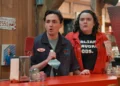
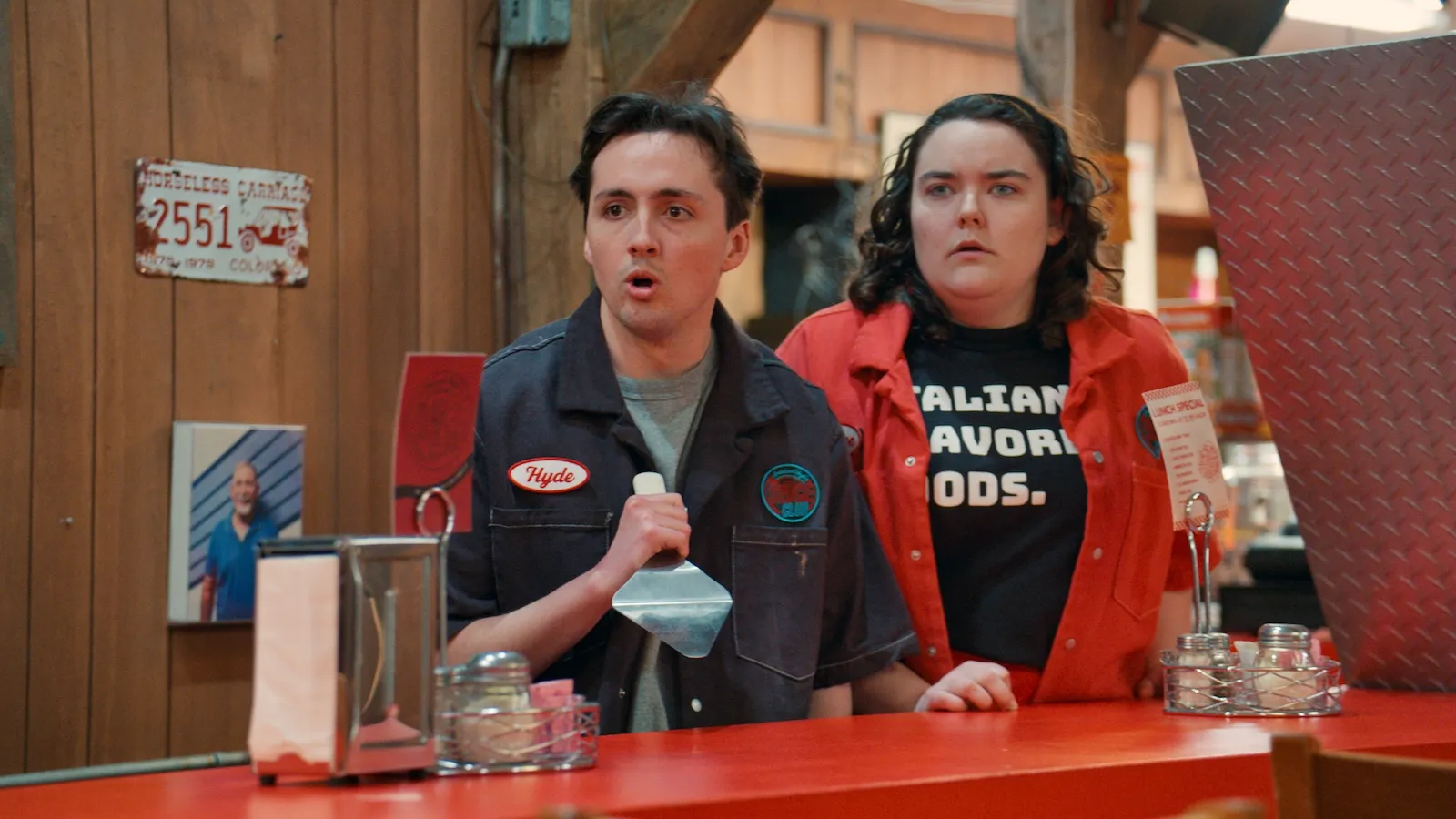
Set inside Joey’s Pizza, Minimum Wage follows a rag‑tag crew of young employees as they navigate eccentric customers, demanding bosses, slip‑shod safety protocols and the perpetual struggle to stretch a paycheck that barely covers rent. Each episode leans into the absurdity of routine tasks—taking orders, cleaning grease traps, attempting to earn a nickname—while highlighting how even the smallest workplace victories feel monumental when money is tight. The series avoids heavy plot twists, instead letting the characters’ chemistry and the shop’s chaotic energy drive the humor forward.
Performances
The cast’s chemistry is the engine that keeps the series moving. Aidan Micho anchors the group with an earnest, slightly clueless optimism that makes his continual quest for a nickname both endearing and hilariously futile. Grace Reiter delivers sharp, dead‑pan reactions to the endless stream of bizarre customer requests, while Hyde Healy and Julia Dicesare provide the perfect foil with their over‑enthusiastic (yet often misguided) attempts to impress management. Luke Burke and Ryan Macho bring physical comedy to the fore, turning routine dough‑stretching into slapstick set pieces.
Randall Park, though appearing intermittently as the pompous shop owner, injects a delightful layer of authority‑vs‑incompetence tension; his dead‑pan delivery elevates every scene he graces without overshadowing the younger leads. Together, the ensemble feels like a genuine crew you might encounter after a late‑night shift, making their improvised‑sounding banter resonate with authenticity.
Behind the Lens
Created by the same team that birthed the viral American High Shorts, Minimum Wage benefits from a writer‑room that knows its characters inside out. Will Phelps, Jeremy Garelick and Axelle Azoulay not only penned the scripts but also stepped into showrunning roles, ensuring a consistent tonal voice throughout the season. Directors lean into the sitcom‑lite aesthetic: quick cuts, tight framing on the pizza prep line, and a color palette that mirrors the warm, greasy tones of the kitchen—visually reinforcing the show’s thematic focus on the modest, often overlooked spaces where low‑wage labor unfolds.
The decision to let the cast contribute jokes and character nuances pays off; lines feel lived‑in rather than formulaic, giving the humor a fresh, improvisational edge while still hitting familiar comedic beats. Notably, the series proves that a catastrophic event isn’t required to spark laughter—a misplaced order, an over‑zealous upsell attempt, or a botched nickname effort can sustain an entire episode’s comedic momentum.
Final Verdict
Minimum Wage succeeds where many workplace comedies falter: it finds the funny in the mundane without resorting to caricature. Its strength lies in the authentic rapport among the actors, the razor‑sharp observational writing, and a willingness to treat low‑wage struggles with both humor and a hint of empathy. While the bite‑sized episodes occasionally feel rushed—leaving little room for deeper character arcs—the show’s brisk pacing matches its intent: delivering quick, reliable laughs that leave you smiling rather than contemplating narrative complexity.
For viewers seeking a light‑hearted yet grounded binge, Minimum Wage offers a satisfying slice of comedy that proves fresh talent can thrive beyond short‑form platforms. Ultimately, the series stands as a testament to Netflix’s commitment to nurturing emerging voices, delivering a delightful, relatable experience that’s well worth the watch.