

When a grieving father teams up with a tenacious journalist to hunt down a kidnapped daughter, the stakes feel immediate and personal. Furious twists that premise into a darker inquiry: what happens when the fury that drives a victim becomes the weapon of a perpetrator? The eight‑episode thriller, loosely inspired by Bob Rafelson’s 1987 film Black Widow, follows FBI analyst Alice Black (Emmy Rossum) as she tracks Catherine Grace (Lola Petticrew), a woman who infiltrates the lives of affluent men, drugs them with fentanyl, extracts confessions about the girls they harmed, and then ends their lives. The series balances slick procedural tension with a searing commentary on institutional complicity, making it a compelling watch for anyone interested in crime dramas that refuse easy moral answers.
Synopsis
A grieving father’s desperate search for his missing daughter collides with an FBI analyst’s pursuit of a meticulous female avenger. As Alice pieces together a pattern of seemingly unrelated overdoses, she discovers a vengeful killer who targets men who have escaped justice for sexual violence. The chase forces both women to confront the systems that enable abuse, while their own pasts threaten to unravel their objectives. The narrative avoids overt spoilers, focusing instead on the evolving cat‑and‑mouse dynamic and the moral gray zones that define each character’s choices.
Performances
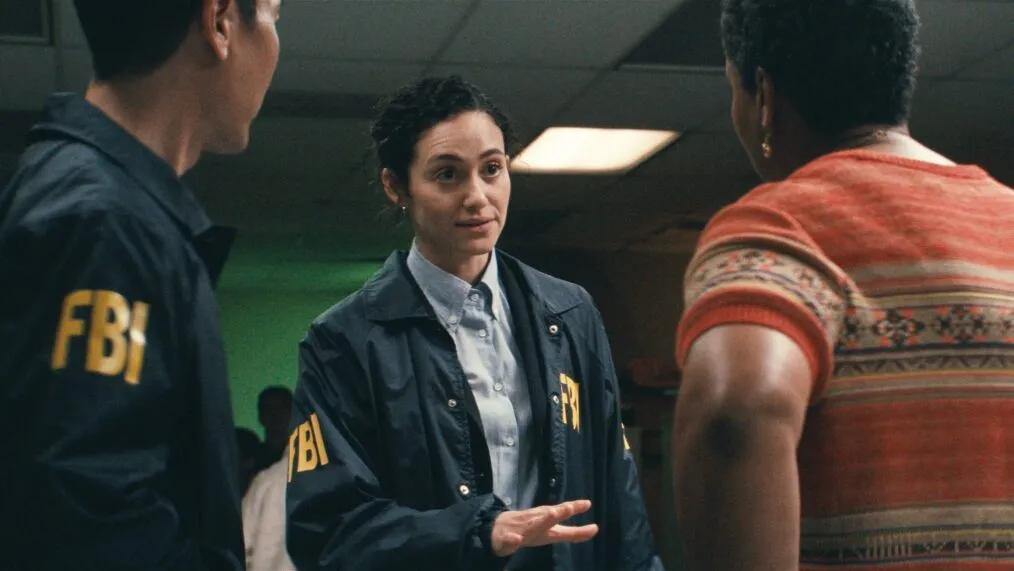
Emmy Rossum delivers a nuanced portrayal of Alice, a prosecutor whose professional façade cracks whenever reminders of her abusive ex‑boyfriend surface. Her voice tightens, her posture stiffens, and her attempts at warmth feel rehearsed, revealing a trauma that lingers beneath the badge.
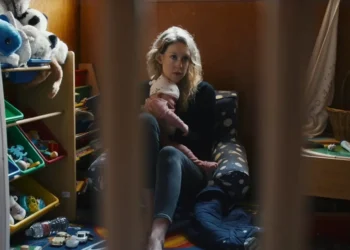
Lola Petticrew’s Catherine is equally compelling; she shifts from frightened flirtation to cold calculation with a barely perceptible raise of an eyebrow, making her menace feel both intimate and unpredictable.
Quincy Tyler Bernstine shines as Nora, the weary supervisor of the FBI’s sex‑crimes unit, delivering dead‑pan lines that oscillate between weary humor and biting criticism. Scoot McNairy’s Danny offers a grounding presence, his loyalty to Alice providing moments of tenderness that highlight her struggle to reclaim normalcy. Together, the cast creates a tense, emotionally charged ensemble that keeps the audience invested in both the hunt and the personal battles waged off‑screen.
Behind the Lens
Director Brian Kirk opens the series with glossy, almost voyeuristic shots of Catherine’s seductions and killings, a deliberate choice that mirrors the very media sensationalism the show later critiques. The fourth episode, helmed by Karena Evans, slows the pace, allowing longer beats between Alice and Nora that shift focus from the mechanics of murder to the societal structures that enable it.
The score walks a fine line—pulsing instrumental cues amplify thriller excitement, while layered female groans pull the audience back into the victims’ suffering, ensuring suspense never feels detached from pain.
Cinematography makes clever use of the FBI’s basement setting, turning cramped, dim corridors into a visual metaphor for institutional neglect. Editing frequently juxtaposes Alice’s deceptive interviews with Catherine’s assumptive aliases, underscoring their mirrored tactics without ever forcing them into the same frame.
Final Verdict
Furious succeeds where many thrillers falter: it marries high‑octane action with a thoughtful interrogation of who gets to wield violence and why. Rossum and Petticrew deliver performances that are both electrifying and emotionally resonant, while the supporting cast adds depth to the procedural backdrop. The show’s early flirtation with sensationalist imagery may unsettle some viewers, but it ultimately serves the series’ larger argument—that revenge, however understandable, remains entangled with the very systems it seeks to dismantle.
For fans of Killing Eve, Promising Young Woman, and Sweet/Vicious, this series offers a fresh, angry take on the female‑revenge subgenre, anchored by strong leads and a willingness to linger in uncomfortable moral territory.