

Event Overview
From 3 to 7 June 2026, Madrid transforms into a hub for German storytelling as the German Film Fest Madrid kicks off its 28th edition. Organized by German Films in partnership with the Goethe‑Institut Madrid, Amigos del Goethe, and supported by the Embassy of the Federal Republic of Germany in Madrid and Filmin, the festival offers a curated selection of the most compelling recent releases from Germany.
Beyond showcasing cinematic talent, the programme celebrates the growing influence of women filmmakers and examines today’s social tensions through an auteur‑driven lens. The lineup features nine feature titles—fiction, documentary, and hybrid works—alongside student productions and a curated short‑film package.
Female Filmmakers Take Center Stage
One of the festival’s defining themes is the powerful voice of women directors. This year’s programme places female storytelling front and center, highlighting works that challenge gender norms and explore the politics of voice.
- Christina Tournatzés makes her feature debut with Karla, set in Munich in 1962. The film places the camera at eye level with a twelve‑year‑old girl who breaks the silence around gender‑based violence, turning personal testimony into a political act.
- Jacqueline Jansen presents Six Weeks On, an autofictional piece that investigates contemporary loneliness and grief in the midst of a pandemic, offering a raw look at isolation and resilience.
These films illustrate how the festival uses personal narratives to interrogate broader societal issues, positioning the “voice” as a deliberate political tool.
Featured Films & Documentaries
- Isa Willinger delivers an essayistic documentary, No Mercy, exploring power structures, gender dynamics, and artistic authority. The film questions the limits of the screen as a space for social projection, urging viewers to reconsider the role of cinema in shaping public consciousness.
- For younger audiences, Julia Lemke and Anna Koch bring Circusboy, which earned a Special Mention in the Generation Kplus section at the 2025 Berlinale. The documentary shines a light on lives on the fringes of modernity, offering a compassionate view of marginalised communities.
- Eva Trobisch screens Home Stories, her third feature that competed at this year’s Berlin Film Festival. The film dissects the fractures of European identity, asking whether a sense of self can endure when family history collapses.
Spotlight on Mia Maariel Meyer
A dedicated focus highlights the work of Mia Maariel Meyer, one of Germany’s most provocative contemporary filmmakers.
- The Seed – a raw depiction of workplace dehumanisation that premiered at the Berlinale. The film traces the psychological toll of corporate alienation, delivering a stark commentary on modern labour conditions.
- Treppe Aufwärts – Meyer’s debut feature, already celebrated for its unflinching portrayal of generational addiction cycles. The film establishes Meyer’s signature style: intimate observation combined with stark social critique.
Additional Must‑See Screenings
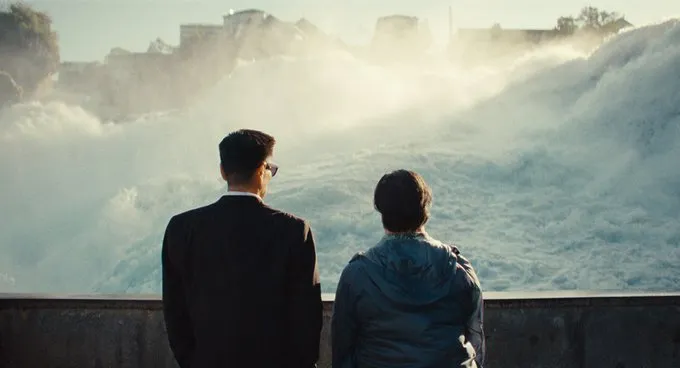
- Thomas Stuber opens the festival with The Frog and the Water, a masterclass in psychological realism. The film, noted for its atmospheric intimacy, was screened at the Black Nights Film Festival in Tallinn last year.
- Julian Radlmaier offers a daring counterpoint with Phantoms of July, blending absurd humour, political theory, and self‑referential storytelling to explore nostalgia and identity in East Germany.
- Joscha Bongard premiered Babystar, a sharp satire that deconstructs the attention economy and the commodification of childhood in the age of influencers.
Conclusion
The 28th German Film Fest Madrid stands as a platform for bold, socially aware German cinema. With a strong emphasis on female voices, innovative documentary work, and a celebration of classic yet revitalised auteur cinema, the festival invites audiences to experience the transformative power of film. Don’t miss this opportunity to discover stories that challenge, inspire, and ignite conversation.