

Did Someone Happen to Mention Me? arrives on Netflix as a striking blend of drama, satire, and existential inquiry. Helmed by writers Kankurō Kudō and directors Fuminori Kaneko, Takuya Sakaue, and Atsushi Watabe, the eight‑episode series follows a once‑celebrated stage actor whose celebrity evaporates overnight. With a runtime of roughly fifty‑five minutes per installment, the show balances biting humor with poignant commentary on identity, memory, and the price of public adoration. The central performance by veteran Kōji Yakusho lifts the material beyond a simple premise, turning it into a nuanced study of ego, regret, and the search for meaning when the spotlight dims.
Synopsis
Gen Takasegawa (Yakusho) is a renowned Japanese theatre star accustomed to constant applause. After relocating to London in pursuit of work and later returning home, he discovers that virtually everyone—including his own wife—has forgotten his name, his achievements, and even his existence. The erasure appears tied to a mysterious vaccine developed during a global pandemic. Stripped of fame, fortune, and professional connections, Gen must rebuild his life from scratch, confronting menial jobs, strained relationships, and the unsettling question of who he truly is when the external validation that defined him disappears. The series explores his attempts to reclaim dignity while navigating absurd, often comic situations that reveal deeper layers of his personality.
Performances
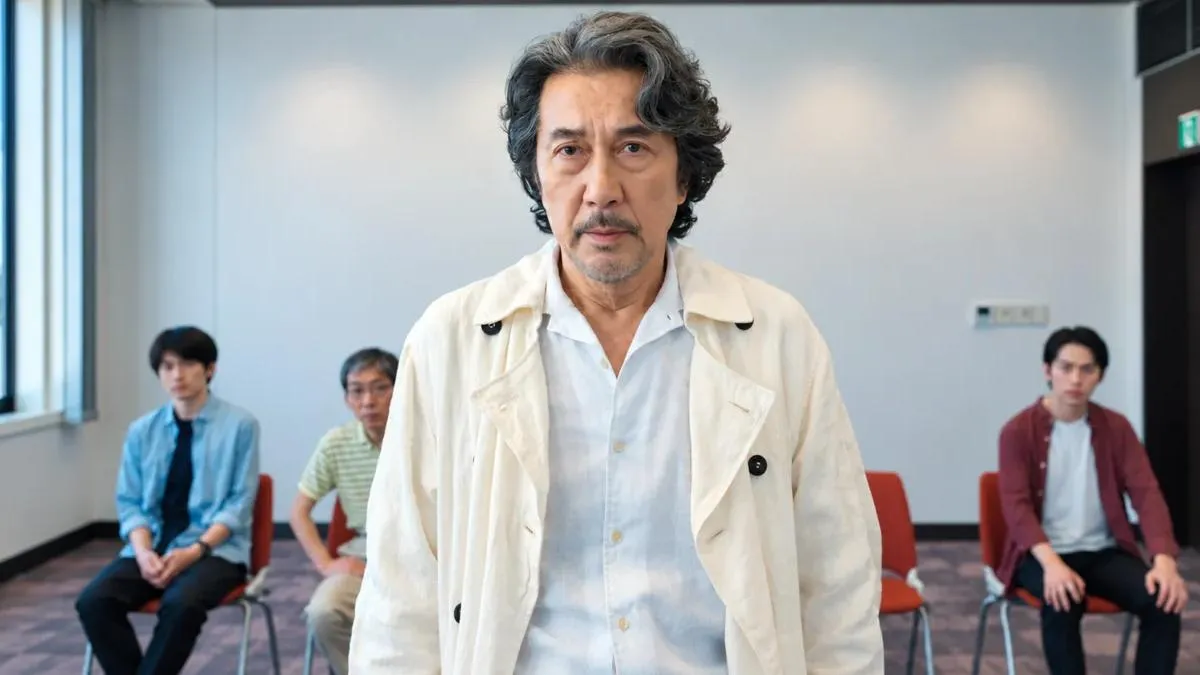
Kōji Yakusho delivers a masterclass in restrained yet potent acting. Rather than portraying Gen as a wholly sympathetic victim, Yakusho embraces the character’s arrogance, theatrical flair, and ingrained sense of entitlement. His portrayal shines brightest in moments where Gen confronts ordinary realities—a declined credit card, a dismissive former colleague, or the humiliating task of working in a public sauna—each scene underscoring the dissonance between his former self‑image and his current vulnerability.
Supporting turns by Noriko Eguchi as Machiko, Gen’s estranged wife, and Kento Kaku as Tetsu Okamoto add emotional texture, especially as the series peels back layers of Gen’s past behavior through flashbacks. The ensemble cast maintains a consistent tone, allowing Yakusho’s layered performance to remain the narrative’s anchor.
Behind the Lens
The creative team behind Did Someone Happen to Mention Me? crafts a visually crisp world that mirrors Gen’s internal dislocation. Cinematography shifts from glossy, well‑lit theatre interiors to muted, claustrophobic sauna corridors, reinforcing the protagonist’s descent from grandeur to humility. The soundtrack, subtle yet purposeful, underscores comedic beats without undermining the underlying melancholy.
Directors Kaneko, Sakaue, and Watabe employ deliberate pacing—allowing awkward silences to linger—so viewers can feel the weight of Gen’s isolation. Writing credits to Kudō ensure that dialogue oscillates between sharp wit and sincere confession, preventing the premise from devolving into mere farce. Production design deserves mention for its attention to detail: absent social‑media profiles, expired IDs, and blank walls where once posters celebrated Gen’s career serve as visual metaphors for erased legacy.
Final Verdict
Did Someone Happen to Mention Me? succeeds as a compelling character study wrapped in a high‑concept premise. While the series occasionally leans into slapstick scenarios that threaten to eclipse its emotional core, the show consistently returns to Gen’s inner turmoil, making the humor feel purposeful rather than gratuitous. Yakusho’s commanding presence ensures that even the most absurd moments resonate with authenticity. The narrative’s strength lies in its willingness to hold Gen accountable—his past infidelities, thoughtless parenting, and professional hubris are laid bare, refusing a easy redemption arc solely predicated on amnesia.
For viewers interested in dramas that interrogate fame, identity, and the human desire for recognition, this Netflix offering is a rewarding watch. Minor imbalances between comedy and pathos do not detract from the overall impact; instead, they invite reflection on how society measures worth when the applause fades.