


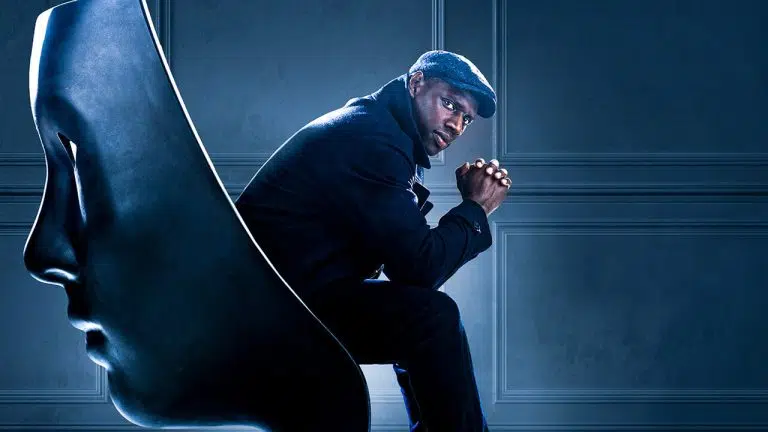
When Lupin returned for its fourth chapter on Netflix on October 23 2026, fans were eager to see whether Assane Diop could stay one step ahead of both the law and his own past. The series, inspired by Maurice Leblanc’s legendary gentleman‑thief Arsène Lupin, continues to blend sleight‑of‑hand with high‑stakes emotion. In this latest installment the stakes feel personal: a cyber‑attack, fabricated evidence, and fractured family ties push Assane into a corner where his reputation becomes his biggest liability.
Synopsis
Four years after surrendering to authorities, Assane Diop (Omar Sy) is nearing release from prison and hopes to reunite with his son Raoul in Senegal. A sophisticated deep‑fake campaign resurrects the Lupin moniker for two daring museum robberies, casting doubt on Assane’s innocence and threatening his impending freedom. As law enforcement leans on his notorious reputation, old allies—Claire and Benjamin—navigate shifting loyalties, while Assane must confront the very myths that once made him untouchable. The season weaves classic puzzle‑box tricks with modern tech dilemmas, asking whether a master of illusion can survive when the illusion itself is weaponized against him.
Performances
Omar Sy remains the charismatic engine of the show. His portrayal of Assane balances swagger with a newly visible vulnerability, especially when the thief’s confidence collides with the fallout of his personal life. Sy’s chemistry with Ludivine Sagnier (Claire) and Antoine Gourbeyre (Benjamin) adds texture to the love‑triangle tension, making their interactions feel lived‑in rather than melodramatic.
The supporting cast, including the relentless Captain Sofia Belkacem (Shirine Boutella) and the enigmatic hacker Guédira (Adrien Arnault), delivers grounded performances that keep the high‑concept scheming believable. Each actor lets the audience feel the weight of Assane’s choices without resorting to caricature, preserving the series’ blend of wit and gravitas.
Behind the Lens
Creator George Kay and director Xavier Gens continue to exploit the show’s signature visual language: locked‑room setups, misdirection via everyday objects, and clever use of reflective surfaces. Season 4 introduces a translucent containment cell that becomes a metaphorical mirror for Assane’s exposed identity. The deep‑fake sequences are handled with restraint—practical effects (a soluble stand‑in painting, LED‑screen illusions) precede digital manipulation, ensuring the tech feels like an extension of the classic Lupin toolbox rather than a replacement.
Cinematographer Thierry Arbogast captures Parisian locales with a cool palette that shifts to warmer tones during the Senegal‑hope scenes, underscoring the thematic tug between confinement and freedom. The score, composed by Alexandre Desplat, stays subtle, allowing the sound of ticking clocks and whispered plans to drive tension.
Final Verdict
Lupin Season 4 succeeds in turning the gentleman‑thief legend on its head: the very myth that empowered Assane now works against him, forcing a reckoning with trust, legacy, and the cost of living under a pseudonym. While the deep‑fake element occasionally leans on exposition, the series compensates with meticulously crafted physical puzzles that reward attentive viewing. Omar Sy’s nuanced lead performance anchors the emotional core, and the ensemble delivers palpable stakes beyond the usual cat‑and‑mouse chase.
For longtime fans, the season offers a satisfying evolution of the beloved formula; for newcomers, it provides an accessible entry point into a world where charm and cunning collide with modern surveillance culture. If you appreciate heist narratives that think as much as they thrill, this installment is well worth streaming.
Also Read:
“Lupin 4”: Assane Diop Returns with a New Mystery and an Unexpected Rival