

The true-crime genre is filled with investigative narratives that dissect evidence, search for suspects, and trace the path to justice. However, the Netflix documentary Chompoo: Lost & Forgotten, helmed by filmmaker Nontawat Numbenchapol, takes a radically different route. This compelling film focuses on the shocking 2020 disappearance and eventual death of a three-year-old child in a rural Thai community. Yet, instead of presenting a standard procedural, Numbenchapol delivers a searing commentary on the media hysteria, online conspiracy theories, and inexplicable celebrity worship that swallowed the tragedy whole.
A Tragic Disappearance in a Quiet Village
The documentary begins with the heartbreaking events of May 2020, when a toddler named Chompoo vanished from her family home in a secluded village located in a northeastern province of Thailand. Following an intense, days-long search operation, her lifeless and unclothed body was discovered in a rugged forest area nearly two kilometers away.
Because of her extremely young age, it was physically impossible for her to have reached such an isolated, treacherous location on her own. Despite the suspicious circumstances, forensic examinations found no definitive physical proof of sexual abuse. This terrifying mystery left a simple, devastating question: what happened to this innocent girl, and who was responsible for her death?
When True Crime Becomes Public Entertainment
What should have been a focused, respectful police investigation quickly dissolved into a chaotic media circus. Chompoo: Lost & Forgotten masterfully captures how rapidly the quiet village was overrun by television crews, independent content creators, and internet sleuths. These outsiders dissected every single detail of the grief-stricken family’s lives to generate clickbait and feed online forums.
The film highlights a deeply unsettling reality: the collective drive of the public was not directed toward finding the truth, but rather toward sustaining an ongoing soap opera. The disappearance of a child became secondary to the endless production of sensationalist theories, reactions, and online engagement.
The Bizarre Rise of an Unlikely Celebrity
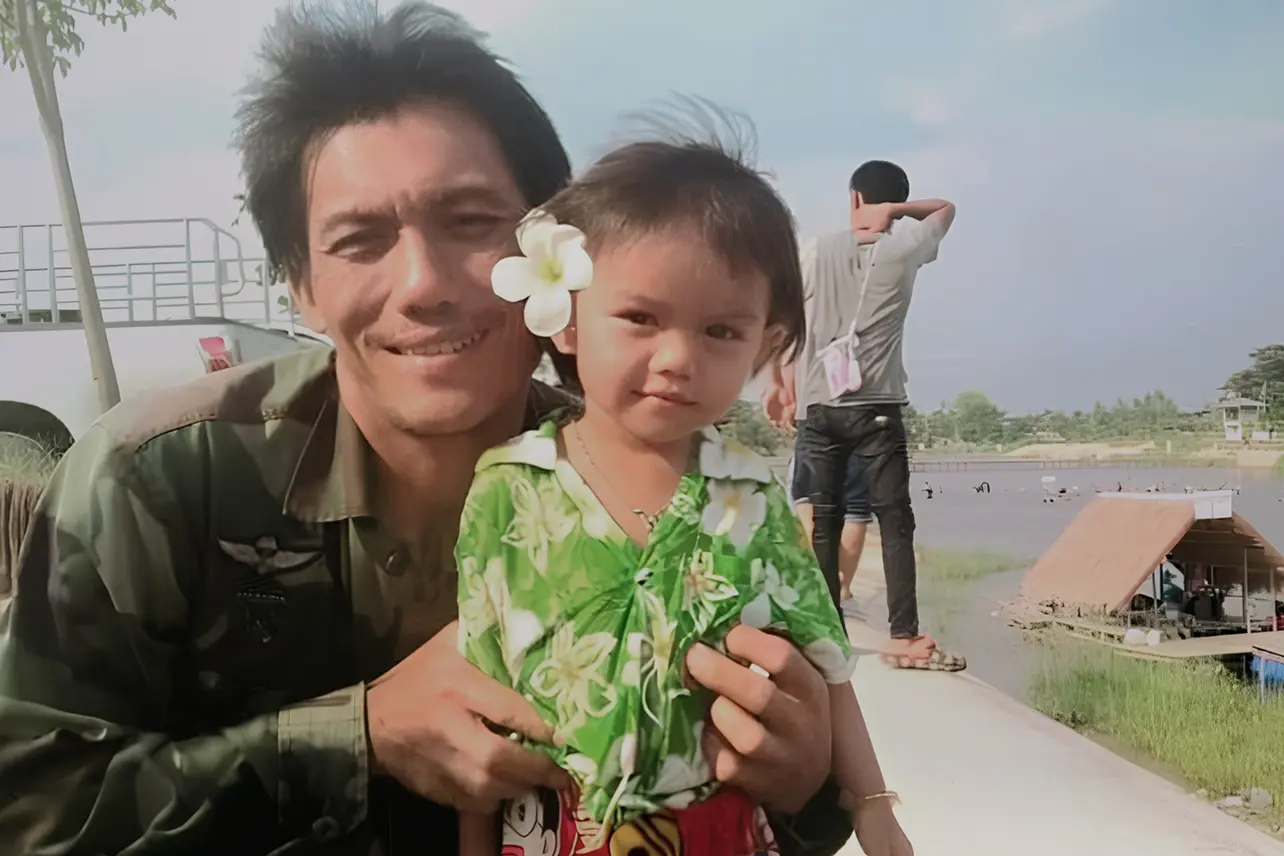
One of the most disturbing aspects of this phenomenon is the stark contrast in how those involved were treated. While the girl’s grieving parents were subjected to relentless online scrutiny and judged harshly for how they processed their pain, an uncle of the victim, who was a primary suspect in the case, was elevated to a cult-like status.
Known to the public as Uncle Pol, this individual amassed a massive following due to his charismatic appearance and singing talent. Rather than being treated as a key figure in a homicide investigation, he was embraced as a media star, complete with corporate sponsorships, fan events, and public adulation. The documentary highlights this bizarre dynamic to show how easily public sentiment can be manipulated, completely detached from the moral center of the tragedy.
The Tension Between Social Critique and Investigation
While the social commentary in Chompoo: Lost & Forgotten is incredibly powerful, it occasionally leaves fans of traditional true-crime investigations wanting more. Shifting the focus toward collective social madness means the actual forensic details of the case are sometimes pushed to the background.
The documentary briefly touches upon crucial forensic evidence—such as hair samples and inconsistencies in the suspect’s alibi—but it fails to explore these elements in depth. Key testimonies, such as an eyewitness who spotted the uncle near the forest, deserve a much more rigorous examination. Viewers looking for a comprehensive breakdown of the autopsy and the forensic science might feel slightly shortchanged.
A Powerful but Flawed Cautionary Tale
Despite these narrative gaps, the film’s message remains vital. It serves as a stark warning about the dangers of trial by social media, where suspicion is quickly equated with guilt, and suspects can be turned into heroes overnight.
Even though the real-world case eventually culminated in a criminal conviction, the damage inflicted upon the victim’s family is permanent. No court ruling can undo the years of public harassment, tracking, and mental anguish they endured. Ultimately, Chompoo: Lost & Forgotten is a deeply emotional, thought-provoking watch. It succeeds brilliantly as a critique of modern media greed, even if it leaves some of its investigative promises unfulfilled.