

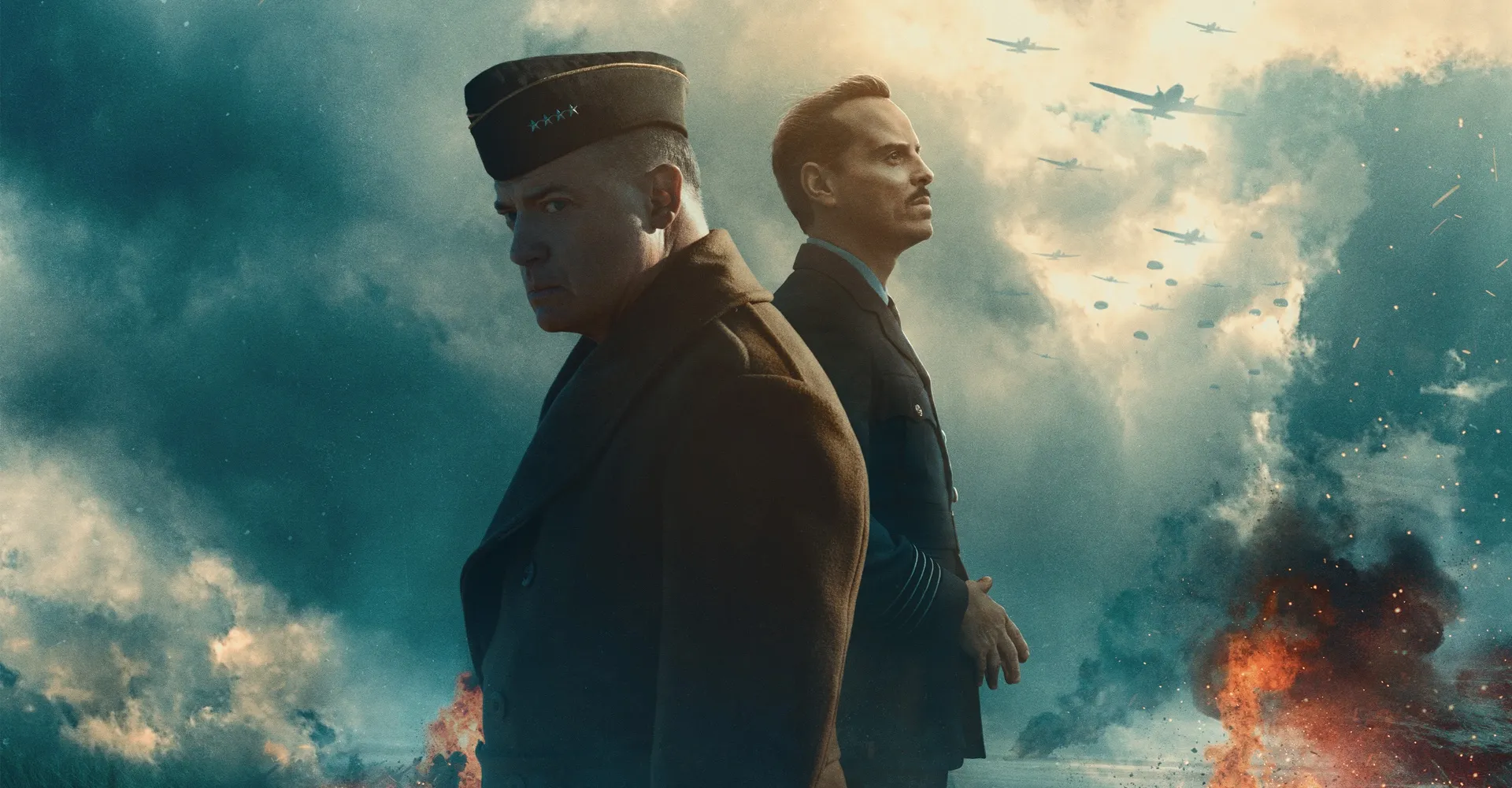
War films have long served a dual purpose: they entertain while slipping a lesson into the classroom’s final week. Anthony Maras’s latest effort, Pressure, continues that tradition by turning a high‑stakes meteorological debate into a tense, dialogue‑driven spectacle. Rather than relying on battlefield carnage, the film leans on the clash of egos inside a war room, asking whether the familiar World‑War II narrative still has fresh ground to cover.
Synopsis
In the tense days preceding the Normandy invasion, Allied commanders must decide whether to launch Operation Overlord despite a looming storm. Scottish meteorologist James Stagg is tasked with delivering the forecast that could make or break the operation. He finds himself at odds with brash American forecaster Irving P Krick, whose conflicting readings put General Dwight D Eisenhower in the middle of a high‑pressure deliberation. The film follows these three men as they argue, concede, and ultimately shape the course of history, all while the clock ticks toward the decisive hour.
Performances
Brendan Fraser delivers a commanding turn as Eisenhower, balancing the gravitas of a future president with the vulnerability of a leader caught between competing experts. His measured diction and steady presence anchor the picture, making the general’s internal conflict feel both personal and historic.
Andrew Scott portrays James Stagg with a restrained intensity; his Scottish brogue and understated frustration convey a man who trusts data over drama. Chris Messina steals scenes as Irving P Krick, injecting a loud‑mouth, Long Island‑bred energy that rivals the fiery performances of Alec Baldwin in Glengarry Glen Ross. Messina’s opening bar‑piano number is a flash‑point that instantly establishes his character’s antithetical nature to Stagg’s stoicism, injecting much‑needed vigor into an otherwise methodical first half. Together, the trio transforms a series of debates into a riveting verbal sparring match that holds the audience’s attention far longer than any explosion could.
Behind the Lens
Pressure marks Anthony Maras’s second feature following the earnest but uneven Hotel Mumbai. Here, Maras adapts a stage‑heavy source, retaining its clinical, talk‑first approach. The decision to keep the visual language subdued places the burden squarely on the actors, and the cast rises to the occasion. Cinematography is functional rather than flamboyant, favoring tight close‑ups that capture facial tics and shifts in tone.
The film’s pacing mirrors the indecision of its protagonists: a deliberate first half builds tension through dialogue, while the latter portion intersperses Eisenhower’s radio address with brief glimpses of the impending invasion, reminding viewers that the stakes are real even when the combat stays off‑screen. Although the lack of bold stylistic flourishes may leave some viewers craving more visual dynamism, the focus on performance ensures that the emotional core remains strong.
Final Verdict
Pressure succeeds as a character‑driven war drama that replaces gunfire with rhetorical firepower. Its strength lies in the electric interplay between Fraser, Scott, and Messina, whose performances elevate a potentially dry historical footnote into a compelling study of leadership under uncertainty. While the film’s restrained aesthetic may limit its appeal to audiences seeking visceral action, it offers a thoughtful, classroom‑friendly alternative that stimulates discussion about decision‑making, ethics, and the unseen forces shaping history. For viewers who appreciate nuanced acting and a smartly constructed narrative, Pressure is a worthwhile stream‑worthy addition to the war‑film canon.