

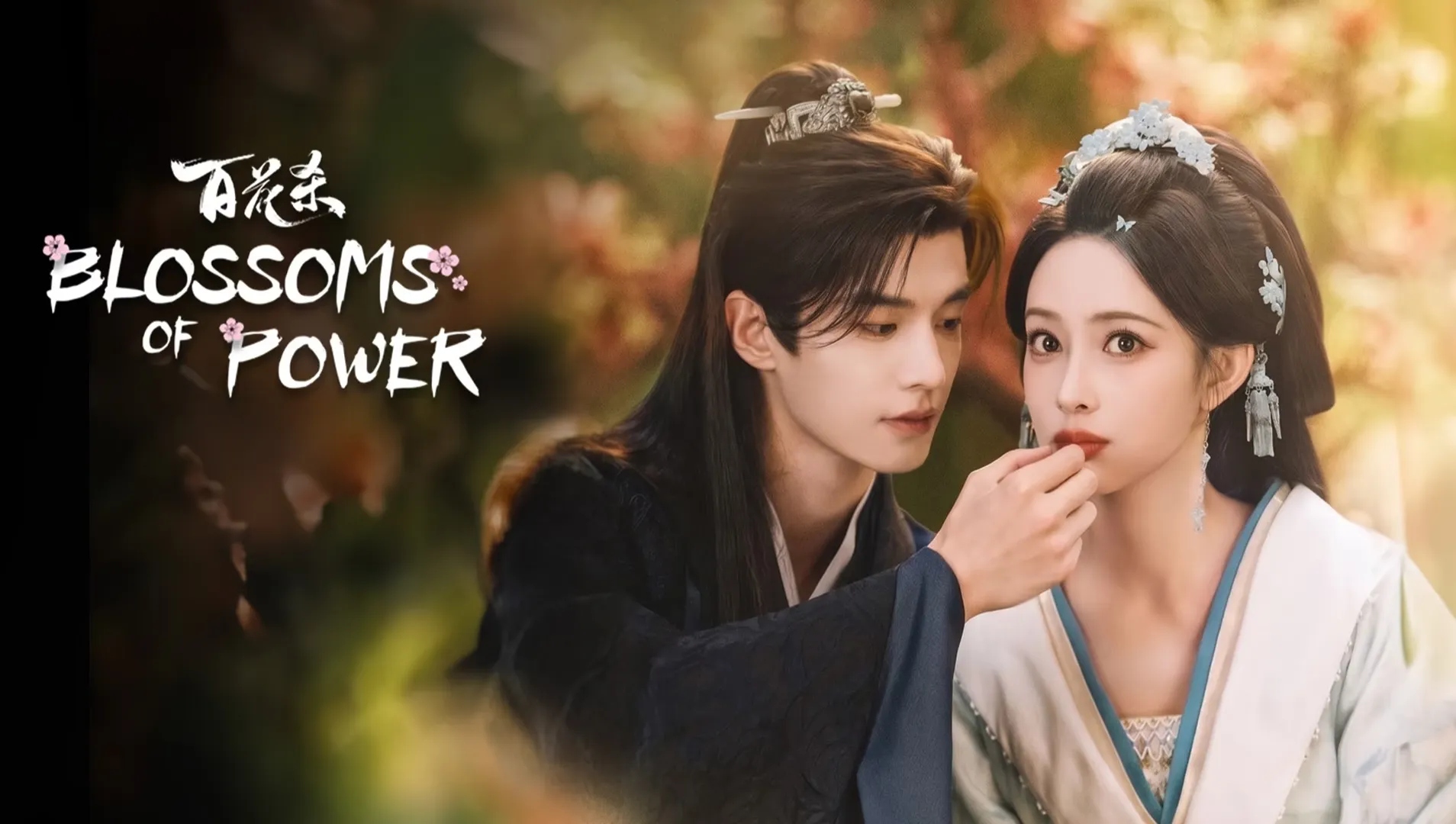
When a historical series manages to marry fresh revenge storytelling with a web of courtly manipulation, it instantly stands out in the crowded drama landscape. Blossoms of Power is exactly that kind of show. Directed by Zhong Qing and based on a popular novel, the series premieres with a dark prologue—an entire family wiped out because of political squabbles—before flipping the narrative into a second‑life plot that challenges fate itself. The early episodes set the tone: a mix of vengeance, strategic maneuvering, and subtle romance that feels both modern and timeless. This review unpacks the series’ premise, evaluates the cast’s efforts, peeks behind the camera, and delivers a final verdict on whether the show lives up to the hype.
Synopsis
Blossoms of Power opens with the tragic massacre of the Gu clan, a fallout from court power struggles. Gu Qingzhi, the sole survivor and consort of Prince Xin, chooses death over humiliation, only to awaken in a strange realm where destiny seems rewriteable. Meanwhile, Shen Xi He, a princess raised in luxury, is lured to the capital for the Empress Dowager’s birthday, only to be betrayed by her maid and left for dead in a river.
In her second chance, Qingzhi resolves to control her own fate. While traveling toward the imperial city, she crosses paths with Crown Prince Xiao Huayong, who is slowly dying from a childhood poison. Rather than simply returning the life‑saving medicine, Qingzhi uses the encounter to demonstrate her sharpened intellect, marking a clear break from her previous naïve self.
As the story progresses, the series introduces the mysterious Rouge Ledger—a secret record of corruption that becomes the prize every faction is desperate to control. The early arcs focus on Qingzhi’s strategic battles with various princes, the Emperor’s decree that she may choose any suitor, and the subtle, respectful bond forming between Qingzhi and Huayong based on mutual admiration rather than forced romance. The synopsis deliberately avoids major twists, letting viewers discover the full depth of palace conspiracies on their own.
Performances
The heart of Blossoms of Power lies in its cast, and each actor delivers a nuanced portrayal that elevates the material.
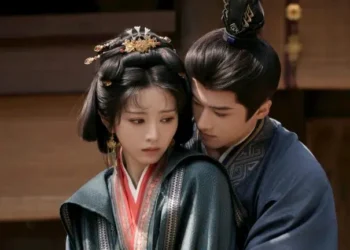
- Meng Ziyi embodies Gu Qingzhi / Shen Xi He with a fierce determination that never feels over‑acted. She convincingly conveys the weight of past trauma while also projecting the sharp, calculating confidence of a woman who has learned from her mistakes. Her eyes frequently narrate the internal clash between vulnerability and resolve.
- He Yu portrays Crown Prince Xiao Huayong with a delicate balance of fragility and cunning. His portrayal of a poisoned prince who must hide his weakness while navigating court politics is compelling; he lets the audience see the strain beneath the regal façade, yet never surrenders to melodrama.
- Fan Shuaiqi makes a strong debut as Bu Shulin, an imperial guard with a hidden agenda. His stoic demeanor and occasional flashes of warmth add an intriguing layer of unpredictability to the ensemble.
- Lai Weiming brings depth to Prince Chang Ying, delivering a character that feels both ambitious and morally ambiguous. His performance injects extra tension into the already fraught power struggles.
- The supporting cast, including several princes and court officials, each contributes to the rich tapestry of allegiances and betrayals, ensuring that no character feels merely decorative.
Together, the performances create a believable world where intelligence and emotion drive the narrative forward, rather than relying on contrived romantic tropes.
Behind the Lens
Director Zhong Qing demonstrates a firm grasp of both historical drama conventions and contemporary storytelling techniques. By choosing a non‑linear structure—jumping between the aftermath of the massacre and Qingzhi’s second‑life journey—he immediately signals that this series will be more than a typical court romance.
The adaptation from the novel is handled with care; the essential plot points are preserved while the pacing is tightened to suit a modern audience. The production design deserves special mention: elaborate costumes, intricate palace set pieces, and subtle color grading reinforce the era’s opulence without overwhelming the viewer.
Cinematography uses close‑ups during pivotal confrontations to capture subtle facial expressions, while wide shots of grand halls emphasize the isolation of the characters within the vast political machinery. The score blends traditional Chinese instrumentation with softer modern strings, underscoring both tension and tenderness at appropriate moments.
Furthermore, the series’ approach to exposition is noteworthy. Instead of bombarding the audience with endless name‑dropping, it introduces factions gradually—each alliance and betrayal feels earned, making the complex political landscape accessible to both newcomers and seasoned drama fans.
Final Verdict
Blossoms of Power succeeds in delivering a fresh take on the revenge‑meets‑palace‑intrigue genre. Its strongest assets are the well‑crafted characters, the intelligent writing, and the steady build‑up of mysteries—such as the origins of Huayong’s poison and the true purpose of the Rouge Ledger—that keep viewers engaged beyond the opening episodes.
The series refuses to rush the central relationship; instead, it allows the bond between Qingzhi and Huayong to develop through mutual respect and strategic collaboration, which feels refreshingly realistic. The performances, particularly by Meng Ziyi and He Yu, inject emotional depth into the political machinations, making the audience root for both the characters and their respective causes.
If you crave a drama that combines historical grandeur, strategic plotting, and a touch of romance—all while respecting your intelligence—Blossoms of Power is a must‑watch. The show sets a high bar for future entries in the genre and leaves viewers eagerly anticipating the next twists in the imperial saga.
Perfect for fans of revenge dramas, political thrillers, and character‑driven romance. Dive into Blossoms of Power for a rewarding viewing experience that rewards patience and attention.