

When a long‑term partnership reaches its tenth anniversary, audiences expect either a fairy‑tale renewal or a clean break. A Love Other Than Yours refuses both tropes, opting instead for a nuanced dissection of what happens when love persists but the relationship no longer functions. Premiered on KBS2 and Amazon Prime Video on September 12, 2026, the series follows Namgung Ho and Lee Mi‑do as they navigate shifting emotional boundaries, quiet resentments, and the uncomfortable realization that familiarity can become a cage. This review explores how the drama balances realism with melodrama, why the lead performances anchor its emotional core, and whether the series succeeds in turning a decade‑long love story into a compelling, spoiler‑free meditation on modern intimacy.
Synopsis
After ten years together, Ho and Mi‑do still share morning calls, shared chores, and the habit of saying “I love you” without thought. Yet beneath the routine lies a growing dissonance: Mi‑do’s stalled filmmaking career and Ho’s steady factory job expose differing visions of their future. A candid confession about six months of sexual abstinence triggers a cascade of misunderstandings, prompting both partners to question whether their enduring affection is a sign of commitment or a reminder of stagnation. The series uses flashbacks, everyday rituals, and subtle role‑play scenes to illustrate how love can survive even when the partnership itself feels fractured, setting the stage for a breakup that feels inevitable yet deeply painful.
Performances
Seo Kang‑joon delivers a restrained yet palpable portrayal of Ho, embodying the quiet reliability of a man who equates steadiness with love. His ability to convey genuine concern while inadvertently reinforcing Mi‑do’s sense of obligation makes his character both sympathetic and frustrating. Ahn Eun‑jin shines as Mi‑do, capturing the fragile tension between artistic ambition and emotional exhaustion. Her performance oscillates between vulnerable honesty and defensive sharpness, especially in scenes where she confronts her own career failures and the pressure from her mother. The chemistry between the two leads feels lived‑in; their banter, automatic “I love you” exchanges, and the palpable hesitation during the breakup sequence underscore a history that is both their strength and their source of pain. Supporting turns from the lawyer Han Tae‑sung and the workplace rival Park Soo‑ah add texture without overshadowing the central duo, serving as mirrors that reflect Ho and Mi‑do’s hidden insecurities.
Behind the Lens
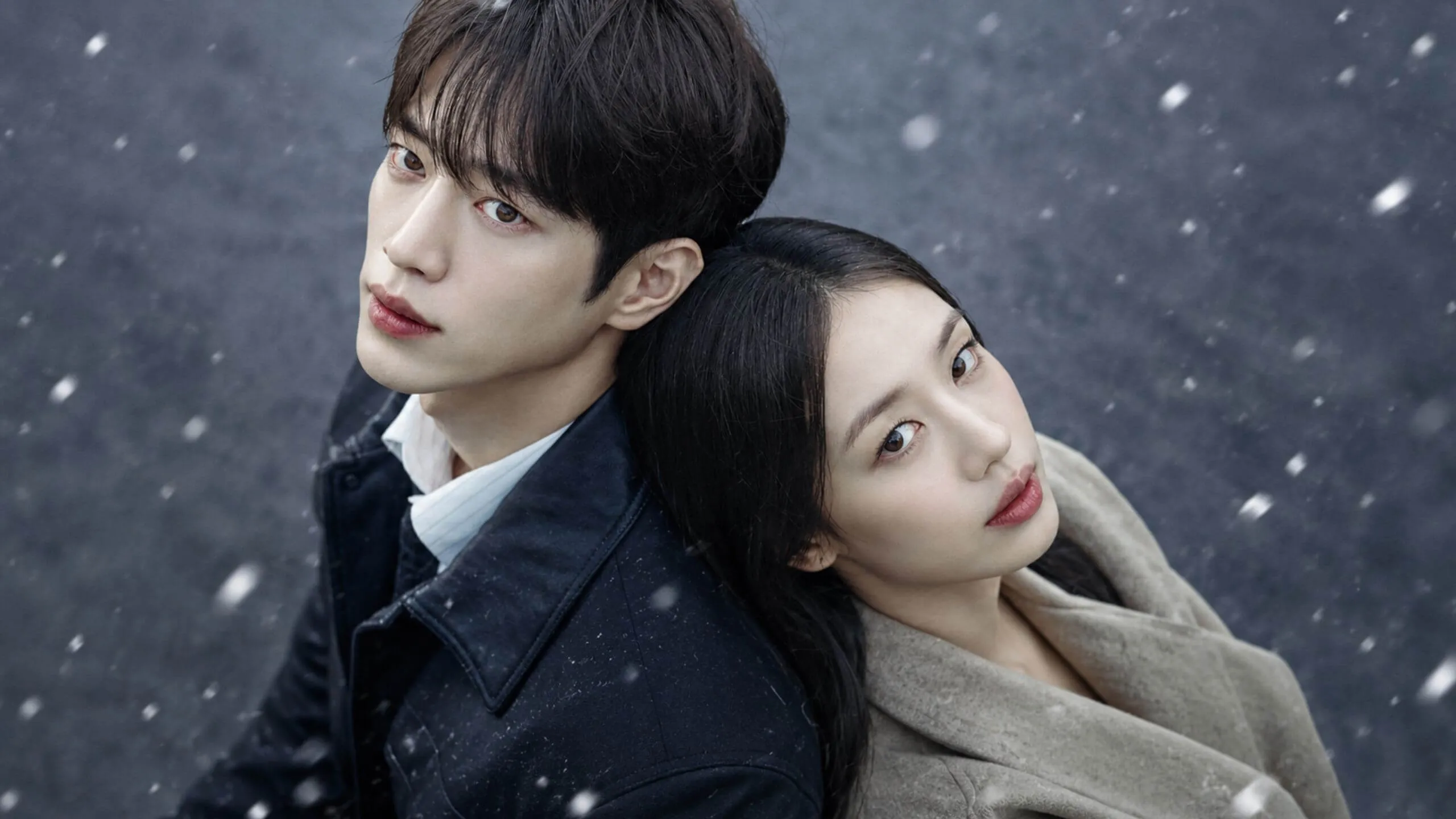
Director Kim Ji‑woo (credited as the series’ showrunner) adopts a deliberately languid pace, allowing everyday moments to breathe and reveal subtext. The cinematography favors muted palettes and tight framing during domestic scenes, emphasizing the claustrophobic intimacy of two lives that have become intertwined. The screenplay, penned by veteran writer Park Min‑soo, excels at layering dialogue: a simple bar encounter operates as both flirtation and a rehearsed ritual, while the recurring motif of snowfall ties past promises to present doubts. Sound design is deliberately sparse; the absence of a swelling score during the breakup heightens the realism of the automatic “I love you” that follows the decision to part. Editing cleverly intersperses flashbacks not as nostalgic filler but as active commentary, showing how each memory reshapes the characters’ perception of their current impasse.
Final Verdict
A Love Other Than Yours succeeds where many relationship dramas falter: it refuses to paint either partner as a villain or victim, instead presenting a mutually understandable evolution of love that has outgrown its original form. The series’ greatest strength lies in its willingness to sit with discomfort—letting the audience feel the weight of a decade’s worth of habits, the sting of unmet expectations, and the quiet horror of realizing that care can be misread as obligation. While the introduction of potential new love interests threatens to simplify the narrative, the show thus far keeps those threads in service of the central theme rather than letting them devolve into cliché. For viewers seeking a mature, emotionally resonant exploration of love’s endurance—and its limits—this drama offers a rewarding, thought‑provoking experience.
Also Read:
Prime Video and KBS2 Set Premiere Date for Emotional New Melodrama “A Love Other Than Yours”