

I have long counted myself among Agatha Christie’s ardent admirers, so confessing that I had never opened a “Tommy and Tuppence” novel felt a little embarrassing. My credibility as a Christie completist took an early hit, but the gap also gave me a clean slate: I could approach the new BritBox adaptation without any preconceived ideas about how these detectives should behave. What I wanted was a pair of amateur sleuths whose banter would make me feel foolish before it left me smiling. The series delivers on that front, even when the whodunits stumble. Below is a detailed look at why the chemistry between the leads carries the show, where the mysteries falter, and whether the overall package is worth your time.
Synopsis
Set in contemporary Britain, the series follows the rekindled partnership of Tommy and Tuppence—former lovers who reunite at a wedding where Tommy works as a photographer. A sudden murder interrupts the festivities, pulling the inquisitive Tuppence into an investigation that drags the reluctant Tommy along for the ride. Assisted by Tommy’s sharp‑tongued Aunt Ada, the duo navigates three separate mysteries across six episodes, each case unfolding in two‑part installments. Alongside the crimes, their unfinished romantic tension simmers beneath the surface, providing a continuous thread that ties the episodes together. The show balances light‑hearted detective work with the lingering question of whether these two will ever move past their history.
Performances
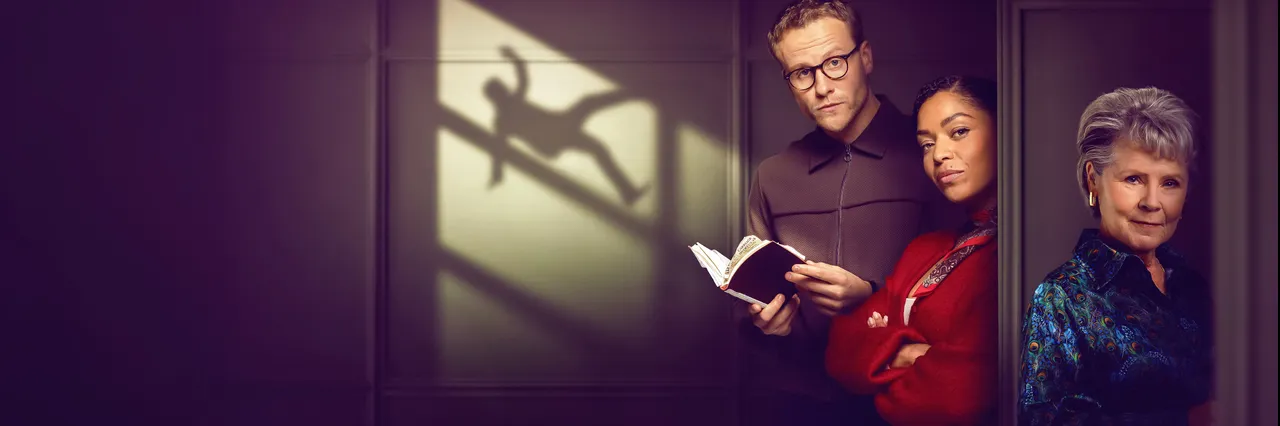
Antonia Thomas injects Tuppence with a restless curiosity that feels both endearing and slightly reckless. She has a knack for drawing people out, noticing the tiny details that others overlook, and her confidence occasionally tips into frustration—an imperfection that makes her far more compelling than a flawless amateur sleuth. Thomas’s portrayal captures the thrill of someone who simply cannot mind her own business, turning every conversation into a potential clue.
Josh Dylan’s Tommy provides the perfect counterbalance. Warm, grounded, and never portrayed as a mere obstacle to Tuppence’s zeal, he brings an appealing awkwardness to their reunited dynamic. Dylan avoids the trap of making Tommy a stiff foil; instead, he lets the character’s hesitancy evolve into genuine partnership as the series progresses. Their on‑screen rapport feels authentic, and the subtle tension between professional camaraderie and lingering affection is handled with restraint—something many romantic‑drama series struggle to achieve.
Imelda Staunton, as Aunt Ada, offers a delightful dose of wit and wisdom. Her presence grounds the duo when their enthusiasm outpaces their expertise, and she delivers several of the show’s most memorable one‑liners without ever stealing the spotlight from the leads.
Behind the Lens
The adaptation benefits from a polished production design that transplants Christie’s classic sensibility into a modern setting without feeling forced. Cinematography shifts smoothly between the glossy backdrop of West End theatres, the intimate confines of a retirement community, and the bustling streets of London, giving each mystery its own visual flavor. Direction keeps the pacing brisk; the two‑episode‑per‑case structure allows enough time for clue‑laying while preventing any single story from overstaying its welcome.
However, the writing is where the series shows its weakest links. While the individual mysteries present intriguing setups—stolen jewels, hidden motives, and cryptic conversations—the resolutions occasionally lack the satisfying “aha!” moment that Christie’s best works deliver. Explanations tend to account for the events but rarely make the audience feel they have missed a clue sitting plainly in view. This unevenness does not ruin the experience, but it does prevent the show from reaching the heights of pure puzzle‑solving delight that fans of the author often crave.
Final Verdict
Agatha Christie’s Tommy & Tuppence succeeds primarily because of its central pairing. Antonia Thomas and Josh Dylan generate a chemistry that makes each episode enjoyable, even when the plot mechanics sputter. Imelda Staunton’s supportive turn adds extra charm, and the series’ modern aesthetic keeps the material feeling fresh.
If you approach the show expecting airtight Christie‑level mysteries, you may find yourself slightly disappointed by the uneven payoffs. Yet if you value character interaction, witty dialogue, and the slow‑burn of a romance‑tinged partnership, the series is a worthwhile watch. The first season lays a solid foundation for future cases, and I would gladly tune in for a second installment—hopefully with mysteries that match the sparkle of the leads.