

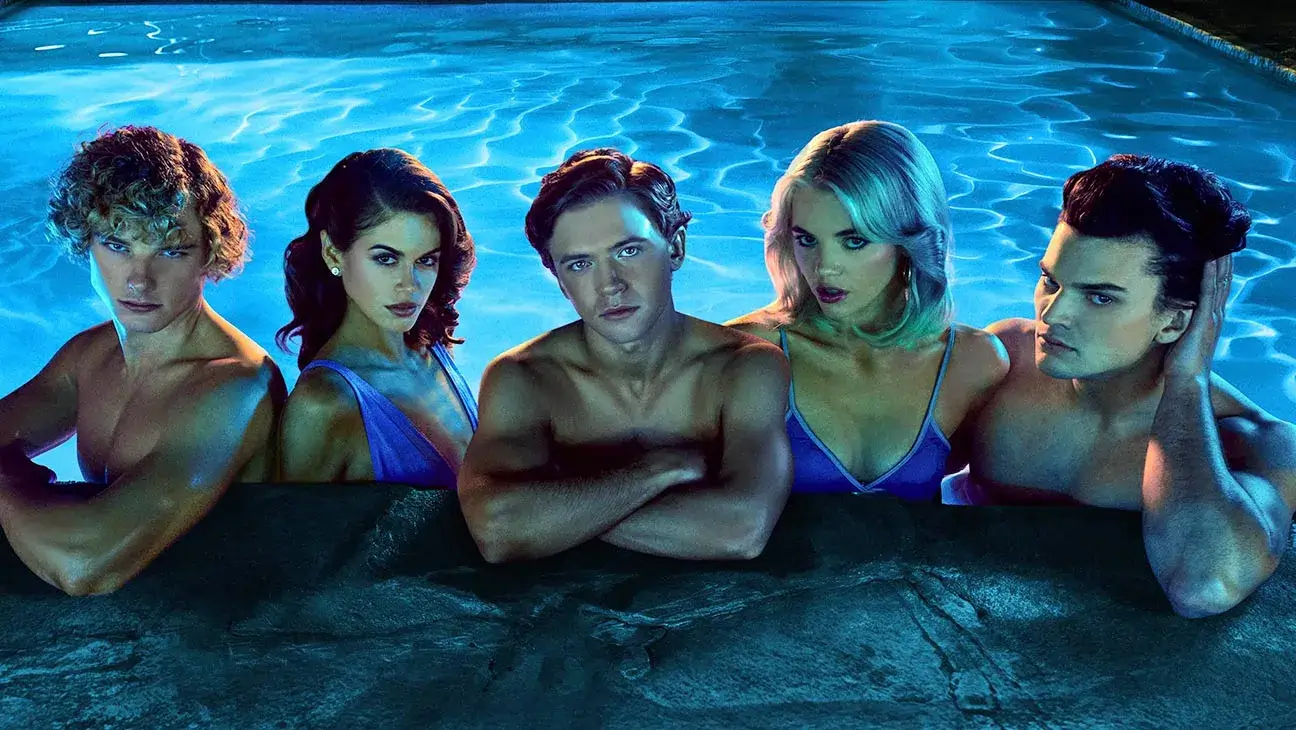
When The Shards debuted on August 5, 2026 on FX and Hulu (JioHotstar in India), it immediately sparked conversation among fans of period‑piece thrillers. Set against the neon‑slick backdrop of early‑1980s Los Angeles, the series promises a blend of glossy visuals, razor‑sharp dialogue, and a murder‑mystery that seeps into the privileged world of elite prep‑school students. Created by literary provocateur Bret Easton Ellis and television auteur Ryan Murphy, the show attempts to marry Ellis’s cool, observational tone with Murphy’s flair for stylized storytelling. The result is a nine‑episode coming‑of‑age thriller that oscillates between satire, horror, and melodrama, inviting viewers to question how much of adolescent angst is shaped by the era’s excesses—and how much is timeless.
Synopsis
In 1981, a tight‑knit clique of wealthy teenagers navigates their final year at an exclusive Los Angeles prep school. Their lives, marked by absent parents, lavish parties, and a casual attitude toward cocaine, are upended when a mysterious transfer student arrives and a series of brutal murders begins to haunt the city. As the group’s bonds are tested by suspicion, rivalry, and hidden desires, the series explores the fragile façade of privilege while a relentless killer—dubbed the Trawler—looms in the shadows. The narrative balances a tense whodunit with an intimate portrait of youth grappling with identity, loyalty, and the looming specter of adult secrets.
Performances
The cast delivers uniformly strong work, anchoring the series’ tonal shifts. Igby Rigney shines as Bret, the group’s de facto narrator; his restrained exterior masks a simmering vulnerability that surfaces through subtle gestures and a measured voice‑over. Rigney’s ability to convey both confidence and quiet insecurity makes Bret a compelling focal point.
Homer Gere portrays the enigmatic Robert Mallory, whose confident smile hints at deeper knowledge. Gere excels when he challenges Bret’s composure, though the character’s menace occasionally leans on atmospheric music and lingering glances rather than fully fleshed‑out motivation.
Kaia Gerber brings a polished poise to Susan, embodying the privileges and pressures of her social sphere, while the supporting turns by the actors playing Debbie and Thom add texture to the group’s dynamic. Each performance feels intentional, contributing to the show’s exploration of how outward sophistication can conceal inner turmoil.
Behind the Lens
Visually, The Shards is a love letter to 1980s Los Angeles. Production designers recreate the era with meticulous attention to fashion, automobiles, and street‑level culture, while the cinematography bathes scenes in a warm, slightly hazy glow that evokes both nostalgia and unease. The soundtrack—packed with period‑appropriate hits—drives the mood forward, although at times the reliance on popular tracks can undercut tension, letting the music overshadow the scene’s stakes.
Director‑wise, Ryan Murphy’s signature glossy aesthetic meets Bret Easton Ellis’s cooler, more detached narrative voice. The marriage is largely successful, yielding sequences that feel both stylish and thematically resonant. However, the series occasionally struggles to balance its tonal ambitions; moments of camp—such as an elaborate dance competition—can feel discordant with the underlying horror, pulling the viewer out of the suspenseful core.
The show also attempts to weave in the emerging AIDS crisis of the early ’80s, offering a sobering counterpoint to the characters’ hedonistic lifestyle. While this addition adds depth, its integration with the central murder plot remains somewhat superficial, leaving the theme feeling more like an aside than a fully realized strand.
Final Verdict
The Shards succeeds as a visually arresting, emotionally charged thriller that captures the decadence and dread of early‑1980s Los Angeles. Its strongest assets lie in the committed performances—particularly Igby Rigney’s nuanced Bret—and the series’ ability to render a specific time and place with vivid authenticity. The blend of Ellis’s literary sharpness and Murphy’s televisual flair creates a unique viewing experience, even if the show occasionally stumbles when juggling satire, horror, and teen drama.
For viewers who appreciate period pieces that marry style with substance, The Shards offers a seductive, chaotic ride worth taking. While inconsistencies prevent it from reaching outright masterpiece status, the series leaves enough intrigue and unresolved questions to hint at a potential continuation—making it a worthy addition to the current slate of prestige television.
Also Read:
Neon Lights and Nightmares: Ryan Murphy’s “The Shards” Brings 1980s Malaise to FX