

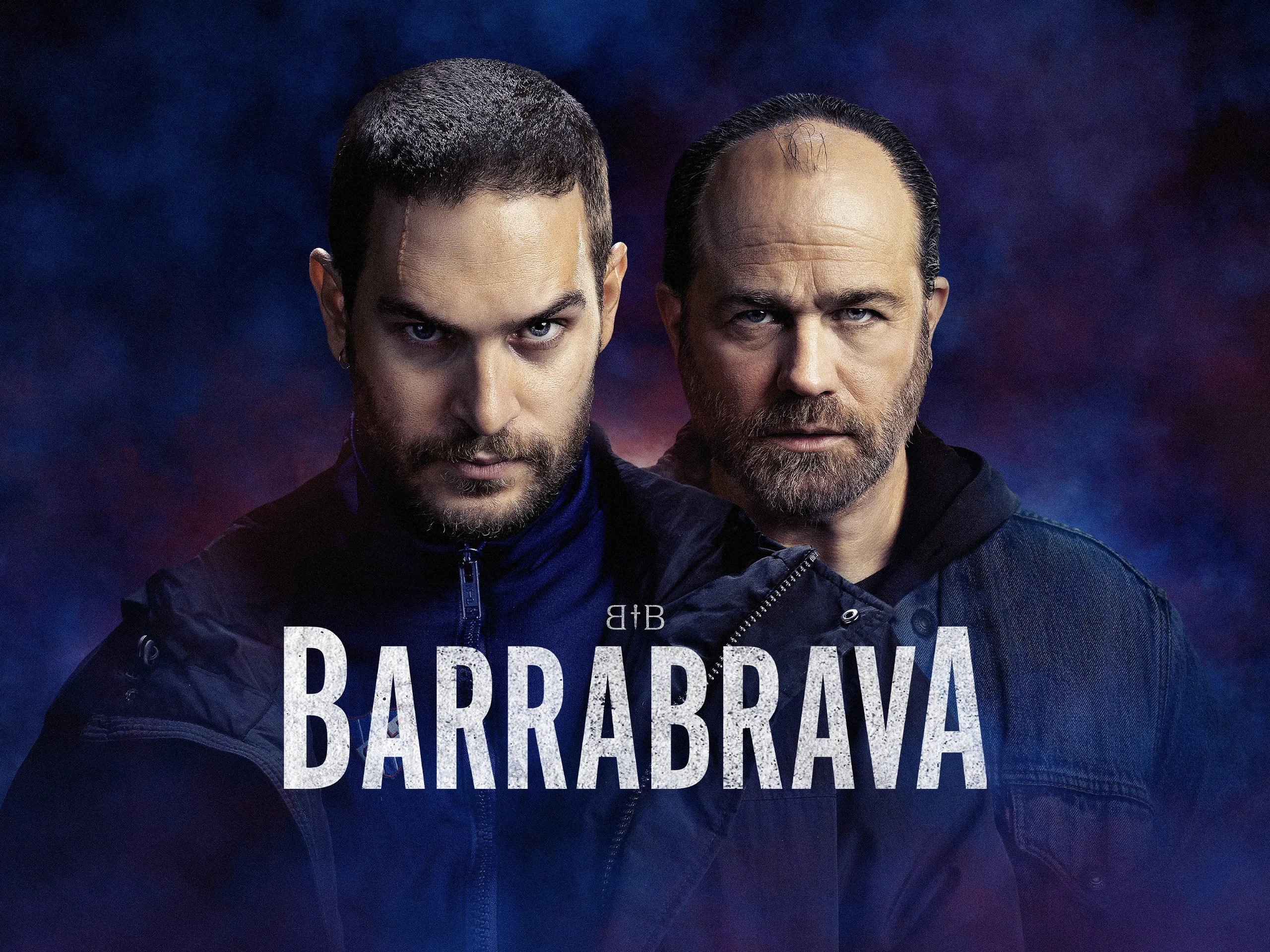
The second chapter of Barrabrava arrives on Prime Video with a decisive pivot. Where the first season followed two brothers fighting their way back into a feared fan group, season 2 shows the group’s leader, El Polaco, slipping into the very chair that has always been held for him. The episode that marks this transition contains no gunfire, yet the power dynamics shift dramatically. A few supportive hands confirm the decision, and the entire network of stadium revenue, police protection and political favors is quietly reassigned.
From Outlaw Thriller to Institutional Drama
Barrabrava debuted as a crime thriller about the Urrutia brothers being expelled from the barra they had served for years. In the new season, the focus flips. El Polaco is back at the top, but the central conflict is no longer “outsiders versus the system.” Instead, the story asks what happens when the system itself is taken over by one of its own. The eight‑episode arc pits Polaco against the responsibilities of the chair he has just occupied, turning every boardroom meeting into a ritual of paperwork, handshakes and calculated numbers.
The Show’s Structural Approach
Creator Jesús Braceras, together with co‑directors Gabriel Nicoli, Lucía Garibaldi and Felipe Gómez Aparicio, treats the promotion as ordinary labor rather than a moment of triumph. The camera stays at chest level inside locker rooms and modest offices, refusing the high‑angle “bird’s‑eye” perspective that would distance viewers from the action. Sound design follows the same logic: long stretches without a musical score let the institutional dialogue—negotiations over stadiums, implicit favors, cold cruelty—carry the narrative weight. When music does appear, it is a local cumbia or trap track played on a phone speaker, never a sweeping orchestral cue.
Performances Aligned with the Theme
Matías Mayer portrays Polaco with a weariness that suggests he already knows the demands of the new role. He does not act the victorious hero; he embodies the moment immediately after the rise, when the chair begins to ask for more. Gastón Pauls’s César is tougher this season, shifting from protective elder to rival who must now defend the plan he originally created. Supporting players—Violeta Narvay, Miguel Ángel Rodríguez, Mónica Gonzaga and Ángelo Mutti Spinetta—move with the practiced predictability of people who have lived through the worst versions of each scenario. New faces such as Gustavo Garzón, Liz Solari and Pablo Alarcón appear not as villains but as colleagues who keep the organization running while the brothers pull at its seams.
A Mirror of Real‑World Argentine Power
The series does not rely on metaphor to comment on Argentine football culture; it mirrors reality. For more than fifty years, fan groups have moved money, votes and intimidation through clubs, creating a parallel power structure that intertwines with municipal and federal authorities. The show’s audience already recognizes the late‑arriving police, the official photographer who doubles as a courier, and the kiosks that profit on match days. By not explaining these details, Barrabrava respects the viewer’s familiarity with the social fabric it depicts.
Positioning Within the Argentine Institutional Tradition
Barrabrava inherits a lineage that includes Israel Adrián Caetano’s social realism and Pablo Trapero’s procedural style—works that taught viewers to read criminality as an extension of the state. Unlike earlier series that needed a prison or cult setting to convey its argument, Barrabrava finds the institution inside a football club itself. Its closest international counterpart is Stefano Sollima’s crime dramas, which explore city‑wide syndicates; Barrabrava examines the power that lurks beneath a single stadium.
Prime Video’s Strategic Bet
Amazon’s Prime Video has placed Barrabrava at the forefront of its Latin American Originals slate, aiming to challenge Netflix’s dominance in regional content. Renewed after only one season, the series expanded its writing team—adding Cecilia Guerty, Mariano Hueter and Julio Boccalatte—to a core group that already included Gabriel Nicoli, Mariana Wainstein, Diego Fió and Bruno Luciani. The decision to release the show globally on the same day, without a U.S. rewrite, underscores Prime Video’s confidence that an Argentine‑centric drama can resonate worldwide.
The Unanswered Question
Season 2 intentionally avoids delivering a tidy verdict. Polaco is neither punished for assuming the chair nor redeemed by his new responsibilities. The institution that promoted him is shown, through subtle visual cues, already absorbing him as another component of its machinery. The lingering question is not whether the brothers can mend their relationship, but whether any individual can dismantle a self‑sustaining organism from within without first becoming the part that must later be removed.
Barrabrava Season 2 dropped globally on Prime Video on 22 May 2026, offering eight tightly crafted episodes that blend crime thriller intensity with a meticulous study of institutional power.