

Tom Segura has never been a comedian who plays it safe. From his gravelly delivery to his willingness to dive into the uncomfortable corners of human psychology, Segura has built a career on saying the quiet parts out loud. But with Bad Thoughts on Netflix, he has graduated from stand-up discomfort to something that feels almost experimental—a sketch series that refuses to give audiences the traditional breathing room that comedy typically provides. The show operates on a premise that sounds simple but proves devastatingly effective: comedy exists to name the thoughts that polite society demands we bury. Season two, dropping on Netflix with six new episodes, doubles down on this concept while expanding the scope and raising the stakes in ways that feel both ambitious and slightly dangerous.
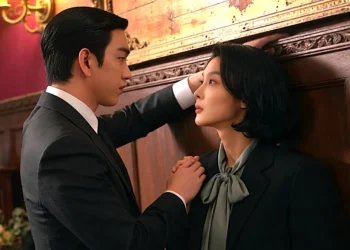
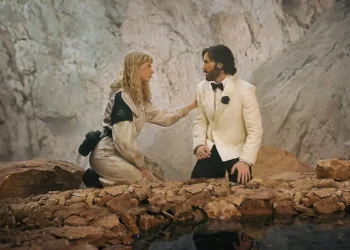
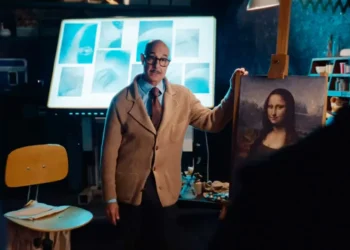
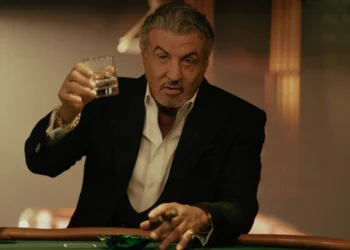
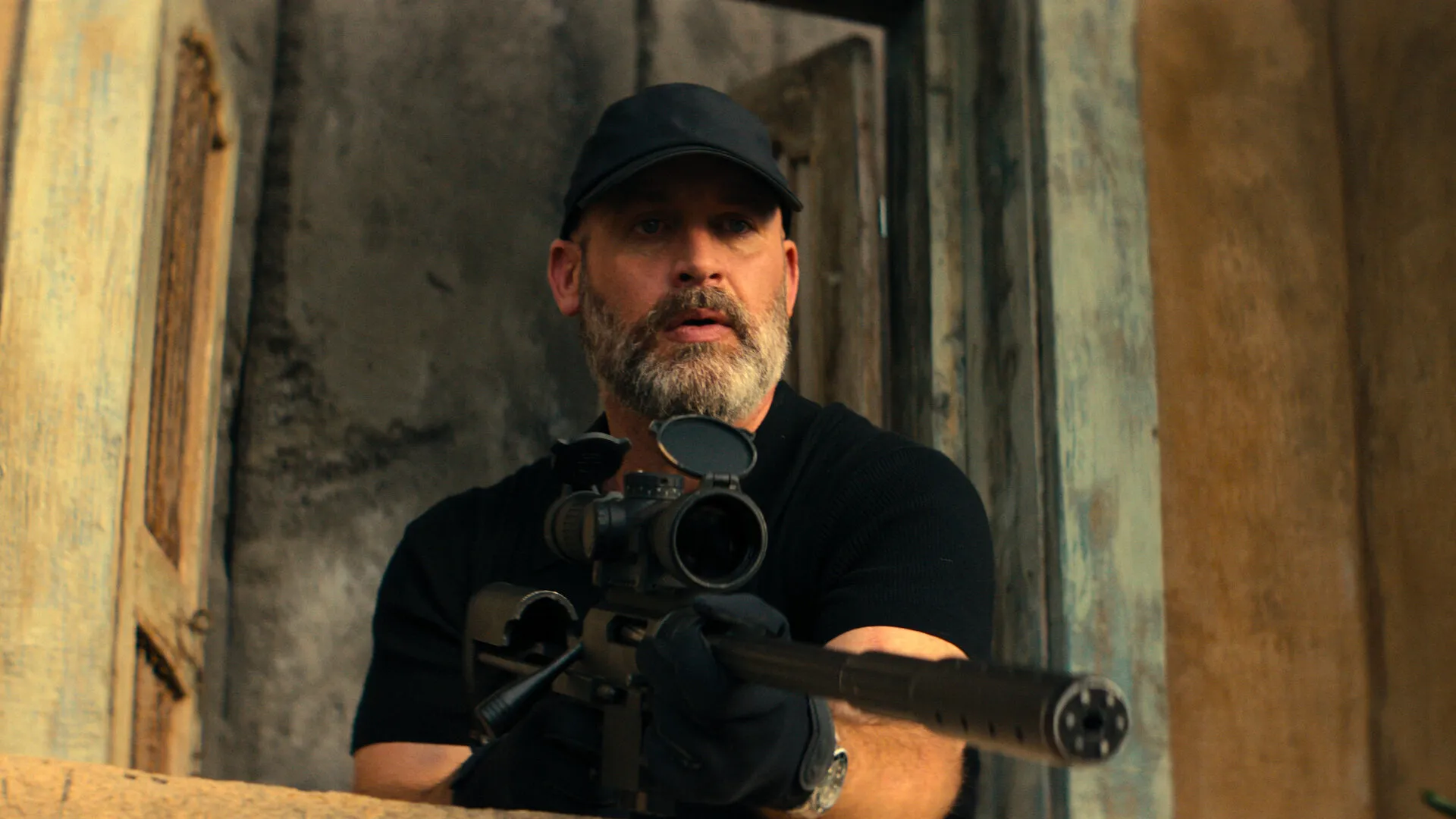
The beauty of Bad Thoughts lies in its refusal to wink. Traditional sketch comedy operates with an implicit contract—the lights go flat, the score drops out, and performers signal that nothing happening on screen should be taken seriously. Segura’s series tears up that contract entirely. Each vignette is lit like a short film and scored like a thriller, transforming what might otherwise be simple joke delivery into something that resembles genuine dramatic cinema. The scenarios feel less like setups for punchlines and more like actual situations the cast is trapped within, unable to escape until the scene naturally resolves. This production choice transforms the viewing experience from passive amusement to active discomfort, and somehow that discomfort becomes the source of the comedy.
Synopsis
At its core, Bad Thoughts is built on a single provocative idea: the difference between a comedian and a sociopath is not the thoughts they express, but their willingness to film those thoughts and share them with an audience. The series creates scenarios that viewers have likely half-imagined at some point in their lives—the petty resentment masquerading as honest feedback, the inappropriate impulse rehearsed in private moments, the social rules everyone follows without genuinely believing in them. Segura and his collaborators construct these scenarios with meticulous care, then film them with the gravity of serious dramatic work.
Season two continues this mission while tightening the screws on the formula. The new episodes allocate more screen time to scenarios that become funnier precisely because the camera refuses to look away or provide the audience with an easy escape hatch. The comedy lands because the production refuses to break first, essentially daring the audience to disengage before the scene does. This creates a fascinating tension where viewers find themselves complicit in scenarios they might otherwise find indefensible, and that complicity becomes the actual joke.
The structure of each episode remains anthological, with Segura appearing in nearly every vignette as a kind of constant observer navigating through various uncomfortable situations. The scenarios range from workplace interactions to social gatherings, each one constructed to expose the gap between how people are supposed to behave and how they actually think when no one is watching. By filming these moments with complete sincerity, the production transforms abstract social commentary into something viscerally uncomfortable and therefore genuinely funny.
Performances
What makes Bad Thoughts work visually is the commitment from its cast. Segura himself serves as the anchor, appearing in nearly every scene with a straight-faced intensity that prevents any easy ironic distance. His stand-up persona—the slightly world-weary everyman who says the inappropriate thing—functions as the load-bearing element that holds each scenario together. He walks into premises that would never appear in his stand-up specials and performs them as if they were happening to him in real time.
The supporting cast has been carefully curated to enhance this effect. Daniella Pineda and Robert Iler represent the kind of actors who can play scenes completely straight against a comedian who might naturally want to break, creating tension that fuels the comedy rather than deflating it. The guest list for season two reads like a comedy industry roll call, featuring Luke Wilson, Maria Bamford, Kevin Nealon, Busy Philipps, Jamie-Lynn Sigler, Tim Baltz, Brian Huskey, and Christina Pazsitzky. This casting choice is itself a joke—each recognizable face walking into scenarios that test their willingness to be photographed doing uncomfortable things.
The casting strategy reveals Segura’s understanding of comedy performance. A Sopranos alumna agreeing to perform a Segura scenario becomes the joke before any specific line lands. The recognizability of these faces becomes part of the punchline, a commentary on what public personas are willing to sacrifice for the sake of a bit. The actors commit fully to scenarios that would feel too dark without that commitment, trusting the production to land the humor in the space between sincere performance and indefensible content.
Behind the Lens
The production choices in Bad Thoughts represent its most radical departure from traditional sketch comedy formats. Traditional sketch shows signal their artificiality through visual shorthand—single-camera coverage, deliberately stagey lighting, introductory cards that bracket the scenario as fiction. Segura’s series rejects all of these conventions in favor of feature-film grammar. The location work is real, the lighting is motivated by the environment, transitions carry musical scores, and performances play through to natural beats rather than rushing toward joke payoffs.
This production philosophy removes the protective cue that tells audiences it is safe to read scenarios as commentary. When sketches are filmed with the gravity of dramatic cinema, the vignettes play as situations rather than jokes. The comedy emerges from the gap between how scenarios are shot—earnestly, attentively, with complete dramatic commitment—and what actually happens within them. The architecture becomes the joke itself. This approach shares DNA with the work of Tim Robinson, whose I Think You Should Leave similarly uses production values to transform sketch comedy into something more unnerving, but Segura’s execution moves further from traditional sketch conventions.
The authorship here is crucial to understanding what makes the series distinctive. Segura created the show, directs it, executive-produces it through his YMH Studios company, and stars in nearly everything. This level of creative control means that when a sketch lands wrong, it is clearly his responsibility, but when it lands right, the audience perceives the entire apparatus as a unified voice. The YMH ecosystem—encompassing the Your Mom’s House and 2 Bears 1 Cave podcasts, years of road performances, and countless hours of content creation—serves as the laboratory where these jokes incubate before reaching the screen.
Final Verdict
Bad Thoughts represents one of the most interesting experiments in contemporary comedy streaming, a series that asks uncomfortable questions about what audiences are willing to watch and why they find certain transgressions funny. The series operates on the theory that comedy succeeds when it gives audiences permission to admit thoughts they would otherwise suppress, and the cinematic production removes the fourth wall that typically provides protection. There is no ironic frame, no winking acknowledgment that the show knows it is crossing lines. The scenarios are filmed as if they are happening, and the audience laughs anyway.
Season two refines this formula while expanding its ambitions. The expanded guest list brings in performers from outside the stand-up world—actors like Luke Wilson and Jamie-Lynn Sigler—suggesting Segura’s desire to transform the series from comedy special into something closer to a true half-hour anthology. The early test case appears successful; these guests commit to scenarios with dramatic sincerity that makes the uncomfortable comedy land harder than traditional sketch performance might achieve.
The deeper question the series refuses to answer is what the laughter is actually protecting viewers from. The honest possibility is that the audience shares the thoughts being filmed, and the comedy provides permission to acknowledge that shared experience. But answering that question would dissolve the contract that makes the vignettes funny in the first place. By refusing to examine itself, Bad Thoughts survives and thrives, making season two essential viewing for anyone interested in where comedy can go when it abandons safety and embraces the uncomfortable truths that make us laugh precisely because we recognize them in ourselves.