


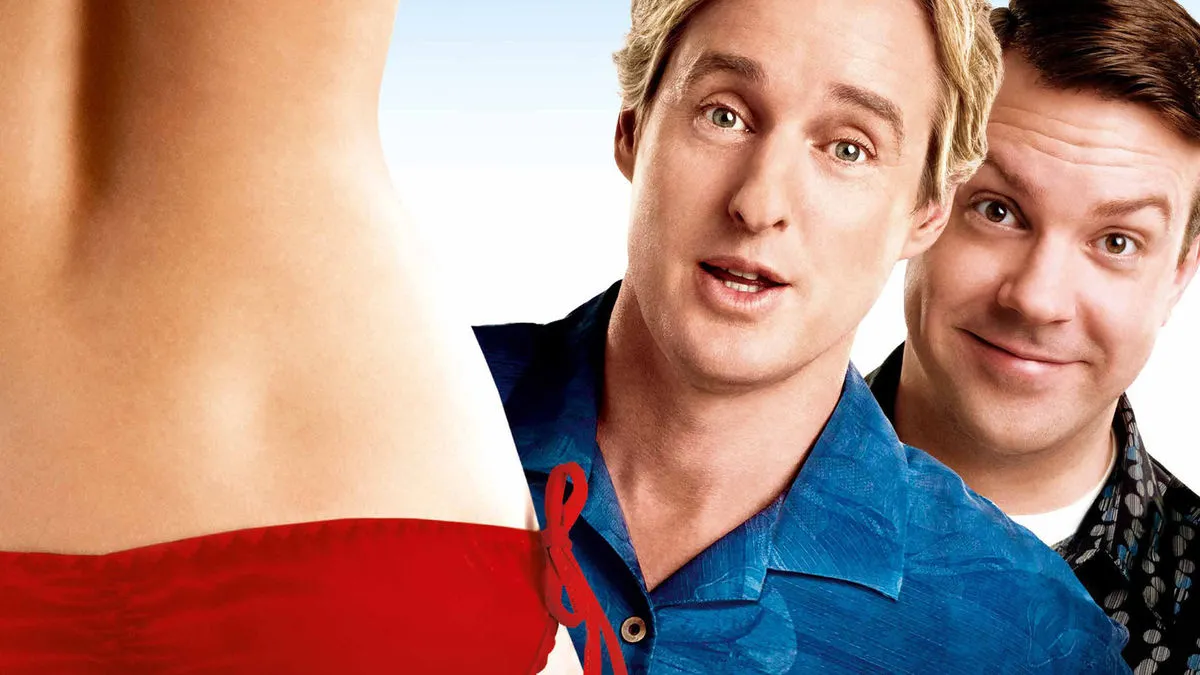
The idea of a “hall pass” – a temporary permission to pursue a celebrity crush without consequence – has long been a staple of bar‑room banter and sitcoms. In 2011 the Farrelly brothers turned that playful question into a full‑length comedy, Hall Pass, featuring an ensemble that reads like a who’s‑who of mid‑2000s Hollywood. Fifteen years later the film has resurfaced, landing in the HBO Max Top Ten and reminding viewers why a certain brand of raunchy, relationship‑focused humor feels both nostalgic and surprisingly fresh in the streaming era.
The Premise: A Married Couple’s Fantasy
At its core, Hall Pass follows two longtime spouses – Owen Wilson’s Rick and Jenna Fischer’s Maggie – who find themselves stuck in a stagnant bedroom routine. Their respective best friends, Jason Sudeikis’s Fred and Christina Applegate’s Grace, share the same complaint. After a candid lament about the freedom of single life, the wives agree to a one‑week “hall pass” that lets each husband act as if they were unattached, with no strings attached. The setup is simple, yet it opens the door to a series of awkward, hilarious, and oddly revealing encounters.
Cast and Chemistry: Recognizable Faces
What makes the film instantly watchable is the familiarity of its performers. Owen Wilson and Jenna Fischer bring a laid‑back, everyman charm that grounds the farcical premise. Jason Sudeikis, still riding the wave of his Saturday Night Live fame, and Christina Applegate, whose comedic timing is razor‑sharp, serve as the perfect counterpoints. The supporting roster – Stephen Merchant as Gary, J.B. Smoove as Flats, Nicky Whelan as the eager barista, and Alexandra Daddario as the flirtatious babysitter – adds layers of recognizable character actors who, despite being given playful nicknames, feel like genuine friends you might meet at a neighborhood barbecue.
The Hall Pass Experiment: What Happens When Rules Are Loosened
Once the pass is granted, the movie follows the men as they venture out with their buddies. A now‑iconic scene shows the quartet heading to an Applebee’s, a setting that doubles as both a comedic backdrop and a blatant product placement – arguably the most melancholy brand integration in recent cinema. The outing reveals the protagonists’ limited “game,” yet somehow both the hot barista (Whelan) and the babysitter (Daddario) express genuine interest in Owen Wilson’s character. This paradox fuels much of the film’s humor: the characters overestimate their appeal, only to be humbled by reality, while the women’s own hall passes unfold in parallel, leading to predictable yet satisfying conclusions.
Product Placement and Pop‑Culture Moments
Beyond the Applebee’s visit, Hall Pass is littered with brief, conspicuous brand cues that feel like time capsules of early‑2010s advertising. These moments, while occasionally jarring, contribute to the film’s satirical edge, highlighting how easily commercial interests can seep into even the most irreverent narratives. The scene has since become a staple in meme culture, often quoted when discussing the odd sincerity of forced sponsorships.
Box‑Office Context: From $13 Million to Streaming Success
When Hall Pass debuted, it managed to clinch the number‑one spot at the box office on its opening weekend, outperforming the family‑friendly Gnomeo and Juliet with a modest $13.5 million gross. In today’s market, that figure is comparable to what a major superhero film like Spider‑Man: Brand New Day earns in under ten minutes of streaming revenue. The contrast underscores how the economics of cinema have shifted: a mid‑budget comedy that once dominated theaters now finds its second life on platforms like HBO Max, where binge‑friendly, low‑stakes fare thrives.
The Farrelly Brothers’ Signature Style
Fans of the Farrelly brothers will recognize the DNA of Hall Pass in earlier hits such as Dumb and Dumber and There’s Something About Mary. The duo’s trademark blend of gross‑out humor, heartfelt sentiment, and a willingness to push the boundaries of good taste is on full display. Yet unlike some of their later efforts, Hall Pass manages to balance its raunchiness with a surprisingly sincere meditation on marital complacency and the grass‑is‑always‑greener mindset.
Why It Works as a Streaming Binge
Streaming services have become the ideal home for comedies that rely more on situational jokes than intricate plotting. Hall Pass fits this mold perfectly: its premise can be grasped in a few minutes, its gags are front‑loaded (many appeared in the trailer), and its runtime allows viewers to dip in and out without losing the thread. For audiences multitasking with games like Marvel Strike Force or scrolling through social feeds, the film offers a steady stream of laughs that don’t demand undivided attention – a crucial attribute for today’s fragmented viewing habits.
A Timeless Comedy for Modern Audiences
Hall Pass may have premiered over a decade ago, but its themes remain relevant. The film captures a universal curiosity about desire, freedom, and the routines that settle into long‑term partnerships. By wrapping those questions in a veil of crude humor and celebrity‑cameo charm, the Farrelly brothers created a piece that feels both of its moment and oddly timeless. Its current perch in the HBO Max Top Ten is less a fluke and more a testament to the enduring appeal of a comedy that dares to ask: what would happen if we were allowed to act on our fantasies, even just for a week?
Hall Pass is also available on JioHotstar (India) and on Netflix in specific regions.