


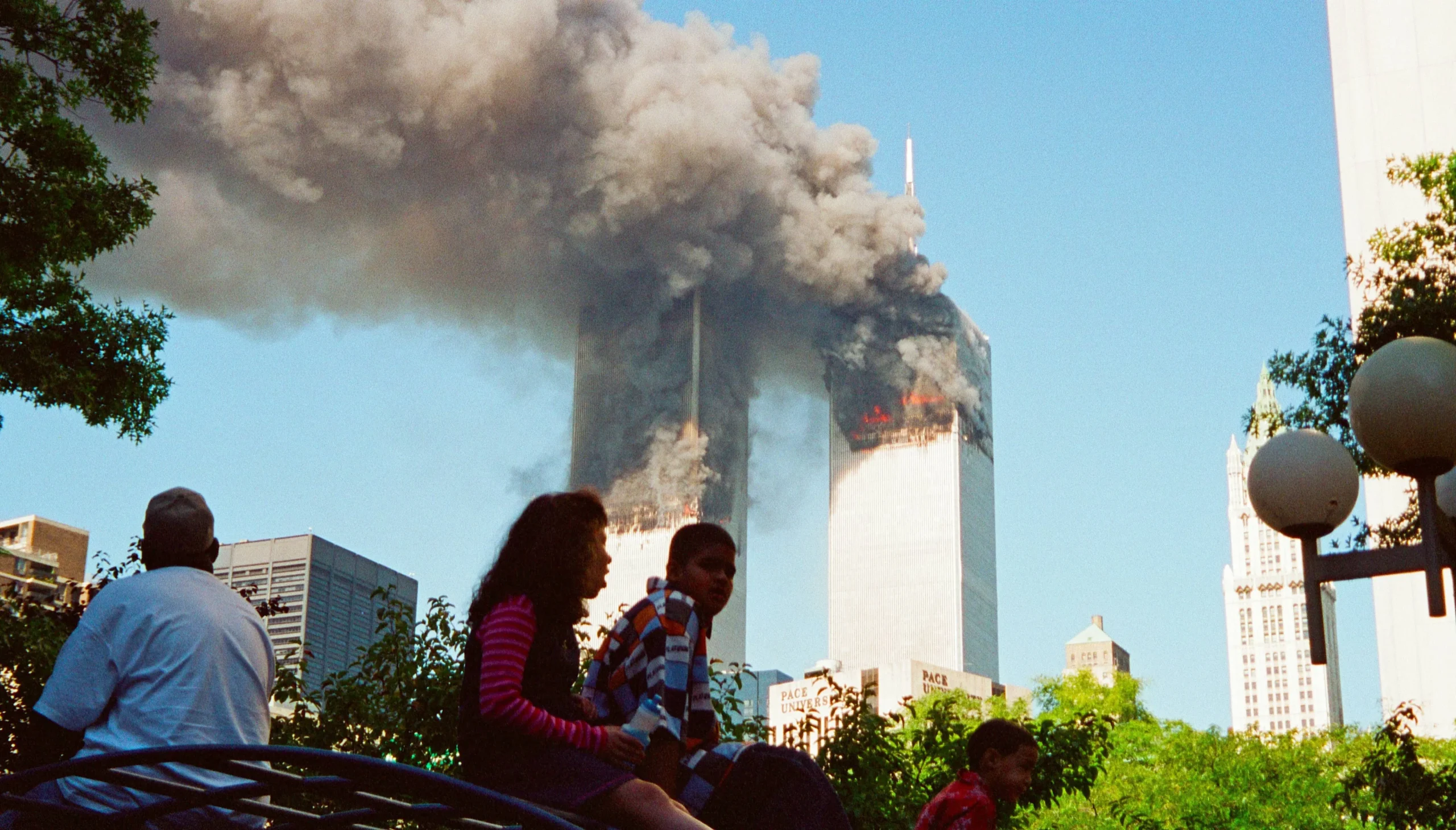
Directed by Brian Knappenberger, the 90‑minute Netflix documentary Turning Point: Generation 9/11 moves beyond the immediate horror of September 11, 2001 to explore how that day reshaped lives, politics, and warfare for a quarter‑century and counting.
Setting the Stage
The film opens with visceral archival footage—phone calls, smoky skylines, and first‑hand testimonies—that thrusts viewers back into the morning of the attacks. Although these images have been replayed countless times, Knappenberger uses them deliberately to re‑anchor the audience in the human cost before steering the narrative toward broader consequences. This approach satisfies the documentary maker’s premise: to understand the wars, policies, and social shifts that followed, one must first confront the raw reality of that day.
Human Impact: Voices from All Corners
Rather than focusing solely on the destruction of the World Trade Center, the documentary assembles a mosaic of perspectives: survivors, families of the fallen, U.S. Marines, journalists, Afghan civilians, and a cohort born after 2001 whose knowledge of 9/11 derives almost entirely from parental stories. This generational angle forms the film’s core, illustrating how the attacks continue to echo in personal trajectories, career choices, and worldviews.
The segment on Afghanistan stands out for its balanced portrayal. American soldiers recount their initial conviction in the mission, while Afghan interviewees offer a contrasting view of the intervention’s evolving reception. By juxtaposing these testimonies, the film transforms the abstract phrase “War on Terror” into a lived experience marked by hope, disillusionment, and enduring complexity.
Global Repercussions: Policy and Power
Moving beyond New York, the documentary traces how post‑9/11 decisions altered America’s international stance. A significant portion examines the Authorization for Use of Military Force (AUMF), the legal scaffolding that enabled prolonged overseas engagements. Knappenberger poses a critical question: how did a temporary, crisis‑driven measure become a permanent fixture shaping decades of military policy?
The film also scrutinizes the expansion of surveillance, homeland security apparatuses, and immigration enforcement. While acknowledging the legitimate need for heightened safety, it challenges whether fear was leveraged to justify overreach—an issue that remains salient in contemporary debates about civil liberties.
Domestic Effects: Fear, Prejudice, and Security
Inside the United States, the documentary highlights the rise of suspicion toward Muslim communities. Personal accounts from individuals who consider themselves wholly American yet are now viewed through a lens of heritage or faith illustrate how terror’s fallout extends beyond direct victims. These narratives underscore the documentary’s claim that fear can reshape societal attitudes and institutional practices far from the battlefield.
The discussion of Homeland Security, increased security protocols, and immigration controls is presented with a noticeable tilt toward skepticism. The film invites viewers to ponder whether the security measures enacted after 9/11 have, at times, eclipsed the very freedoms they aimed to protect.
Generational Perspective: Legacy for Those Who Came After
A recurring motif is the differing perception of 9/11 across age groups. For those who lived through the day, the event is a vivid memory of loss and shock. For the younger generation featured—often referred to as “Generation 9/11”—the attacks are a familial inheritance, influencing career aspirations, military enlistment, and a worldview already colored by heightened security and politicized discourse.
This generational lens validates the film’s title and reinforces its thesis: the legacy of September 11 is not confined to a single moment but is continuously reinterpreted and re‑lived by those who inherit its stories.
Final Verdict
While Turning Point: Generation 9/11 excels at weaving personal narratives with macro‑level analysis, it occasionally leans toward a singular interpretation, particularly in its appraisal of post‑9/11 security policies. A more balanced exploration—such as examining thwarted terror plots alongside civil‑liberties concerns—could have enriched the debate. Nonetheless, the documentary succeeds as a catalyst for reflection rather than a definitive chronicle.
It prompts viewers to reconsider the enduring legacy of that tragic day, asking uncomfortable questions about war, fear, governmental power, and prejudice. For anyone seeking a nuanced, thought‑provoking examination of 9/11’s ripple effects, Knappenberger’s work offers a compelling starting point.