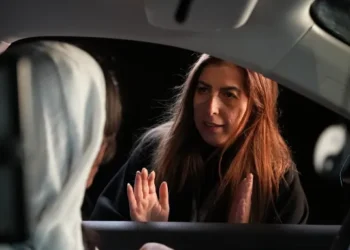


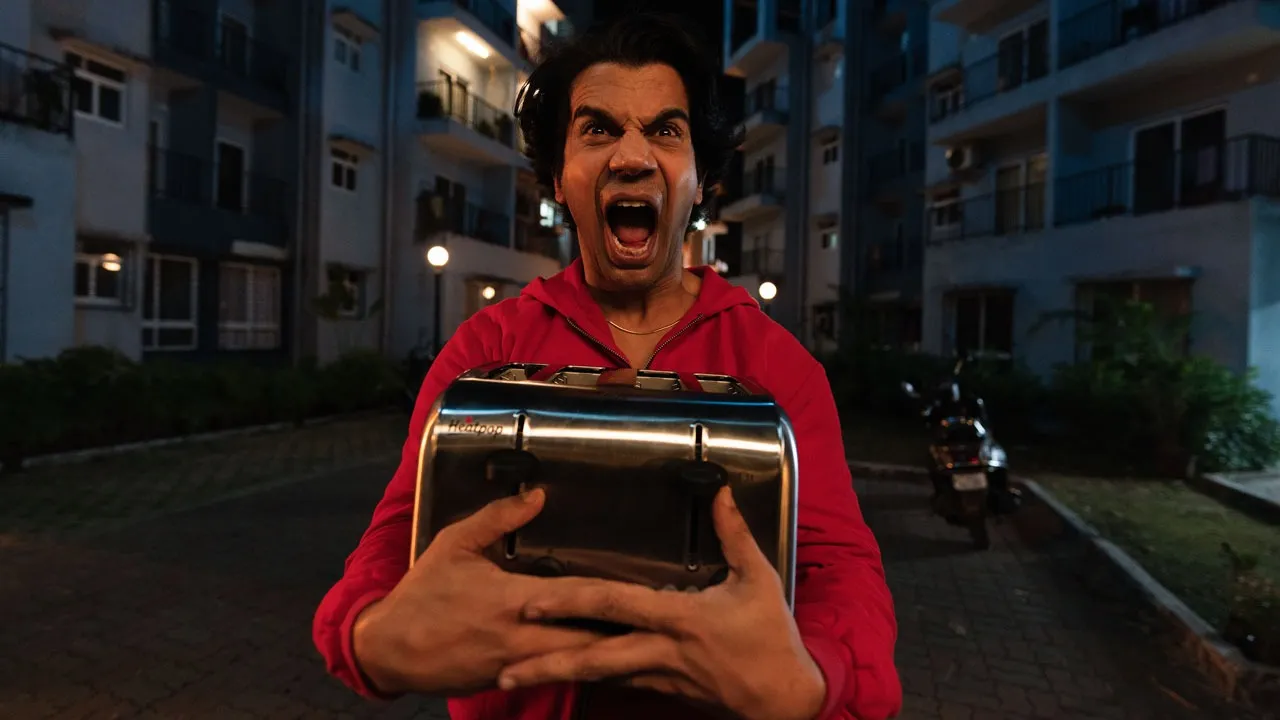
Netflix’s latest offering brings together the talented Rajkummar Rao and Sanya Malhotra for their second collaboration after HIT: The First Case. Directed by Vivek Das Chaudhary, Toaster attempts to blend comedy with thriller elements in a story centered around marital dynamics and material obsession. While the premise sparkles with potential and the trailer generated significant buzz, the execution leaves viewers with mixed feelings. The film premiered on the streaming platform on April 15, positioning itself as a light-hearted yet suspenseful watch for weekend audiences.
Story
The narrative revolves around Ramakant (Rajkummar Rao), a penny-pinching husband married to Shilpa (Sanya Malhotra). When the couple prepares to attend a wedding celebration, a simple gift-giving decision spirals into chaos. Ramakant suggests an economical perfume option, but Shilpa insists on purchasing a premium toaster priced at Rs 4,999. Their marital compromise leads them to gift the expensive appliance, only to discover that the wedding has been abruptly cancelled within twenty-four hours.
This unexpected turn triggers the film’s central conflict—Ramakant’s increasingly desperate and obsessive mission to retrieve their costly present. What begins as a reasonable request evolves into an absurd quest that pushes the protagonist toward morally ambiguous decisions. The storyline initially captivates with its relatable domestic squabbles and the universal appeal of frugality gone wrong, establishing a brisk pace that promises escalating hilarity and tension.
Performances
Rajkummar Rao anchors the production with his characteristic charm and versatility. His depiction of Ramakant strikes a delicate balance between miserliness and endearing vulnerability, creating a protagonist who simultaneously frustrates and entertains. The actor’s natural comic timing transforms potentially mundane moments into genuine laugh-out-loud sequences, proving once again why he remains one of Hindi cinema’s most reliable performers.
Sanya Malhotra portrays Shilpa with competence, though the screenplay offers her limited room to shine. Her character occasionally feels like an afterthought rather than an equal partner in the narrative, despite the actress’s proven ability to handle complex emotional material. The chemistry between the leads remains adequate but never quite reaches the sparkling dynamic suggested by the premise.
Archana Puran Singh emerges as an unexpected highlight, bringing gravitas and intrigue to her supporting role. Her presence elevates the scenes she occupies, though the writing eventually betrays her character with underdeveloped motivations and repetitive beats.
Behind the Lens
Vivek Das Chaudhary demonstrates command over the technical aspects of comedy direction. The dialogue writing deserves particular praise for its sharp wit and organic humor that avoids forced gimmicks. Punchlines land with precision, and the conversational exchanges between characters feel authentically rooted in middle-class Indian sensibilities.
The cinematography and editing collaborate effectively during the first half, maintaining momentum through quick cuts and efficient scene transitions. However, the narrative structure falters significantly in the latter half. The screenplay begins circling repetitive scenarios without advancing toward a satisfying resolution. Logic takes a backseat as the plot mechanics become increasingly contrived, particularly during the chaotic climax that undermines the careful setup established earlier.
Several cameo appearances inject brief bursts of energy, but these moments prove insufficient to compensate for the dragging second half and the screenplay’s resistance to meaningful character development.
Final Verdict
Toaster represents a classic case of promising premise meeting mediocre execution. The film possesses all necessary ingredients for an engaging comedy thriller—talented leads, clever dialogue, and a relatable central conflict. However, it squanders these advantages through uneven pacing and narrative choices that prioritize randomness over coherence.
While Rajkummar Rao’s committed performance makes the viewing experience intermittently enjoyable, the film ultimately serves as a reminder that strong acting cannot fully compensate for weak writing. For audiences seeking mild entertainment with occasional laughs, this Netflix release might suffice as background viewing. Discerning viewers hoping for the next great Indian comedy thriller, however, will likely find themselves disappointed by the lukewarm final product.