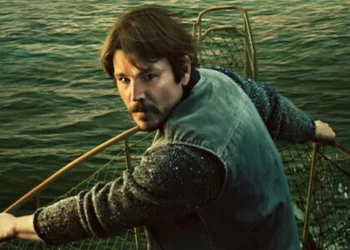


Netflix’s latest thriller, The Whisper Man, arrives as a familiar‑yet‑polished entry in the serial‑killer sub‑genre. While it never reaches the mythic heights of The Silence of the Lambs or the relentless dread of Zodiac, the film compensates with a moody visual style, a tight procedural core, and performances that lift the material above its formulaic roots. Directed by James Ashcroft and adapted from Alex North’s novel, the film finds a comfortable home on the streaming platform, offering viewers a competent, occasionally haunting, watch‑worthy experience.
Synopsis
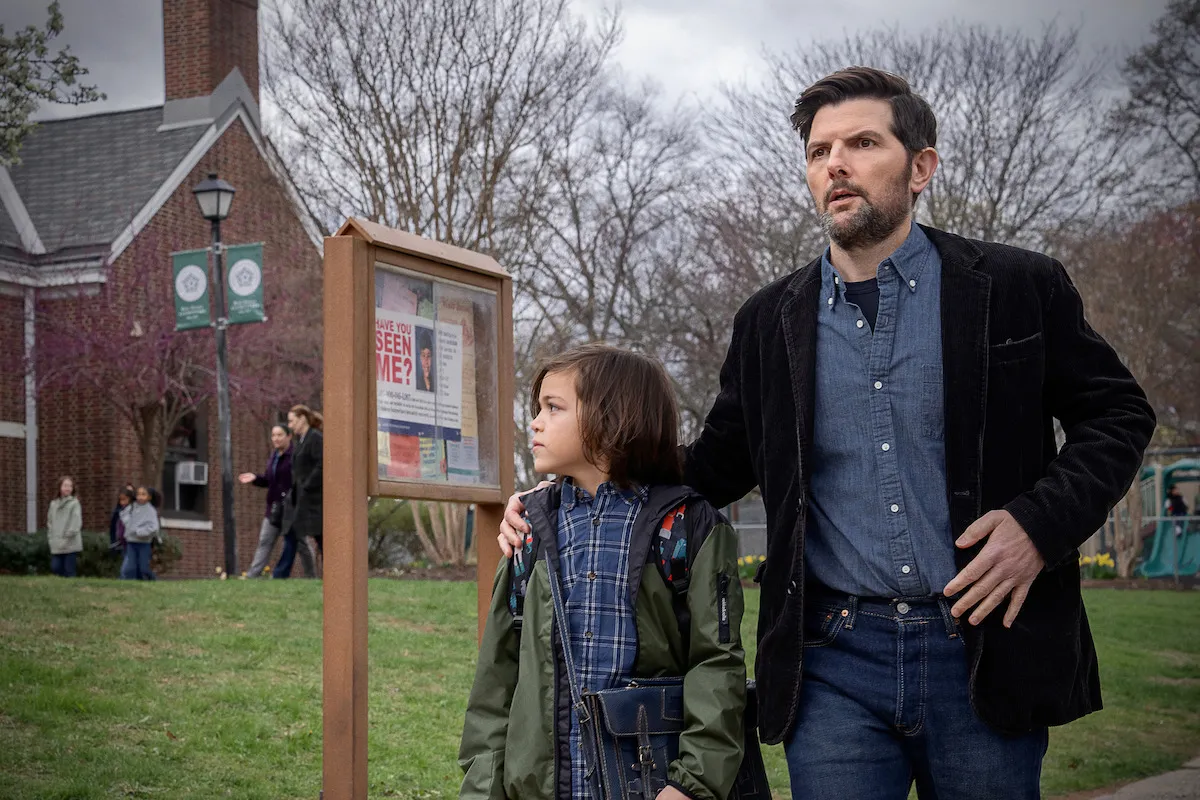
Tom Kennedy (Adam Scott), a widowed crime novelist struggling with writer’s block, relocates with his young son Jake to the quiet town of Garrenton—the place where he and his late wife grew up. Seeking a fresh start, the pair soon discover that Garrenton hides a dark undercurrent: a series of child murders that echo an old case Tom’s father, retired detective Pete (Robert De Niro), once investigated. As Jake vanishes and unsettling clues appear—like a blue‑gloved hand slipping through the mail slot—Tom is forced to confront the past while navigating a web of suspicious locals, a zealous detective (Michelle Monaghan), and the looming possibility that the Whisper Man has returned.
Performances
Adam Scott delivers a restrained, emotionally resonant turn as the grieving father‑novelist, balancing vulnerability with a growing determination that drives the narrative forward. Robert De Niro, though limited in screen time, brings gravitas to Pete, his weary detective persona adding a layer of legacy and moral weight to the father‑son dynamic. Michelle Monaghan shines as Detective Beck, portraying a tenacious investigator whose professional resolve contrasts nicely with Tom’s personal desperation. The supporting cast effectively populates the town with shades of suspicion, while the actor chosen to portray the Whisper Man proves an inspired, unsettling presence that lingers long after the credits roll.
Behind the Lens
James Ashcroft, whose prior work includes the Australian thriller Coming Home in the Dark, approaches the material with a keen eye for atmosphere. Cinematographer Peter Deming—renowned for collaborations with David Lynch, Sam Raimi, and Wes Craven, notably on Mulholland Drive—crafts a visual language steeped in shadow, negative space, and isolating compositions. The result is a persistent sense of unease that seeps into every frame, making the town itself feel like a character. Deming’s use of ominous lighting and restrained camera movement amplifies the film’s dread without relying on gratuitous gore, allowing the story’s procedural heartbeat to pulse steadily beneath the surface.
Final Verdict
The Whisper Man succeeds where many genre efforts falter: it understands how to sustain tension through gradual escalation rather than shock‑value bursts. The screenplay plants red herrings that keep the audience guessing, yet never feels contrived. While a few logical gaps—such as how the town seems to anticipate Tom’s return—remain unaddressed, the immersive mood and strong performances render those lapses easy to overlook. The film’s climax delivers an unexpected, almost spiritual note that differentiates it from standard thrillers, offering a reflective coda that feels both rare and memorable.
For viewers seeking a well‑acted, atmospherically rich Netflix original that honors the thriller tradition while carving out its own modest niche, The Whisper Man is worth the watch.
Also Read:
A Haunting Mystery Unfolds: First Look at Netflix’s “The Whisper Man”